 Chris Robert
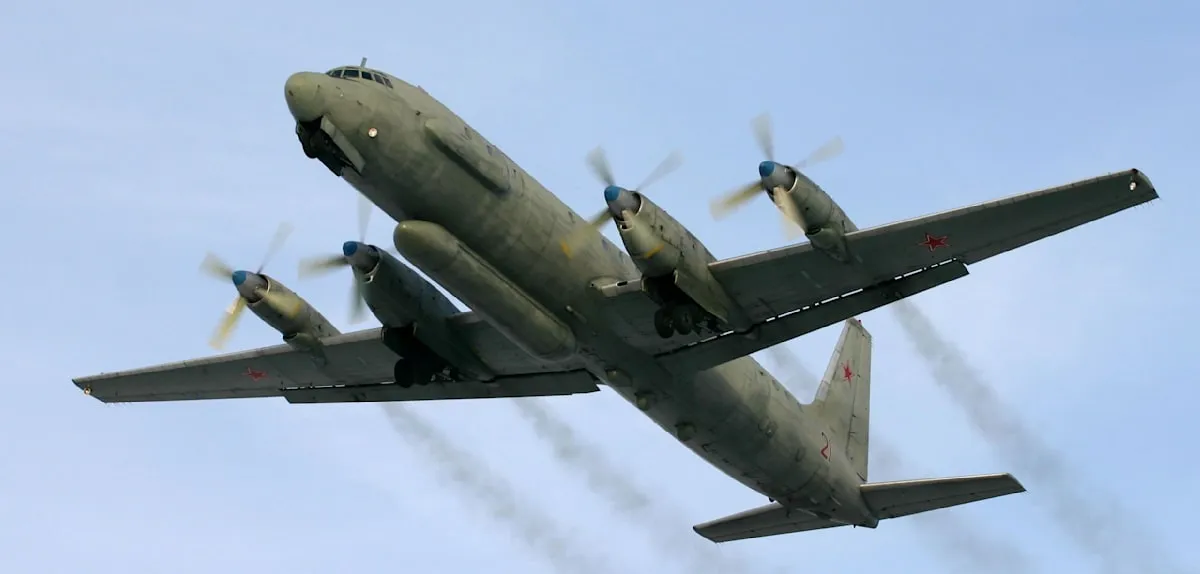
WARSAW – Polish fighter jets recently intercepted a Russian reconnaissance aircraft over the Baltic Sea, marking the fourth such incident in a short period in 2026. This event has fueled increased geopolitical tensions in the Eastern European region, even though the Russian aircraft reportedly did not enter Polish sovereign airspace.
The Polish Ministry of Defense confirmed the interception operation, stating that their jets were scrambled to identify and escort the foreign aircraft operating near Poland's air borders. The incident occurred in international airspace, but its proximity to an area considered strategically vital by NATO member states is significant.
This interception is not an isolated event. Data indicates that in recent months of 2026, there have been a series of similar incidents involving Russian military aircraft and NATO fighter jets in the Baltic region. This suggests a pattern of increased military activity by Russia on its western flank, which is consistently monitored closely by the Western defense alliance.
A spokesperson for the Polish Ministry of Defense stated, 'We take precautionary measures in accordance with standard NATO procedures to ensure the integrity and security of our airspace. This type of activity, even in international airspace, requires a firm response to demonstrate our readiness.'
The event comes amid growing security uncertainties in Europe. The ongoing conflict in Ukraine continues to have a broad impact on the regional security architecture, prompting countries like Poland to strengthen their defense and vigilance.
NATO, as a collective defense alliance, consistently asserts its member states' right to protect their airspace. The Baltic Air Policing mission serves as a clear example of this commitment, involving the rotation of fighter jets from various member countries to patrol the Baltic skies.
Although the Russian reconnaissance aircraft did not cross the border, aggressive flight patterns are often considered provocative actions. Their objectives can vary, ranging from intelligence gathering to testing the response time and air defense capabilities of adversaries.
The involvement of fighter jets in this incident illustrates the complex dynamics of relations between Russia and NATO. On one hand, there is an effort to avoid direct escalation; on the other hand, neither side is willing to show weakness or ignore potential threats.
In a broader context, European nations are currently re-evaluating their defense policies. Some European countries still feel the impact of political issues involving Russia, such as the energy threats once issued by the Kremlin, or the debate over military aid for Ukraine among European political parties, as reflected in the article on the Unexpected Coalition: BSW and AfD Threaten to Halt Military Aid to Ukraine.
Incidents like this also serve as a reminder of the importance of open communication and diplomatic channels, even amidst military tensions. Without these mechanisms, the risk of miscalculation or unintended escalation would significantly increase.
Editorial Insight:
The interception of a Russian aircraft by Polish fighter jets over the Baltic Sea reflects the increasingly sensitive geopolitical conditions of 2026. The pattern of increased Russian military activity on NATO borders demands high vigilance and solid coordination from the Western alliance. Although these actions occur in international airspace, their frequency and intensity can be interpreted as Russia's attempt to test defenses and assert regional dominance, thus requiring careful diplomatic responses alongside unwavering military readiness. Moving forward, pressure in the Baltic Sea will likely continue, necessitating adaptive defense strategies and diplomacy from all interested parties.