 Gabriella
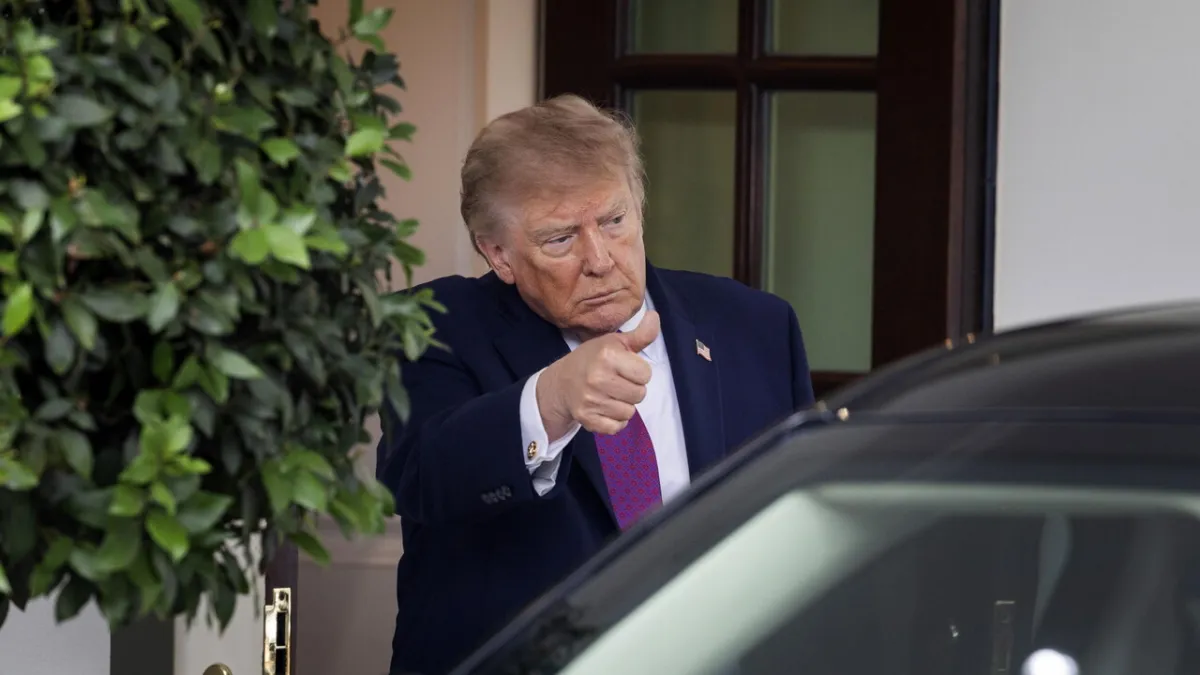
WASHINGTON – US President Donald Trump has unequivocally rejected Iran's offer to cease hostilities, a move many fear will trigger a new wave of attacks following the US Midterm Elections. This controversial decision, as reported by the Wall Street Journal, marks a significant setback in efforts to de-escalate tensions in the Middle East and could drastically alter regional security dynamics.
The rejection of a plan to cease hostilities, initially perceived as a potential diplomatic opening, signals a hardened stance from the White House. The Trump administration appears committed to maintaining maximum pressure on Tehran rather than pursuing a softer path of dialogue.
This action aligns with President Trump's long-standing foreign policy towards Iran, often characterized by severe economic sanctions and strong rhetoric. He has consistently expressed distrust in the Iranian regime and demanded substantial changes in its regional behavior.
The timing of this rejection, immediately after the US Midterm Elections, suggests that President Trump may feel a renewed mandate or at least unburdened by short-term domestic political considerations. This could be a strategic moment to reassert his dominance in foreign policy.
The implications for regional stability are deeply concerning. Tensions in the Persian Gulf are expected to escalate, with renewed threats to shipping and oil infrastructure. Proxy conflicts in Yemen, Syria, and Iraq also risk intensifying, exacerbating humanitarian crises in the region.
The specific details of Iran's rejected proposal remain unclear. However, observers speculate that the offer might have included pledges of restraint from certain regional actions or reopening communication channels, an attempt to de-escalate recent hostilities.
International reactions are projected to be mixed. European allies, such as France and Germany, are likely to express disappointment and call for de-escalation, given their preference for diplomatic solutions. Meanwhile, certain Gulf states might welcome Trump's decision, viewing it as an effort to curb Iranian influence.
Global economic impacts are also noteworthy. World oil prices could experience sharp fluctuations due to supply uncertainties from the Middle East. Investors are likely to seek safer assets, potentially affecting global financial markets and slowing economic recovery in various countries.
Political and security analysts suggest that this rejection could be a prelude to increased military pressure or even heavier sanctions against Iran. This decision confirms that Washington is not yet ready for compromise, stated a geopolitical expert who preferred to remain anonymous.
US-Iran relations have significantly deteriorated since the Trump administration withdrew from the Joint Comprehensive Plan of Action (JCPOA) nuclear deal. The rejection of this peace offer widens the chasm between the two nations, leaving little hope for reconciliation in the near future.
Editorial Insight: President Trump's decision to reject Iran's offer underscores a consistent confrontational approach by the US. While aiming to pressure Iran, this move risks provoking unpredictable responses and worsening instability in an already volatile region. The international community now watches with apprehension, wondering if this will be a catalyst for wider conflict or if there remains room for behind-the-scenes diplomacy to prevent further escalation.