 Angela Stefani
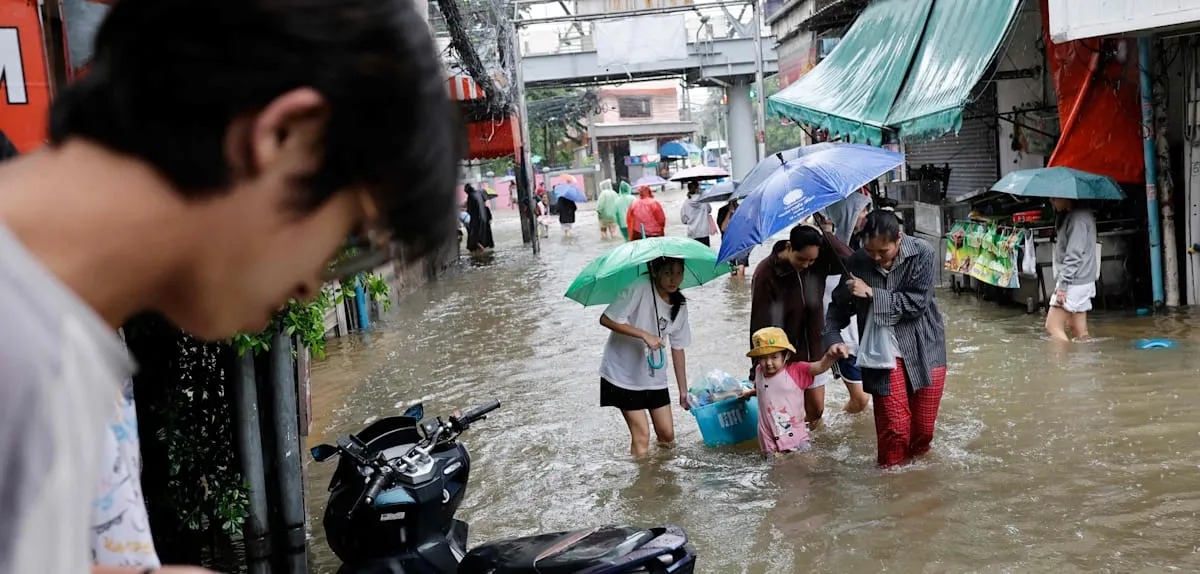
BANGKOK – Thailand's capital, Bangkok, is currently facing an emergency disaster situation. After days of incessant rain, large parts of the city are submerged in floodwaters reaching hip-level. The city government has officially declared a state of emergency, following reports of food scarcity in several isolated districts.
This critical situation stems from extreme, continuous rainfall since the beginning of the week. The city's drainage system, despite recent upgrades, has proven unable to cope with the extraordinary volume of water, leading to significant overflows on main roads and in residential areas.
Many vital thoroughfares have transformed into rivers, paralyzing transportation and economic activities. Two-wheeled and four-wheeled vehicles have been forced to cease operations, making it difficult for millions of urban residents to carry out daily activities and access basic necessities.
Bangkok Metropolitan Administration (BMA) has responded swiftly by activating an emergency command center. All available resources are being mobilized to assist with citizen evacuations, distribute aid, and monitor critical infrastructure conditions.
Initial reports indicate that several traditional markets and mini-malls in severely affected areas are beginning to experience supply shortages. Shelves for staple foods such as rice, instant noodles, and bottled water appear empty, raising concerns about the livelihoods of trapped residents.
Bangkok Governor Chadchart Sittipunt, in a press conference, urged residents to remain calm and obey evacuation instructions. He stated, Our top priority right now is saving lives and ensuring logistics supplies reach every citizen in need.
The declaration of a state of emergency allows the central government to provide additional assistance, both personnel and budget, to expedite disaster response. This represents a serious response to a threat that not only disrupts daily life but also has the potential to cause significant economic losses.
Bangkok's history is indeed familiar with seasonal floods, especially during the rainy season. However, the intensity and duration of the current rainfall are reported to exceed historical averages, raising questions about the effectiveness of the city's long-term mitigation and climate adaptation efforts.
Meteorological experts warn that extreme weather patterns are likely to continue, with the potential for additional heavy rainfall in the coming days. This situation worsens the recovery outlook and demands higher preparedness from all segments of society and the government.
Critical infrastructure such as hospitals and other public service centers also face serious challenges in maintaining operations. Some health facilities have reportedly activated emergency plans to anticipate an increase in patients due to water-borne diseases or other potential incidents.
Collective efforts from various agencies, volunteers, and civilians are now visible at different points. Inflatable boats and traditional motorboats are being used to evacuate the elderly, children, and vulnerable residents from isolated areas, demonstrating a strong spirit of mutual cooperation amid the disaster.
The government is also considering opening more emergency shelters equipped with health facilities and public kitchens. Current data on the number of displaced persons has not yet been released, but it is estimated to be in the thousands.
The emerging food crisis demands a rapid response from the national supply chain. The logistics of aid distribution are crucial, given limited land access in many areas. Helicopters and boats are becoming the only effective distribution channels in certain regions.
Public communication is paramount. The government continues to broadcast updated information through various channels, including social media and television broadcasts, to ensure citizens receive clear and accurate guidance regarding the situation and the steps to take.
Despite facing significant challenges, Governor Chadchart underscored the government's commitment to ensuring a swift and comprehensive recovery. We learn from every disaster. This is a test of our city's resilience, he concluded.
Editorial Insight: The floods in Bangkok are not merely ordinary natural disasters; they are a reflection of the complex urban challenges of the 21st century. This constantly evolving megalopolis faces a dilemma between rapid development and environmental sustainability, exacerbated by the impacts of climate change. This incident highlights the urgent need for sustained investment in green infrastructure and more advanced early warning systems, as well as adaptive spatial planning policies. Without a holistic approach, Bangkok may continue to be trapped in an intensifying cycle of hydrometeorological disasters.