 Chandra Wijayanto
ZÜRICH — The World Cup 2026, intended to be the pinnacle of global football celebration, is instead marked by a series of disturbing issues often referred to as ‘thorns’ within its grandeur. From controversial policies rolled out by FIFA’s top brass to the presence of political figures frequently under the spotlight, various external and internal elements create a divergent narrative amidst the stadium roar.
This lead initiates an exploration into seven major factors tarnishing the positive image of this quadrennial tournament. These issues encompass interventions from sports executives, disappointing national team performances, and unexpected moments emanating from the worlds of entertainment and politics.
Gianni Infantino, FIFA President, once again finds himself at the center of several fierce debates. His decisions, often perceived as more commercially driven and focused on tournament format expansion, frequently draw criticism from football purists concerned about the erosion of the sport’s essence. Priorities seemingly disregarding tradition and game integrity remain a constant point of contention.
Beyond football’s internal sphere, the presence of global political figures like Donald Trump at a World Cup event also triggers various comments. Though not an official tournament dignitary, his public appearances and political statements potentially divert media attention from the matches themselves, injecting non-sporting narratives into this grand spectacle.
On the pitch, the German national team stands as one of the negative highlights. Die Mannschaft’s underperforming display, even with a theoretically promising squad, brought profound disappointment to fans. The uncertainty surrounding the future of German football, as highlighted in our article on DFB Chasing Klopp in New York, appears to still linger. Debates over coaching strategies and leadership are hot topics among observers.
Match interruptions due to ‘hydration breaks’, particularly in tournament zones with extreme hot climates, have also drawn criticism. While intended to protect player health, the frequency of these breaks is seen as disrupting the momentum and dynamic flow of the game. Fans feel the rhythm of the match is broken, diminishing the intensity and appeal of the spectacle.
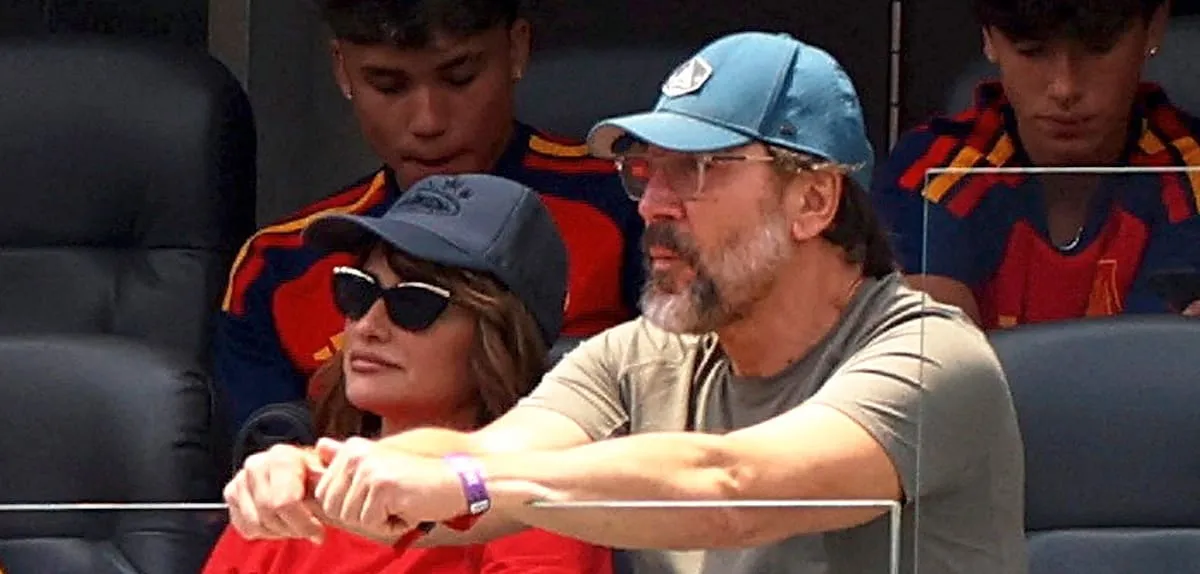
The presence of high-profile celebrities such as actress Penélope Cruz, for reasons deemed distracting by some, adds to the list of these so-called ‘thorns’. Whether perceived as overly commercial, or her presence simply deemed irrelevant to the game’s core, this phenomenon illustrates how easily public focus can be diverted from the sport’s essence.
The VAR technology, meant to minimize controversy, paradoxically became a source of intense debate at World Cup 2026. Slow decisions, inconsistencies, and subjective referee interpretations further increased frustration. Incidents like Mbappe’s delayed penalty drama, once again revealed the urgency for a comprehensive evaluation of its implementation.
Another equally bothersome aspect is excessive commercialization and fan exploitation. Sky-high ticket prices, expensive official merchandise, and a sterile fan zone experience reduce accessibility for the average supporter. This creates an impression that the World Cup is more a money-making machine than a sporting festival for all.
All these ‘thorns’, whether stemming from management, politics, team performance, game dynamics, or commercial aspects, collectively test the patience and enthusiasm of football lovers. Organizers also face security and spectator comfort challenges, reminiscent of concerns that arose prior to the World Cup in Paris.
Nevertheless, the spirit of competition and fan passion remain the tournament’s heartbeat. The challenge for FIFA and the organizers is how to balance the global spectacle while preserving the purity and enduring appeal of football itself, so these ‘thorns’ do not overshadow the overall World Cup brilliance.
Ultimately, World Cup 2026 will be remembered not only for its beautiful goals or on-field drama but also for a series of issues that subtly yet surely eroded the idealism of the world's biggest sports festival.