 Robert Andrison
BERLIN — Germany is preparing for its third heatwave of summer 2026, following an official warning from the Deutscher Wetterdienst (DWD) regarding potential extreme temperature increases set to hit the southwestern region this weekend. This phenomenon marks a continuing pattern of unusual weather, after two previous heatwaves occurred in late May and late June, triggering serious concerns about their impact on public health and the environment.
The German national meteorological agency specifically announced, \"After an unusually early heatwave in late May and an extreme heatwave in late June, the southwest is now facing the third heatwave of this summer.\" DWD projections indicate that temperatures will exceed normal limits, creating potentially dangerous conditions.
The first heatwave in late May 2026 surprised many due to its premature appearance, while the second heatwave in late June brought record-breaking temperatures in several cities, causing significant disruption to daily activities and increasing hospital loads. Both incidents served as clear indicators of the escalating extreme weather phenomena across Europe.
Germany's southwestern region, encompassing large parts of the states of Baden-Württemberg and Rhineland-Palatinate, is predicted to be the epicenter of the most severe impact from the upcoming heatwave. The geographical characteristics of this area, dominated by valleys and densely populated urban areas, make it more susceptible to the \"urban heat island\" effect, which traps high temperatures.
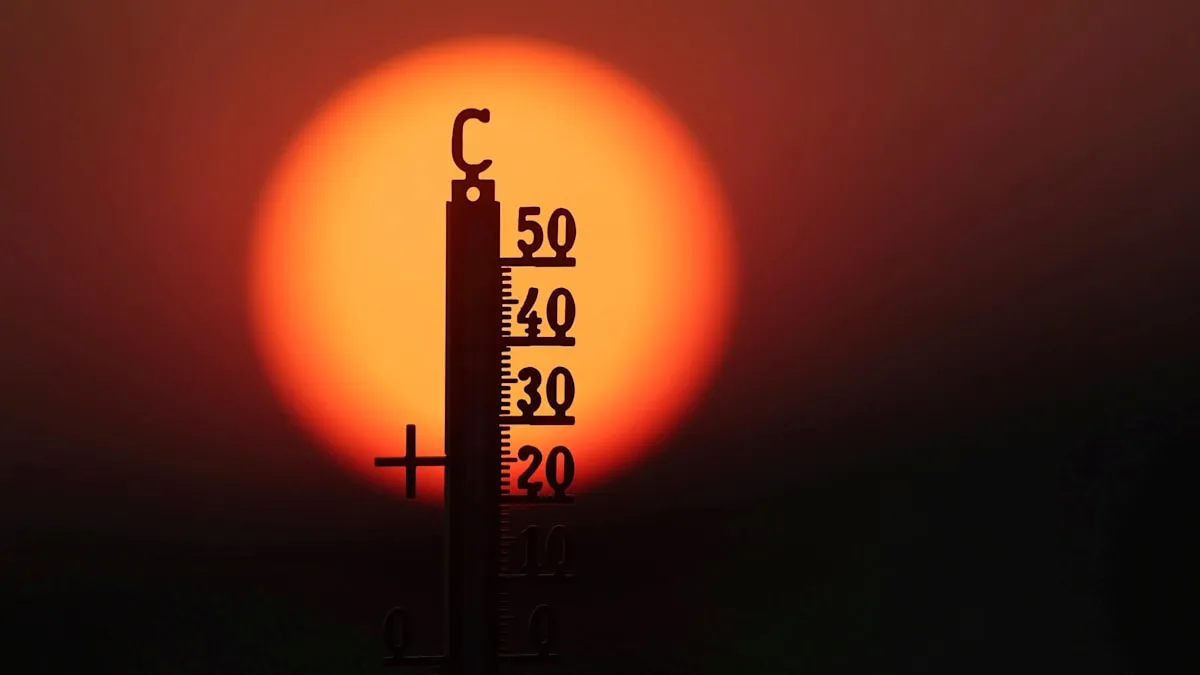
DWD forecasts that peak temperatures in some locations could reach above 35 degrees Celsius, even approaching 40 degrees Celsius at certain points. These conditions demand high vigilance from all segments of society to avoid serious health risks.
Public health experts from the German Ministry of Health remind citizens to take preventive measures. \"Dehydration, heatstroke, and heat exhaustion are real threats, especially for children, the elderly, and individuals with chronic medical conditions,\" stated a ministry spokesperson, emphasizing the importance of hydration and avoiding strenuous activities under direct sunlight.
The environmental impact of the heatwave is equally concerning. Prolonged drought can trigger a higher risk of wildfires, threatening ecosystems and settlements. Europe has witnessed several tragic wildfires in recent years, such as those that devastated Andalusia with tragic consequences. Devastating Wildfires Claim 11 Lives in Andalusia. This condition reinforces the urgency of climate mitigation and adaptation.
Local authorities, in cooperation with the federal government, have activated emergency protocols. Regional governments are preparing cooling centers and distributing information on effective ways to cope with extreme temperatures. Bans on lighting fires in forest areas and parks are also being enforced to minimize the risk of wildfires.
The public is urged to actively participate in protecting themselves and those around them. Monitoring the health of vulnerable neighbors, reducing vehicle use, and conserving water are some measures that can be taken to address this situation. Collective awareness is key.
Professor Dr. Klaus Richter, a leading climatologist from the University of Potsdam, expressed his concern. \"The increased frequency and intensity of heatwaves in Germany and across Europe in summer 2026 is a clear manifestation of global climate change. This is no longer an anomaly, but a trend requiring a coordinated long-term response,\" explained Richter.
Global heatwave phenomena have also triggered various social dynamics. Some reports indicate that extreme temperatures in 2026 have contributed to increased tensions in public spaces, including recreational facilities such as European swimming pools, which sometimes resulted in disturbed order. Heatwave Sparks Violence at European Swimming Pools. Hot conditions induce irritability and can affect social behavior.
The German government is committed to strengthening infrastructure and adaptation strategies to climate change. Long-term programs are being designed to protect cities from urban heat island effects and ensure adequate water supplies during drought periods. This is a crucial investment for a more resilient future.
This third heatwave is not just a momentary challenge but a call for reflection and collective action against the climate crisis. Individual preparedness and robust institutional responses will determine how Germany and Europe can face increasingly complex climate challenges in the future.