 Edward DP Situmorang
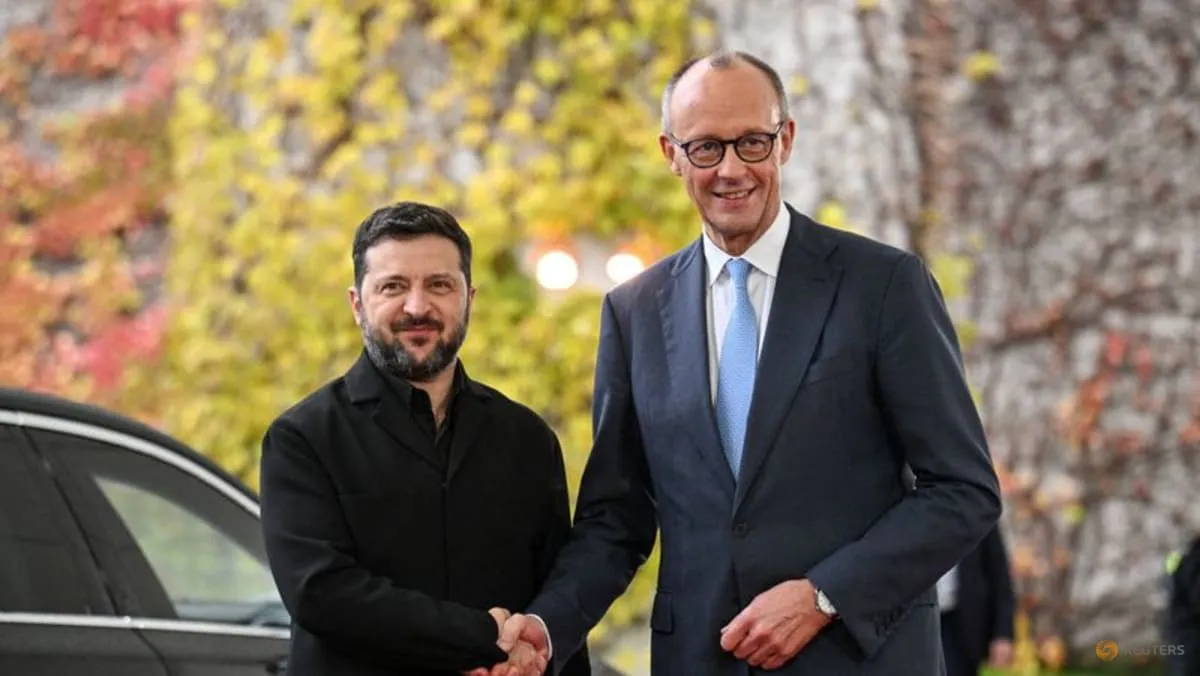
BERLIN – Leaders of Ukraine's allied nations have convened in Berlin for a crucial emergency meeting, seeking to consolidate vital support following high-profile dialogues involving US President Donald Trump, Russian President Vladimir Putin, and Chinese President Xi Jinping. The summit in the German capital aims to yield concrete decisions, responding to the increasingly complex global geopolitical dynamics of 2026.
Ukrainian President Volodymyr Zelenskyy, speaking virtually, underscored the urgency of the agenda. 'It is important that today's Coalition of the Willing meeting and bilateral meetings with leaders deliver results,' Zelenskyy stated, highlighting Kyiv's high expectations for sustained commitment from its supporters.
The Berlin meeting is more than just a diplomatic routine; it serves as a barometer of the Western alliance's solidarity in the face of mounting pressure. The city stands as a symbol of resilience and a strategic point for discussions concerning military aid, financial assistance, and political steps to end the protracted conflict.
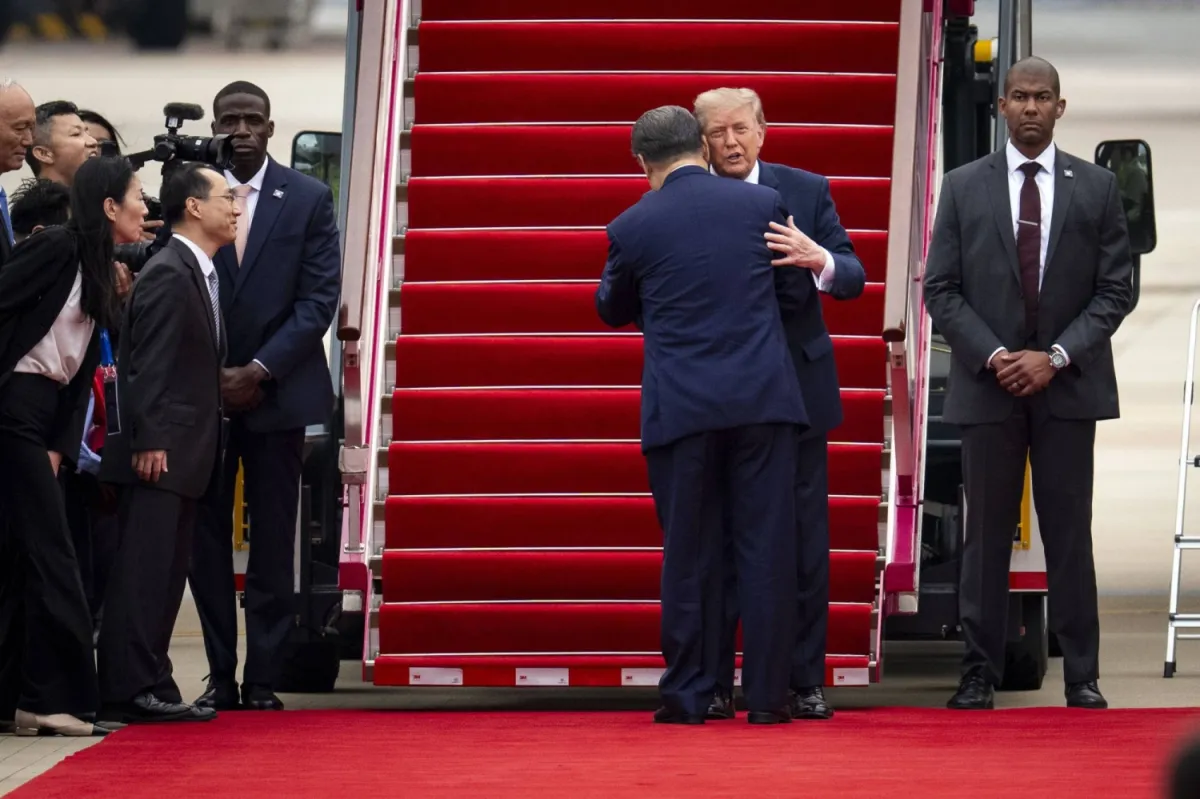
The backdrop to this meeting is complicated by the talks between the three major global powers: Presidents Trump, Putin, and Xi. Details of their discussions have not been fully disclosed, but they are understood to have fueled speculation about potential shifts in the global order and implications for collective support to Ukraine.
Delegates from various nations comprising the Coalition of the Willing are focused on devising new strategies to accelerate the delivery of advanced weaponry, enhance Ukraine's air defense capabilities, and ensure the continued flow of humanitarian aid. They are also evaluating the effectiveness of sanctions imposed on Russia.
Kyiv faces a dual challenge: on one hand, maintaining the front lines against ongoing aggression; on the other, managing public expectations and convincing allies that investment in Ukraine's security is an investment in overall European stability. Ukraine's military and economic resources continue to be drained by the conflict.
Despite narratives seeking to divide the alliance, participants in Berlin are expected to unanimously reaffirm their commitments. Senior diplomats from the European Union emphasized the necessity of a strong message of unity to dispel doubts and demonstrate that the West will not waver in its principles.
The implications of this meeting extend beyond Ukraine's borders. It will shape the geopolitical trajectory of 2026, particularly in determining the extent to which Western powers can maintain their influence amidst the emergence of alternative power blocs or attempts to reconfigure global alliances.
Global security experts argue that this meeting must also foster innovation in aid. Not just quantity, but also the quality and speed of supply are key. New defense technologies and tailored training are critically needed to counter modern warfare tactics.
Discussions in Berlin also encompass a long-term vision for Ukraine, including post-conflict reconstruction plans and the country's integration into European security structures. This requires massive financial commitment and careful coordination from all international donors.
Thus, the Berlin summit represents a crucial moment to gauge the resolve and readiness of Ukraine's allies in navigating a rapidly changing global landscape. The outcomes of this meeting will serve as a significant indicator for the future of the conflict and regional and global stability.
Editorial Insight: The Berlin meeting highlights the profound dilemma confronting the coalition supporting Ukraine. While the Trump-Putin-Xi dialogue might signal an attempt to forge a new order potentially challenging Western hegemony, the response from Ukraine's allies demonstrates a determination to maintain the status quo, at least in the context of Eastern Europe. Kyiv's reliance on external assistance makes the summit's outcome highly vital, determining whether the narrative of unwavering support will continue or face new limitations amid broader calculations of global interests.