 Angel Doris
HAMBURG – The North German region, led by the states of Hamburg and Schleswig-Holstein, is rigorously pushing for the establishment of an independent electricity price zone. This move comes as the region feels it does not optimally benefit from its continuously increasing wind energy production capacity, which should ideally lead to more affordable electricity prices for consumers.
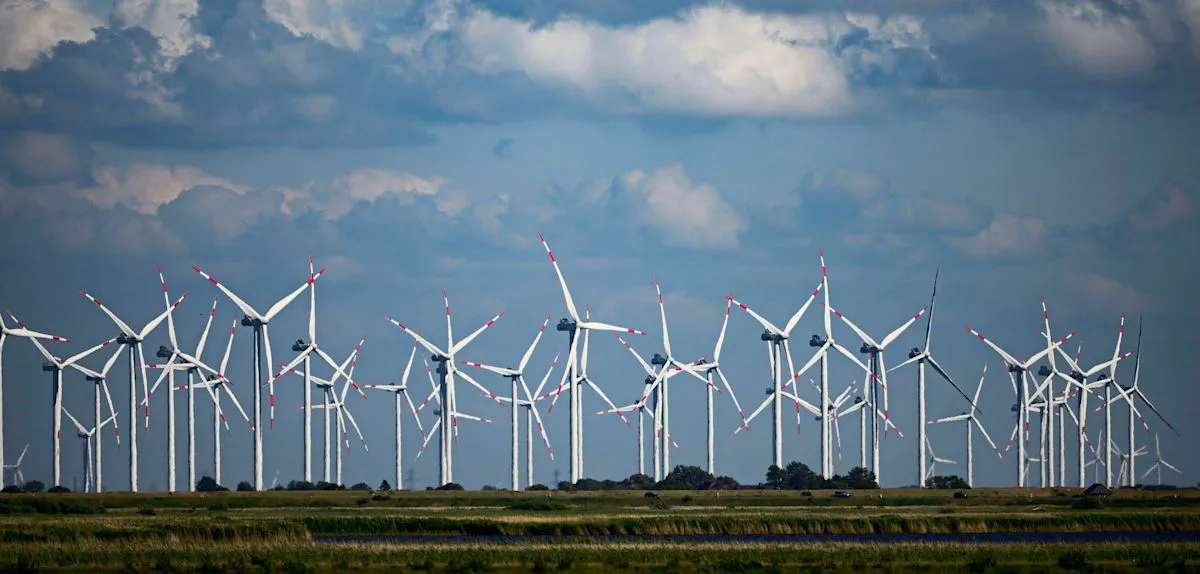
Both states argue that the current national electricity pricing system does not reflect the reality of local renewable energy production. Although the northern region serves as the backbone of Germany's green energy revolution through its giant wind turbine farms, electricity prices for residents and industries there are not cheaper, and often even higher, compared to southern regions with less wind energy production.
This disparity fuels deep frustration among local governments and citizens. The energy generated with significant investment in the north often has to be transmitted over long distances to the south, incurring infrastructure costs and transmission losses that are ultimately passed on to all consumers, including those near the production source.
The Hamburg government, through its official statement, emphatically highlighted this structural injustice. They assert that it is time for the extraordinary contribution of North Germany to the national energy transition to be recognized, which should materialize in direct economic benefits for local residents.
Similarly, representatives from Schleswig-Holstein underscored the urgency of addressing bottlenecks and limitations in electricity transmission infrastructure. They stressed that without significant improvements in the energy transport network, the full potential of abundant wind energy would never be realized, and consumers would continue to pay unwarranted prices.
This demand is part of a broader effort to secure a competitive advantage for the northern region. With lower electricity prices, Hamburg and Schleswig-Holstein hope to attract industrial investment and enhance their economic competitiveness at both national and European levels.
The creation of a separate price zone is believed to create stronger incentives for the development of renewable energy projects. Investors would see clearer returns if the energy they produce could be sold at more competitive prices in the local market, without being burdened by unnecessary long-distance transmission costs.
This proposal has ignited a crucial discussion about the future of Germany's overall energy policy. The federal government now faces a dilemma: how to balance regional interests with efforts to maintain the unity of the national energy market and ensure stable supply across the country.
Energy experts weigh potential positive impacts, such as improved market efficiency and reduced local carbon emissions, against the risks of market fragmentation or increased costs for other regions if current cross-subsidies are eliminated.
In the context of the global energy transition, North Germany's success in establishing an independent electricity price zone could set an important precedent. Many countries with distributed renewable energy resources may face similar challenges, and this proposed German model could become a valuable case study in 2026.
Editorial Insight:
North Germany's demand for an independent electricity price zone reflects an escalating tension between renewable energy ambitions and market realities. While regionally logical to reap the benefits of green investments, this move could test the cohesion of Germany's national energy market. The federal government needs to find innovative solutions that not only support producers and consumers in the north but also maintain stability and fairness of energy supply across the country, avoiding counterproductive fragmentation on the path to carbon neutrality.