 Robert Andrison
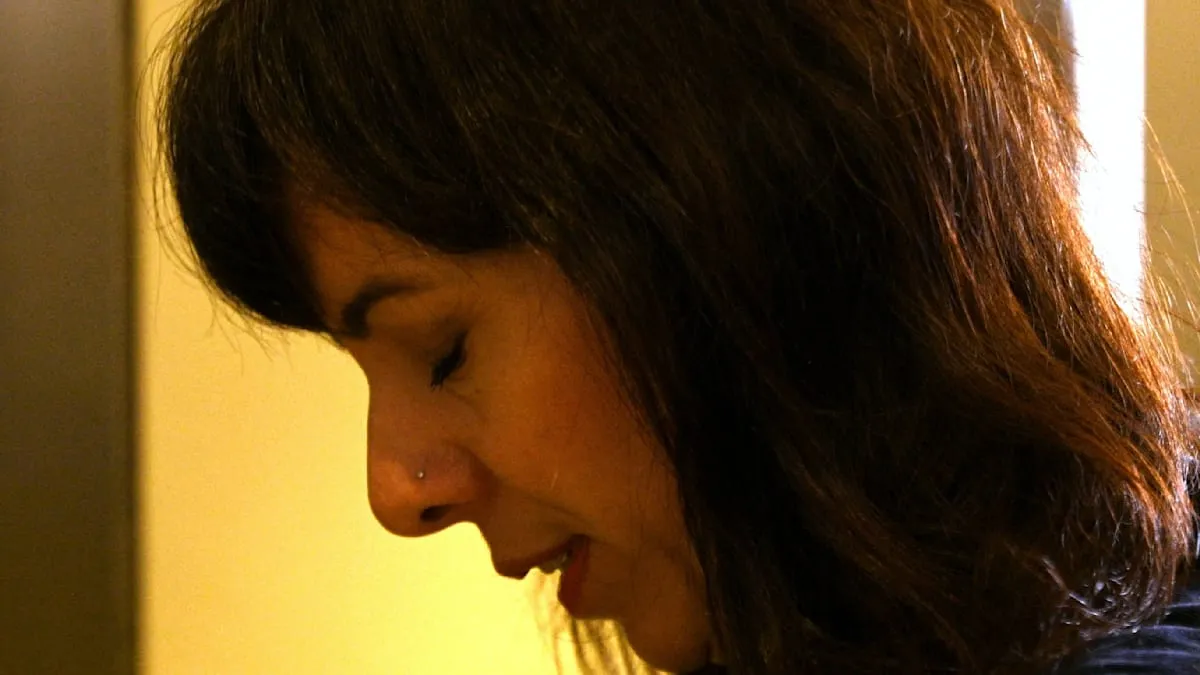
BERLIN – Elif Eralp, a prominent politician from the Left Party (Die Linke) in Berlin, Germany, is reportedly living in serious fear of terror-supporting groups. The leading weekly newspaper, Der Spiegel, revealed that Eralp feels pressured by what is referred to as the milieu or working environment of the state-level Palestine Solidarity Working Group. This tension raises deep concerns about potential threats to personal security and political stability in the German capital.
Elif Eralp's apprehension is not merely a personal sentiment. Hendrik Hansen, a recognized extremism expert, affirmed this dynamic. She is driven by the entire milieu, this state working group Palestine Solidarity, Hansen stated, lending weight to the report highlighting the systematic pressure Eralp might be experiencing.
Eralp is a known figure in Berlin's political arena, representing the Left Party, which traditionally champions social justice and peace issues. However, her position often becomes a point of intersection for various controversial views, especially concerning conflicts in the Middle East, which frequently trigger sharp polarization in German domestic politics.
The Palestine Solidarity Working Group, or Landesarbeitsgemeinschaft Palestina-Solidaritas, is an entity focused on supporting the Palestinian cause. While generally advocating for human rights, its presence is often marked by accusations related to elements allegedly supporting extremist groups or spreading provocative anti-Israel rhetoric.
The Spiegel report, obtained from an in-depth investigation, indicates that Eralp's fear is not unfounded. The publication details how pressure from certain groups can affect politicians' freedom of expression, especially when sensitive issues such as the Israeli-Palestinian conflict become public debate.
Hansen's statement that Eralp is driven or getrieben by this milieu suggests that the politician feels compelled to align herself with certain views or face consequences. This raises serious questions about political autonomy and individual courage in confronting intense ideological pressure.
This concern aligns with the increasing vigilance of German security forces against the potential infiltration of extremism disguised as solidarity. Similar issues have previously been highlighted when other Left Party politicians also expressed apprehension about similar threats, as reported in the articles Berlin Left Politician Fears: Are Hamas Sympathizers a Serious Threat to Democracy? and German Left Politician Reveals Deep Fear of Hamas Sympathizers.
The situation experienced by Eralp underscores a crucial challenge for German democracy. Freedom of opinion and political participation are threatened if public officials feel unsafe to voice differing opinions or perform their duties without fear of intimidation or violence.
For the Left Party itself, this report adds to a long list of internal debates regarding their Middle East policy. Some party members urge a firmer approach towards groups allegedly spreading hatred, while others fear alienating their traditional support base.
The German government and security agencies need to take such reports seriously. Protecting politicians from all forms of threats, both physical and psychological, is a crucial pillar in maintaining the integrity of the country's political and legal system.
This incident can also erode public trust in political institutions. If politicians themselves feel unsafe, how can the public feel protected, especially amidst increasing social and political polarization?
Editorial Insight: Elif Eralp's case is not merely a personal political drama; it is a serious indicator of how extremism, even when hidden behind narratives of solidarity, can threaten political freedom and internal stability in Germany. An effective response from the state and civil society will determine whether democracy can withstand waves of intimidation that seek to silence moderate and critical voices. This situation demands deep reflection on the limits of freedom of expression and the moral responsibility of advocacy groups in a democratic society.