 Edward DP Situmorang
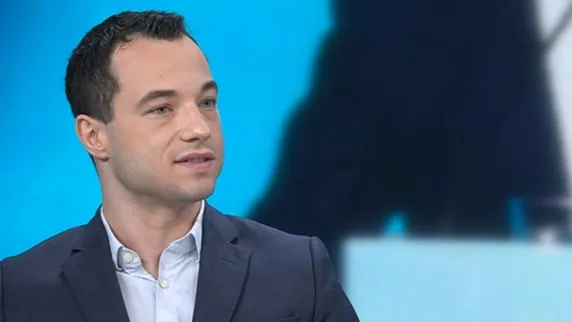
BERLIN – The political landscape of Berlin is in turmoil following a sharp demand from Harald Burkart, Head of the Young Union Berlin, for Governing Mayor Kai Wegner to relinquish his top candidacy in the upcoming election. Burkart's controversial statement was a response to what he termed the "third lie" and governmental stagnation, questioning Wegner's leadership capacity in the German capital in 2026.
Burkart, representing the youth wing of the Christian Democratic Union (CDU), used a vivid analogy: "We can no longer bet on a dead horse." This phrase strongly implies that he believes Kai Wegner no longer possesses the credibility or ability to lead the party's campaign to victory, fueling widespread speculation about the Mayor's political future.
This severe criticism emerges amidst a challenging period for Berlin's governing coalition. Various domestic issues, from housing policies to urban governance, remain under public scrutiny. The pressure from within the party, particularly from the vocal youth faction, indicates serious cracks in the CDU's leadership structure at the regional level.
Harald Burkart is an increasingly prominent figure in Berlin politics. As Head of the Young Union, he wields significant influence among younger CDU members and often serves as a barometer for the aspirations of the party's next generation. His demand for an incumbent Mayor demonstrates his courage and commitment to bringing radical change.
Kai Wegner himself has served as Governing Mayor of Berlin since 2023. His journey to the top leadership of the city was not easy, involving a series of complex political negotiations. Now, he faces one of the toughest tests of his political career, not only from the opposition but also from within his own ranks.
Although Burkart did not specify what he meant by the "third lie," the statement is sufficient to erode public and internal party trust. This phrase implies a pattern of repeated dishonesty or failure to keep promises on the part of the Mayor, worsening negative perceptions of his administration.
With the Berlin election drawing nearer, this demand could have massive electoral consequences. The CDU's image could be tarnished, and its chances of retaining or expanding power will become more difficult. Voters tend to consider stability and leadership credibility when casting their ballots.
This leadership crisis is reminiscent of internal dynamics in other major German parties that have also faced similar turmoil. In such situations, the party's ability to unite and establish a clear strategic direction becomes crucial.
More broadly, this incident may also reflect larger tensions within the German political landscape. With shifting voter preferences and increasing demands for accountability, political parties across the country are under pressure to demonstrate strong and transparent leadership.
The big question now is how Kai Wegner will respond. Will he attempt to brush off the criticism, or will this pressure force him to reconsider his position? The potential political scenarios are varied, ranging from outright rejection to possible internal negotiations to find the best solution for the CDU and the city of Berlin.
This situation further strengthens the widespread speculation regarding Kai Wegner's potential loss of top candidacy, as previously discussed in the article, Berlin Crisis Scandal: Will Kai Wegner Lose His Top Candidacy?.
Moving forward, political stability in Berlin heavily depends on how the CDU, particularly Kai Wegner and the Young Union, manage these differences in opinion. The 2026 Berlin election will be a critical determinant of the German capital's direction.