 Chandra Wijayanto
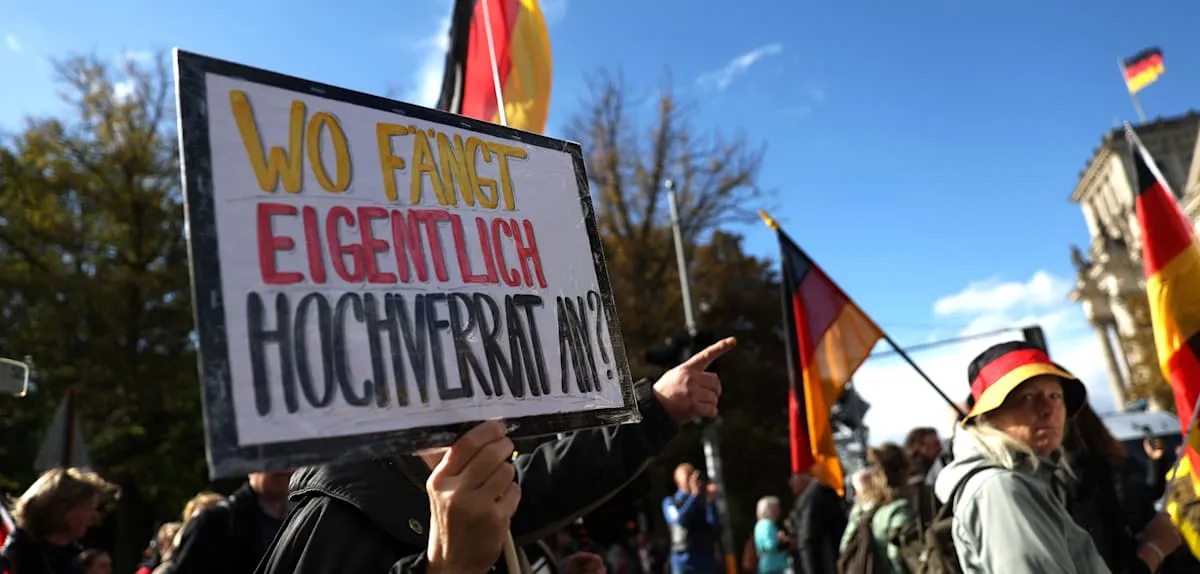
BERLIN – Only about a thousand demonstrators filled the streets of the German capital, Berlin, despite the ProjektM1llion movement previously aiming for ten thousand participants. This mass action, taking place in 2026, called for peace with Russia, the introduction of a 29-Euro public transport ticket, and the resignation of the current federal government, highlighting the significant gap between ambition and the reality of public participation.
The ProjektM1llion movement, named after its aspiration to mobilize a large crowd, faced significant challenges in attracting support. The turnout, far below expectations, raises serious questions about the organization's effectiveness and the resonance of its message within Germany's diverse society.
The demonstration was driven by several central issues that have long been public concerns. The first and most vocal demand was a call for peace with Russia. This issue indicates dissatisfaction among some citizens with Germany's foreign policy and its involvement in ongoing geopolitical conflicts, particularly in the aftermath of the Ukrainian situation that continues into 2026.
Demonstrators also urged the government to introduce a 29-Euro public transport ticket. This policy is expected to alleviate the economic burden on the public amid inflation and rising living costs, which are global issues. This reflects deep concern for the accessibility of affordable essential public services.
Furthermore, the demand for the federal government's resignation was at the core of this wave of protest. Although the reasons behind this call were not specifically detailed, it generally reflects overall dissatisfaction with the government's performance in handling various crises, from economic and energy to social issues. This criticism is often directed at key political figures such as SPD Chairman Lars Klingbeil and CDU Chairman Friedrich Merz, who remain under scrutiny in German political dynamics.
The federal government in power in Germany in 2026, likely a coalition, continues to face pressure from various political factions and civil society groups. This dynamic is not new; Germany has a long history of demonstrations criticizing both domestic and international policies.
Comparisons with previous demonstrations show that while there are issues that spark public anger, mass mobilization often varies. For example, a previous incident where thousands of demonstrators shook the German government center also highlighted political vulnerabilities (read more here). However, ProjektM1llion failed to replicate that scale.
The failure to reach the mobilization target of one million or even ten thousand people can be interpreted in various ways. It might indicate that support for these specific demands is not widespread across all segments of society, or that the movement's organizational and communication methods have not been effective enough to attract broad attention.
Several political observers in Berlin point out that demonstrations with low participation can diminish the political weight of the demands made. Nevertheless, they emphasize that every protest is an important indicator of freedom of expression and critical voices in a democracy.
The fact that these demands are still being voiced, albeit by a smaller number, underscores that issues of peace, economic justice, and government accountability remain important agendas for some German citizens. This is a continuous challenge for the Chancellor and ministers to listen and respond to public concerns.
Editorial Insight:
The demonstration in Berlin, though not reaching the scale hoped for by its organizers, remains an important barometer of the political and social climate in Germany in 2026. The stark difference between the ambition and the reality of participant numbers indicates that while there are deep concerns in society, not all issues can trigger massive public mobilization. The government needs to pay attention to the core demands related to peace and economic welfare, regardless of the number of demonstrators, as these aspirations may represent a broader, albeit less organized, segment of society. The failure of ProjektM1llion to meet its target can also serve as a lesson for civil movements in mobilization and communication strategies in a highly competitive information era.