 Stefani Rindus
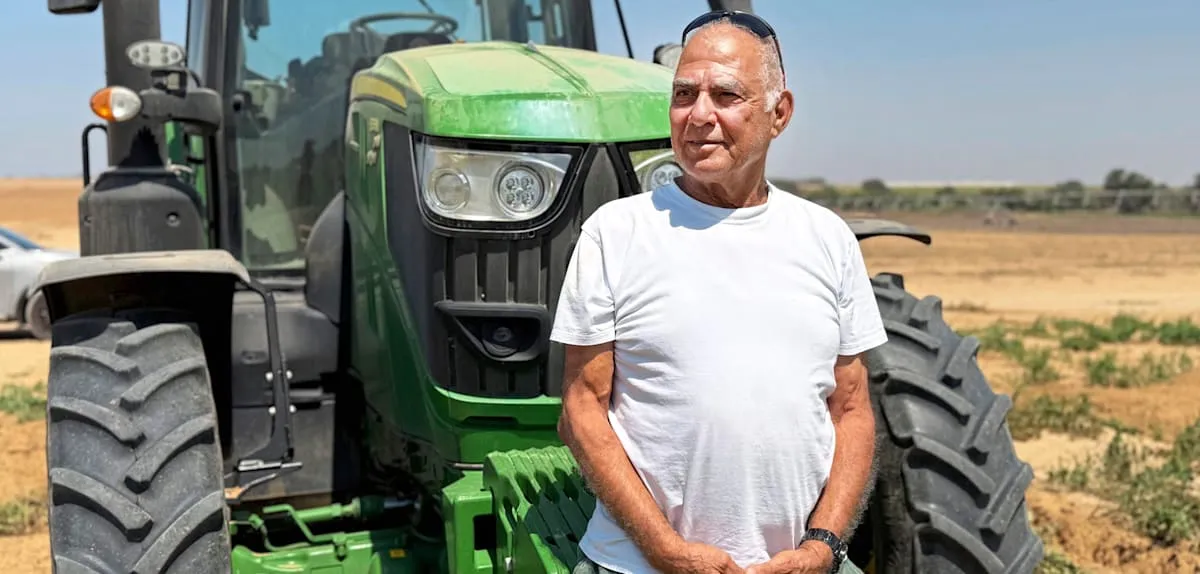
Kibbutz – After 482 days in the grip of terror, Gadi Moses, a civilian held hostage following the brutal Hamas attack on October 7, has finally returned to his devastated kibbutz. His return to this region, now merely a pile of rubble, is not just a homecoming but a formidable mission to rebuild, supported by assistance from Germany. The traumatic experience of losing his partner and the total destruction of his home serves as the primary catalyst for his resolve.
Moses, who was abducted by Hamas militants, once again confronts the horror that befell him. Every corner of his kibbutz now presents a poignant scene of destruction. What shocked me most was the smell of death and destruction, he stated, describing the profound horror that still permeates the site.
The dark events of October 7 irrevocably changed everything. The surprise attack launched by Hamas not only killed his partner but also utterly destroyed his residence and vital infrastructure within the kibbutz. Traces of violence and vandalism are visibly emblazoned on every building, leaving deep wounds for the survivors.
For over a year, Gadi Moses lived in uncertainty, far from his home and his freedom. The bitter experience as a captive undoubtedly etched immeasurable psychological trauma. The process of mental and emotional recovery poses a significant challenge he must confront while striving to restore his physical and social environment.
Nevertheless, the spirit to rise from despair has not waned. Moses is now leading reconstruction efforts, a symbol of resistance against destruction. His initiative has been well-received by various parties, demonstrating that hope persists amid the ruins of sorrow.
International aid, particularly from Germany, plays a crucial role in this revitalization endeavor. The German government, through various programs, allocates funds and expertise to accelerate the rebuilding of the kibbutz. This solidarity reflects a global commitment to humanity and peace in conflict zones.
This collaboration serves as tangible proof that amidst political polarization and prolonged conflict, humanitarian assistance can still transcend geographical divides. It also highlights Germany's concern for the impact of regional conflicts, a recurring theme in German internal discourse, particularly regarding its domestic challenges and foreign policy commitments.
Reconstruction is not solely about erecting physical structures. It also encompasses rebuilding communities, social bonds, and hope for future generations. Comprehensive planning involving psychosocial aspects is required to ensure residents can return to a normal life with decent living standards.
Volunteers from various countries also participate, working hand-in-hand with local residents to clear debris and lay new foundations. They arrive with a singular objective: to help restore life in one of the world's most vulnerable areas, proving the power of cross-border cooperation.
Gadi Moses's presence as a key initiator serves as an inspiration to many. His story is a portrait of human resilience in the face of unimaginable tragedy. He stands as a beacon of hope, guiding his community to envision a future beyond the horrors of the past.
Although the path to total recovery remains long and arduous, the initial steps taken by Moses and global support are crucial foundations. Every brick laid, every piece of rubble removed, symbolizes steadfastness and a rejection of despair.
Editorial Insight:
Gadi Moses's efforts to rebuild his kibbutz transcend mere physical reconstruction; it is a battle against haunting collective memory and a reassertion of a community's existence. International aid, particularly from Germany, becomes vital not only materially but also as a symbol of moral solidarity essential for restoring hope amidst trauma. However, the sustainability of this support amidst complex geopolitical dynamics will be key to long-term success, given that regional tensions remain a palpable threat.