 Angela Stefani
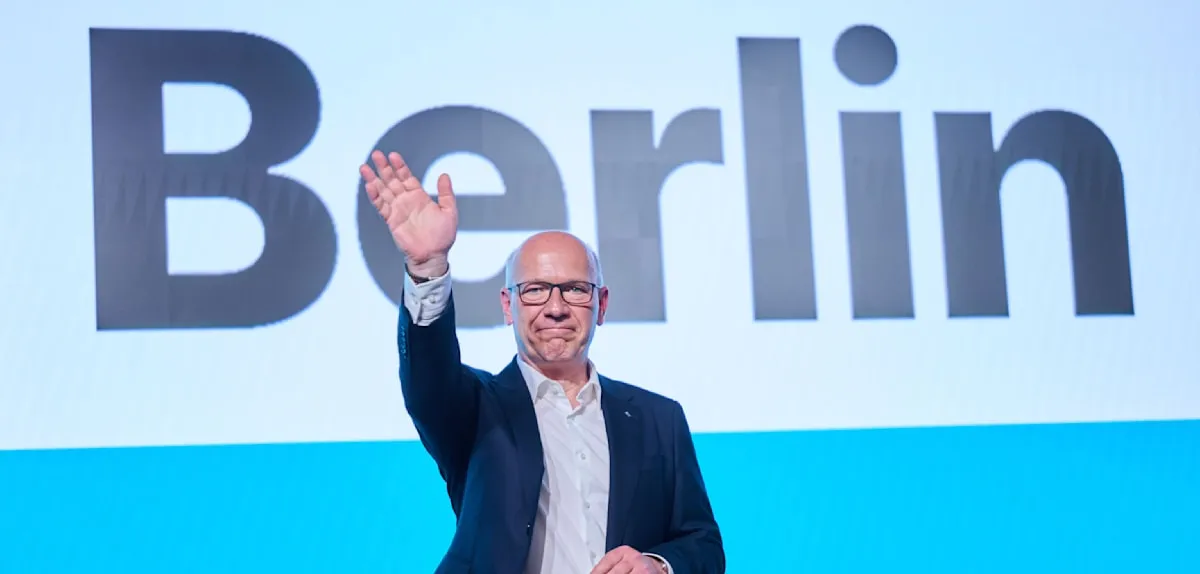
BERLIN — Berlin's Governing Mayor Kai Wegner is once again under intense scrutiny after allegations of false statements regarding his crisis management during a widespread power outage in January 2026 came to light. This incident has triggered a wave of criticism from various opposition factions, though calls for his resignation have not yet reached a general consensus.
The main focus of the current criticism is Wegner's credibility concerning his statements on handling and public communication during the power outage that paralyzed a significant portion of the German capital. These allegedly inaccurate statements, according to the opposition, undermine public trust in the city government's transparency.
The power outage in early 2026 was not an ordinary incident. Vast areas of Berlin were affected, disrupting daily life, transportation, and essential services. The city administration's crisis response under Wegner's leadership has been a subject of intense scrutiny ever since.
Members of parliament from opposition parties, such as the Social Democratic Party (SPD) and the Green Party, have strongly voiced their disappointment. They demand a comprehensive explanation from the Mayor regarding the discrepancies between his official statements and the factual situation that later emerged.
One of the sharpest sentiments came from a prominent opposition politician who was quoted making a biting remark: “He who lies three times will not be elected.” This phrase has become a focal point, emphasizing the perceived seriousness of the breach of trust by Wegner's political adversaries.
Criticism is not limited to specific statements. The opposition also questioned the city government's preparedness for large-scale crises and the effectiveness of inter-agency coordination. They demand reforms in emergency response procedures to prevent a recurrence of similar incidents in the future.
This situation adds significant political pressure on Kai Wegner, who only assumed the position of Governing Mayor of Berlin the previous year. His integrity and leadership are now under close examination, not only from the opposition but also from constituents demanding accountability.
Nevertheless, calls for Wegner's resignation have not been a unanimous demand from the entire opposition spectrum. Some factions prefer to focus on accountability and systemic improvements rather than immediately calling for a change in leadership. They emphasize the need for thorough investigation and concrete corrective measures.
The ruling coalition in Berlin, comprising the Christian Democratic Union (CDU) and the SPD, now faces a serious challenge. The solidity of the coalition could be tested if this controversy continues without a resolution satisfactory to the public and the opposition.
Political observers in Germany view this incident as a crucial test of Wegner's ability to navigate political storms and restore his credibility. Transparency and honesty in dealing with the public will be key to easing the emerging tensions.
The city government's communication post-incident is also under scrutiny. The public and media expect clearer explanations and an acknowledgment of potential errors, not just a denial of accusations. A failure in effective communication could exacerbate the situation.
Threats to the stability of the Berlin government could escalate if this situation is not handled swiftly and appropriately. Citizens of Berlin deserve honest and effective leadership, especially when facing vital infrastructure challenges like electricity supply.
This political tension has the potential to affect legislative agendas and other city policies crucial for Berlin's development. Important projects could be delayed if the government's focus is diverted by this crisis of trust.
This scandal has also attracted national and international media attention, highlighting governance challenges in one of Europe's largest capitals. Berlin's image as a modern and efficient city is threatened by the narrative of crisis management inadequacy.
Some analysts argue that this controversy is similar to previous incidents in Berlin related to the handling of sensitive issues. For instance, the scandal involving left-wing organizations investigated after blockades and attacks on journalists, indicates a pattern of pressure on the city administration. (Link: Skandal Berlin: Organisasi Kiri Diperiksa Usai Blokade dan Serangan Jurnalis).
Moving forward, Mayor Wegner and his team are expected to provide a comprehensive response. This includes not only rebuttals but also concrete action plans to improve crisis management and ensure full accountability to the citizens of Berlin.
The public of Berlin is closely watching the next steps from the City Hall. Lost trust is difficult to regain, and the handling of this controversy will be a significant determinant for the remainder of his term.
This experience reaffirms the urgency of transparency and integrity principles in democratic governance. Every statement by a public official, especially in a crisis situation, must be fully accountable.
Great hopes are placed on the Berlin city government to learn from this incident, rectify existing weaknesses, and refocus on providing the best service to all residents of the capital.