 Stefani Rindus
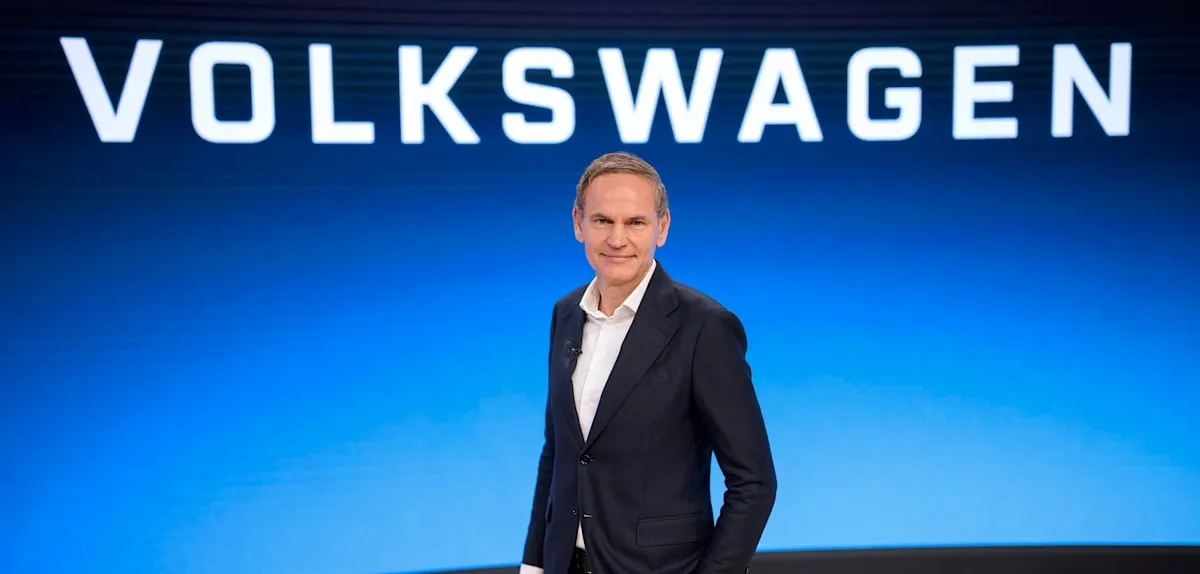
BERLIN — Volkswagen (VW) CEO Thomas Blume has unequivocally announced his commitment to prevent the closure of four plants in Germany, highlighting "smarter solutions" as a superior alternative to liquidation measures. This statement emerges amid global pressures on the automotive industry, particularly in navigating the transition to electrification and increasingly fierce market competition in 2026.
Cost-saving initiatives and enhanced efficiency at various VW production sites across Germany have begun to show positive impacts. Blume emphasized that these proactive steps form the foundation of the company's strategy to maintain its vital manufacturing base and secure thousands of jobs.
"There are far smarter solutions than closing plants," Blume stated in a press release quoted by national media. His affirmation indicates that VW's top management rejects short-sighted approaches focused solely on asset reduction, instead prioritizing long-term operational innovation.
The four plants under scrutiny are at the heart of VW's production strength in Germany, encompassing strategic facilities. Each plays a crucial role in the company's supply chain and the development of future vehicle models.
This "smarter solutions" strategy encompasses various aspects, from optimizing production processes, investing in the latest automation technologies, to retraining programs for employees in skills relevant to the electric vehicle era. This holistic approach is designed to ensure each plant can adapt and remain competitive.
The savings achieved are not merely figures on paper. Several internal reports indicate significant reductions in operational costs without compromising quality or production targets. This serves as proof that internal reforms can generate substantial added value.
Union representatives and works councils welcomed Blume's statement. They had previously voiced deep concerns regarding potential plant closures, which could trigger social and economic turmoil in affected regions.
Volkswagen now strives to be a pioneer in sustainable automotive industry models, not only in terms of eco-friendly products but also in human resource management and production asset utilization. The decision not to close plants sends a strong signal about the company's commitment to Germany as a hub for innovation and manufacturing.
The challenges ahead remain significant. Competition from new electric car manufacturers and changing consumer preferences demand continuous adaptation. However, with a more measured strategy and a focus on internal efficiency, VW hopes to navigate market turbulence with greater resilience.
This move is also seen as a strategic effort to strengthen VW's position on the global stage. By maintaining a robust production capacity in Germany, the company can continue to guarantee the high quality standards that have been a hallmark of the Volkswagen brand for decades.
The commitment to these smarter solutions is expected not only to save plants but also to inspire more innovative business models across the industrial sector, proving that sustainable growth does not always have to be sacrificed for short-term efficiency.