 Angela Stefani
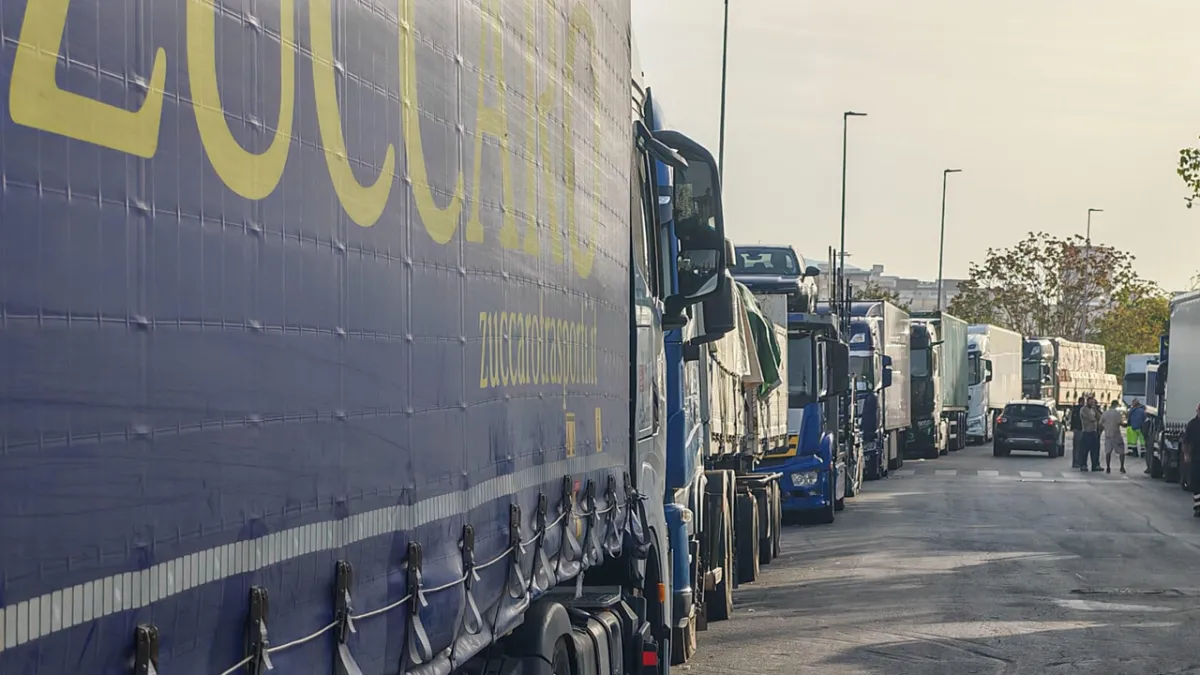
ROME – Hundreds of taxi drivers across Italy initiated a sit-in protest in front of the Ministry of Transport in Rome earlier this week, following the government's decision to lift truck blockades that had previously paralyzed the national logistics network. This action signals a strong demand from the road transport sector, particularly taxi services, for serious attention to policies they deem detrimental in 2026.
The demonstration, organized by the largest taxi unions, was orderly yet firm, highlighting deep dissatisfaction with reforms or perceived lack of government support. After a series of internal meetings, union representatives plan to hold a follow-up assembly in Florence on Tuesday, a step believed to determine the form and scale of subsequent protests.
The decision to lift the previous truck blockades, which had sparked a fuel crisis and long queues in various regions, as reported in Dire Fuel Crisis: Campania Truck Blockades End, has now ironically triggered a new wave of discontent from the taxi sector. They feel that the solutions provided to truckers are disproportionate to the challenges faced by taxi drivers.
Taxi drivers presented several key demands to the Ministry of Transport. They urged the government to review fare regulations, provide fairer fuel subsidies, and control illegal taxi practices or ridesharing applications that they believe undermine the income of licensed taxis.
Giovanni Rossi, head of the national taxi union, stated that this action is the culmination of months of accumulated frustration. We will not stand by while our livelihoods are threatened. The government must hear our voices, not just solve the problems of one sector and forget about the others, he said amidst the crowd of demonstrators.
The Italian Ministry of Transport has not yet issued an official statement regarding the taxi sit-in. However, the situation on the ground indicates rising tensions, with security forces on standby to anticipate potential escalation of protests, especially if demands are not addressed promptly.
If their demands are not accommodated, the taxi unions threaten to launch a larger mass strike, potentially paralyzing transport services in major cities such as Rome, Milan, and Naples. This could have significant impacts on citizen mobility and the recovering tourism sector in 2026.
This situation adds to a long list of social unrest in Italy, previously marked by raids against instigators of mass riots, as discussed in the article Digos Raids 18 Italian Cities. The country's social and economic stability is once again being tested amid various pressures.
The meeting in Florence this Tuesday will be a crucial point. Union representatives will discuss further strategies, including the possibility of setting a definitive date for a national strike. The decisions made there will largely determine whether Italy faces widespread transportation disruption.
Political and economic observers warn the government to promptly seek a compromise solution to avoid more severe economic impacts. Recurring transportation disruptions could hinder economic growth and worsen investment sentiment in the European Union country.
Editorial Insight: This unrest in Italy's transport sector reflects the complex challenges many countries face in balancing regulation, business competition, and worker welfare. The government's response to the taxi protests will be a crucial barometer of the current administration's ability to manage public dissatisfaction and maintain economic stability amidst continuously evolving social dynamics. Indecisiveness could trigger a domino effect of protests from other sectors.