 Demian Sahputra
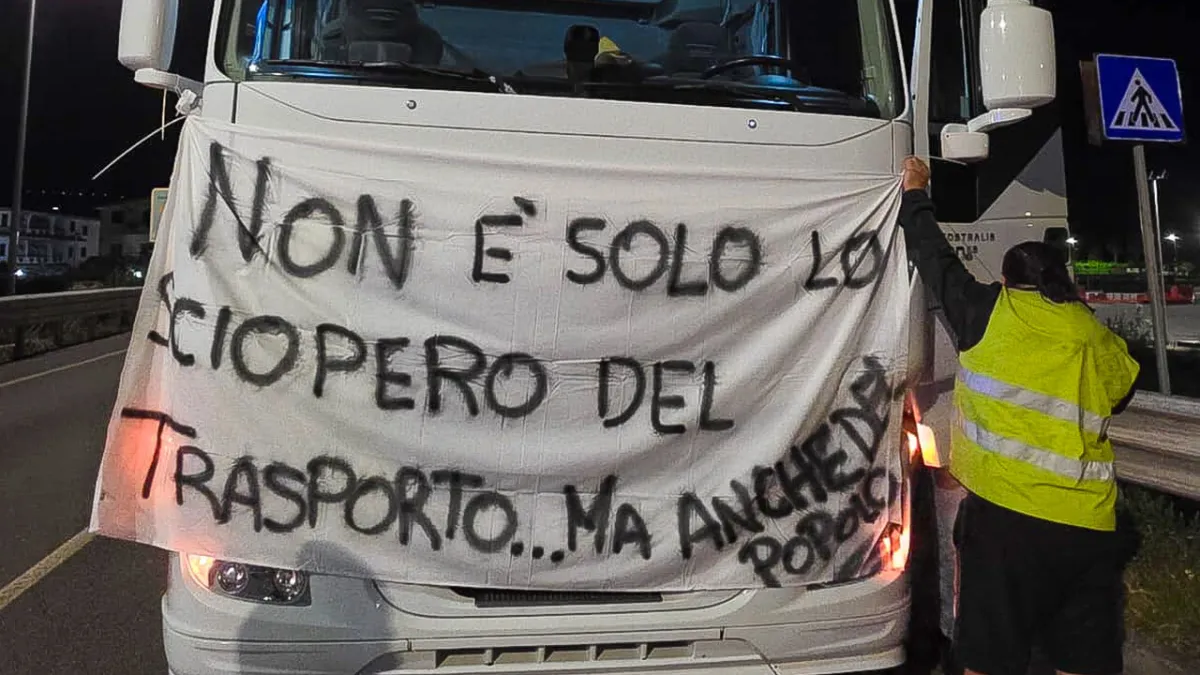
ROME – A massive protest by truck drivers and the logistics sector has once again rocked Southern Italy in early 2026, resulting in the paralysis of several vital infrastructures. This action, centered in Salernitano with road blockades and in Puglia through massive tractor convoys, was further exacerbated by the total blocking of several key ports in Sicily. Minister of Infrastructure and Transport, Matteo Salvini, emphatically urged the government to immediately release the allocated funds to quell the unrest threatening regional economic stability.
This wave of dissatisfaction is not a new phenomenon. Truck drivers and logistics operators in Southern Italy have long voiced complaints regarding soaring operational costs, a lack of government support, and unfulfilled promises. The peak of frustration is reflected in actions at various strategic points, especially in the province of Salernitano, which witnessed dozens of trucks lining up to blockade main access routes, significantly hindering goods distribution.
In the Puglia region, a similar scene but with a different nuance was observed. Hundreds of tractors moved in long convoys, traversing main roads and city centers, creating severe traffic jams and attracting widespread public attention. This action by farmers and truck drivers underscores the solidarity between sectors equally burdened by economic policies and rising fuel and spare part prices.
The situation intensified in Sicily, where several important ports experienced total blockades. Protesters closed entry and exit access to ports, causing cargo pile-ups and obstructing export-import activities. The domino effect of these port closures is feared to severely hit the national supply chain, even impacting international trade.
Responding to the escalation of protests, Matteo Salvini, a key figure in the current government, issued a strong statement. The government must act immediately. The funds allocated for the transport sector must be released without delay. Any postponement will only worsen the situation and harm our economy, Salvini stated, highlighting the urgency of resolving the issue. This statement also put pressure on the Ministry of Finance and related departments to expedite bureaucratic processes.
The funds Salvini referred to are presumably a package of aid or subsidies previously promised to ease the operational burden of road transport operators. The delay in disbursing these funds is one of the main triggers for the resurgence of this massive wave of protests. Protesters feel that government promises have become mere rhetoric without real implementation.
The consequences of these blockades are already being felt. Supplies of essential goods to markets and supermarkets in several Southern Italian cities have begun to be hampered. The manufacturing sector also reported difficulties in delivering raw materials and finished products, threatening operational continuity and potential layoffs. Economic analysts estimate millions of euros in daily losses due to the logistical disruptions.
Public support for the protesters appears varied. Although many are directly affected by the blockades, not a few also sympathize with their struggle. The public understands that the problem is rooted in economic uncertainty and continuously rising living costs, conditions also experienced by various segments of society.
The Italian government now faces a serious challenge to find quick and effective solutions. In addition to fund disbursement, the truck drivers' long-term demands include tax reforms, more stable fuel pricing, and protection against unfair competition. Negotiations between protester representatives and authorities are hoped to yield results soon.
This situation also highlights the fragility of Italy's supply chain, which relies heavily on road transport. Similar incidents, such as the Ilva Workers' protest that paralyzed Genoa airport in 2026, demonstrate a pattern of worker dissatisfaction with economic policies perceived as unfavorable. Genoa Paralysed: Ilva Workers Block Airport Protesting Mass Layoffs
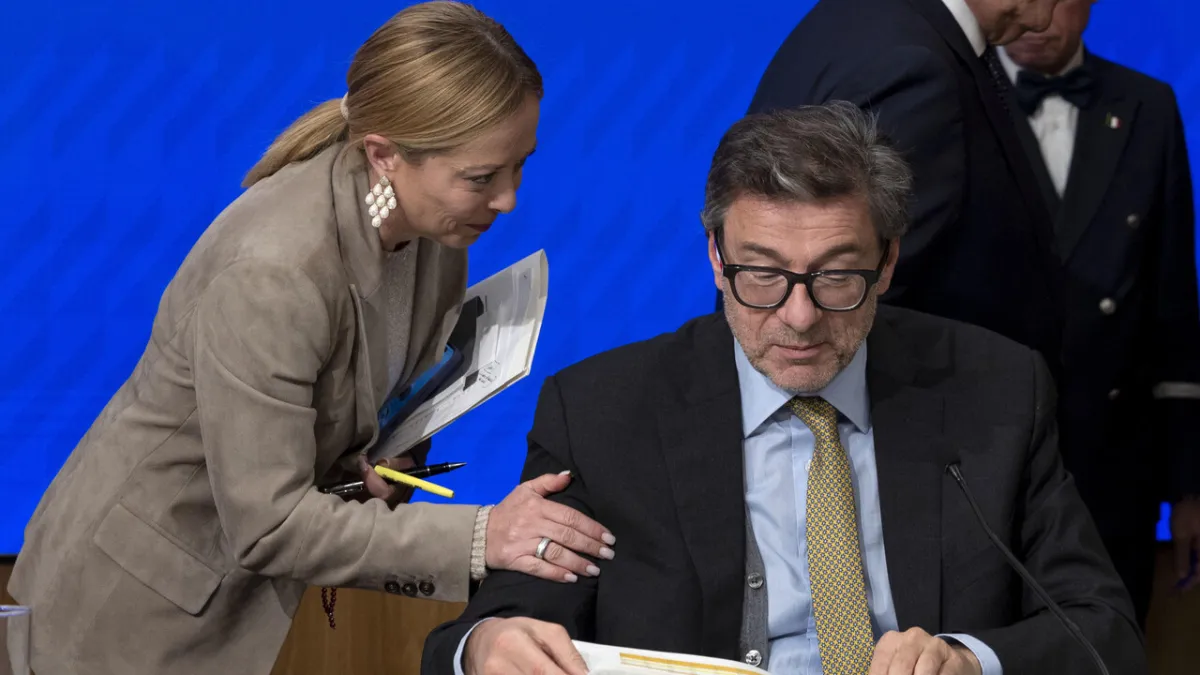
Resolving this conflict will be a critical test for Prime Minister Giorgia Meloni's government. The government's ability to respond to demands from this vital sector will determine public trust and political stability in the future, especially ahead of annual budget discussions.
Editorial Insight: The truck drivers' protest in Southern Italy reflects a broader economic tension, where government promises often clash with operational realities on the ground. Matteo Salvini's urgency signals internal pressure within the governing coalition to address this crisis quickly. Failure to promptly disburse funds could trigger a larger escalation, potentially disrupting national supplies and slowing Italy's post-pandemic economic recovery. This situation could also set a precedent for other marginalized sectors.