 Angela Stefani
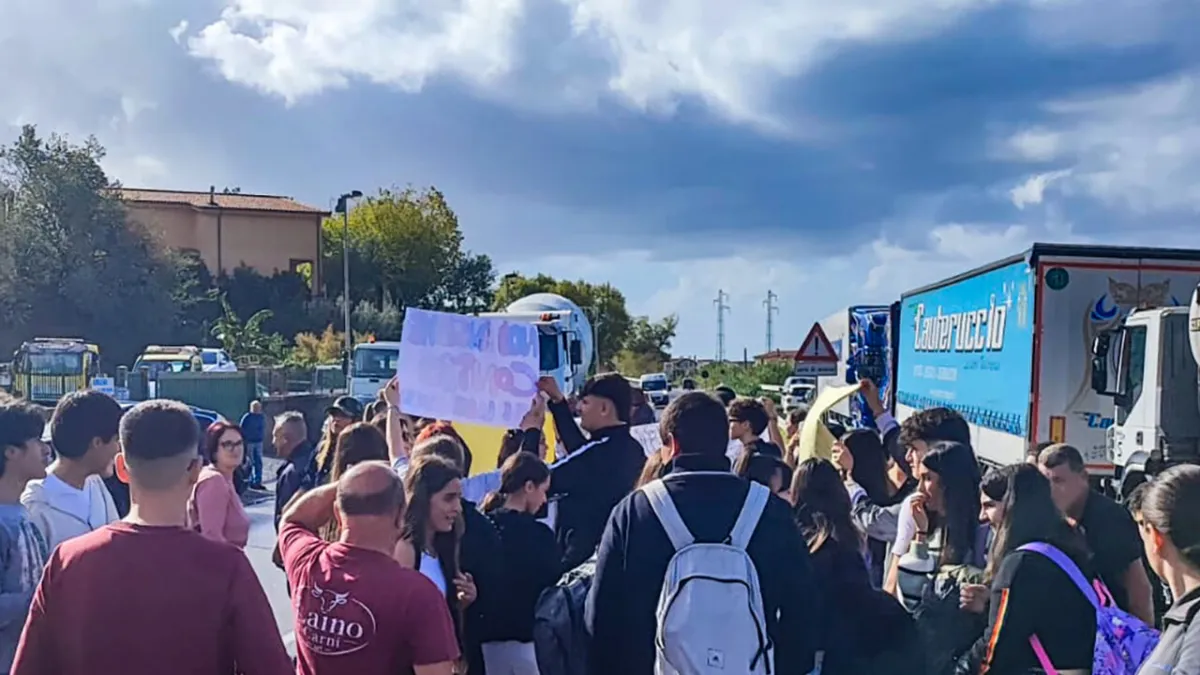
ROME – A wave of nationwide truck blockades has swept through Italy, causing significant disruption to supply chains and severely impacting the country's economy in early 2026. The Italian government, through a Council of Ministers (CDM) meeting scheduled for today, is responding by adopting a 'hard line' against protesters while simultaneously preparing an urgent aid decree to alleviate the worsening economic fallout. These protests, which have led to empty markets and many businesses on the brink of collapse, have even caused the closure of vital highway junctions and triggered serious concerns about the paralysis of major cities.
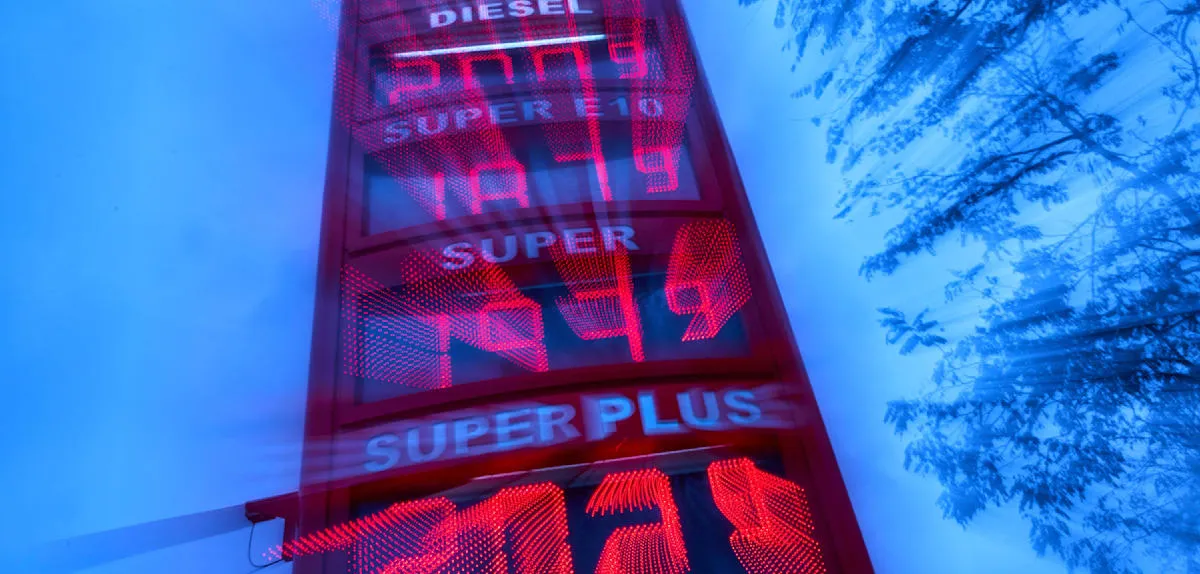
This crisis reached its peak after weeks of tension, as truck driver blockades crippled large parts of Italy, particularly in the south. Reports from various regions highlight completely empty markets, indicating a severe disruption in the supply of essential goods, from foodstuffs to fuel.
Public anxiety is escalating following stern warnings from regional leaders. The Mayor of Naples, for instance, openly declared that their city 'is at risk of total paralysis' if the blockades continue without a resolution. Similarly, the Mayor of Bari voiced similar concerns, underscoring the urgency of government intervention.
In response to the increasingly critical situation, the Italian government has reaffirmed its commitment to restoring order. Firm measures have been taken, including filing legal charges against the organizers of the blockades and deploying police escorts to ensure convoys of trucks carrying vital supplies can pass through barricades.
On the other side of this 'hard line' approach, the Council of Ministers (CDM) is scheduled to meet today to discuss and approve an aid decree. This policy package is designed to provide financial and logistical support to the sectors most affected by the supply crisis, while easing the economic burden on the public.
Although the blockades are still widespread, there are signs of easing tensions in some regions. In Calabria, one of the protest hotspots, blockade actions have reportedly been suspended, providing a slight reprieve for supply recovery efforts. However, this does not mean the crisis is entirely over.
This crisis has varied regional impacts. In Southern Italy, airports are facing a severe fuel crisis, while major highways are at a standstill, exacerbating the region's isolation from key distribution centers.
Many companies, especially small and medium-sized enterprises (SMEs), are reporting significant losses and are on the verge of bankruptcy. Some have even announced plans to halt operations if the situation does not improve soon. The crisis among merchants in Termoli, for example, reflects the direct impact on the retail sector.
Prime Minister Meloni had previously assured the public that essential supplies would remain secure despite heating truck blockades in Italy. However, the reality on the ground indicates challenges far greater than initial estimations.
Law enforcement is key to the government's efforts to control the situation. Thousands of individuals have been identified, and legal proceedings are underway, demonstrating the government's seriousness in prosecuting those deemed to be obstructing public interest.
Editorial Insight: This truck blockade crisis in Italy reflects the vulnerability of global supply chains and the dilemma governments face in balancing the right to protest with the need to maintain economic stability. The government's dual approach, combining law enforcement with aid packages, demonstrates short-term mitigation efforts, but a fundamental solution will require constructive dialogue among the government, truck driver associations, and the logistics sector to prevent a recurrence of similar crises in the future. The long-term impact on inflation and investor confidence deserves serious attention.