 Angela Stefani
Stade, Germany – A fatal oversight within the German justice system has once again drawn public scrutiny after a suspect, accused of murdering six people, reportedly committed suicide while in detention. This tragic incident occurred just a day after his detention conditions were significantly relaxed, drawing sharp criticism from the lawyer representing the victims' families, who highlighted systemic failures in handling the case.
The heartbreaking story centers on an unnamed man, alleged to be responsible for the deaths of six individuals in the Stade region. The decision to relax his detention conditions the day before he ended his life raises profound questions about risk assessment procedures and supervision within correctional facilities.
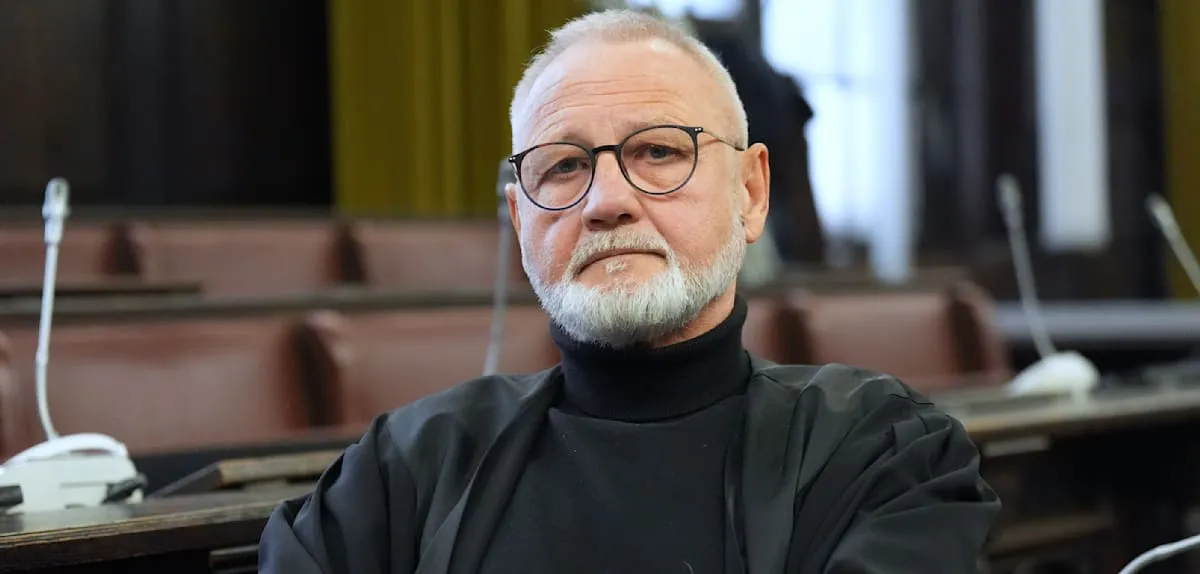
The lawyer for two of the victims' families expressed deep concern over the handling of this case. He emphatically stated that there were “serious oversights” that contributed to the tragic chain of events. This criticism adds to a long list of issues related to judicial system reforms in Germany.
Relaxing detention conditions can take various forms, ranging from increased communication access, reduced direct supervision, to changes in living arrangements within the correctional facility. Specific details regarding the relaxations granted to this suspect have not been officially released, but their impact proved fatal.
An internal source, who requested anonymity, revealed that decisions to loosen detention requirements are often based on psychological evaluations or inmate behavior. However, in this case, the decision appears to have had unexpected and deadly consequences.
“People fell for this man,” the victims' lawyer stated with concern, emphasizing that authorities should have been more vigilant about the inherent risks associated with a suspect accused of serious crimes. He argued that the belief the suspect had been “imprisoned for too long” might have clouded objective judgment.
This tragedy in Stade is not an isolated case indicating loopholes in Germany's legal and security systems. Similar cases frequently spark fierce debates about the balance between prisoners' rights and public protection, as well as the effectiveness of rehabilitation in prisons.
This incident will undoubtedly trigger further internal investigations by German authorities to identify who was responsible for the decision to relax the detention conditions. Public pressure and demands from victims' families are expected to drive urgent reforms.
German society, through various forums and social media, has begun to voice its unease. Some argue that the legal system needs to be tougher on serious offenders, while others call for a comprehensive review of security procedures in correctional facilities.
Criminal law expert Professor Klaus Richter from Heidelberg University, in a separate interview, underlined the importance of a multidimensional approach to inmate evaluation. “Detention decisions should not be based solely on one aspect, but must consider criminal history, psychological condition, and potential threats to oneself and others,” he explained.
This case is reminiscent of several criminal incidents in Germany involving procedural gaps, such as the Regensburg Stir: Hostage Dies in Bank, Perpetrator's Identity Revealed incident, which demonstrates how crucial careful handling is in high-risk situations.
The Stade local government and federal legal authorities are expected to face significant pressure to provide transparent and accountable explanations to the public. The credibility of the justice system is at stake in this case, which has shaken the public's sense of justice.
The victims' families, now facing double grief, have not only lost loved ones but also confront the bitter fact that the alleged murderer ended his life under the supervision of a system that was supposed to ensure justice.
Authorities are expected not only to promise investigations but also to implement concrete changes to prevent similar occurrences. Stricter oversight systems and more accurate risk assessments are paramount priorities.
This tragic incident also reinforces calls for increased psychological support for prisoners, as well as a review of policies that allow for relaxed detention conditions for individuals involved in violent crimes.
The future of justice for the families of six lives is now at stake, as the public awaits decisive action from the German government and judicial institutions in response to the “serious oversights” that have claimed so many lives.