 Gabriella
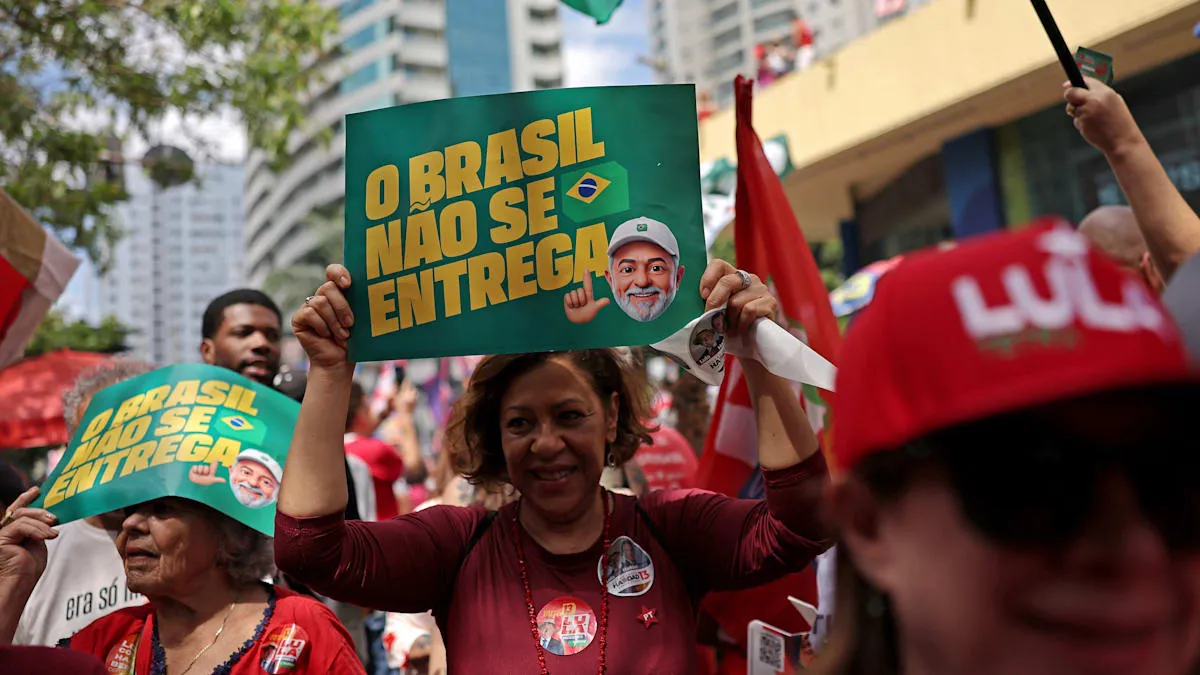
BRASILIA – Brazil once again stands on the cusp of a monumental political decision. The 2026 Presidential Election features a fierce battle between incumbent Luiz Inacio Lula da Silva, representing the left wing, and the challenger from the right-liberal camp, Flavio Bolsonaro. This rivalry is not merely a struggle for power but a profound reflection of the ideological polarization that has long divided the nation. Recent surveys show both candidates with nearly equal support, signaling a crucial round of voting.
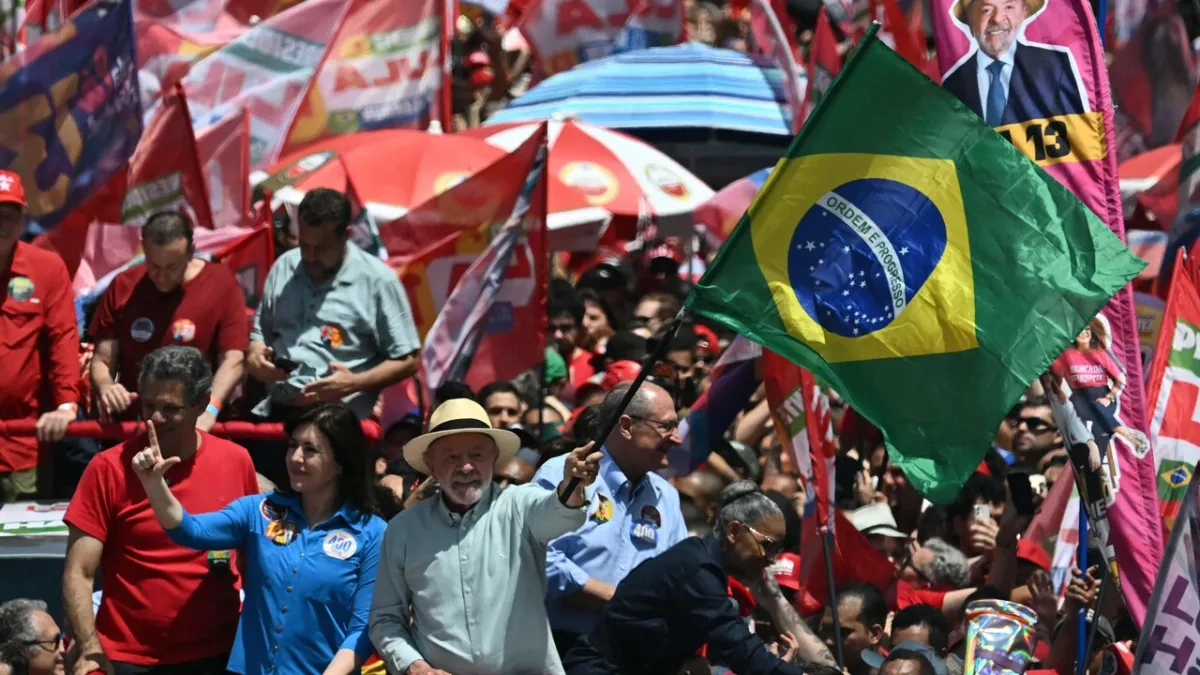
Luiz Inacio Lula da Silva, a charismatic figure who returned to power in the previous period, seeks to secure a second mandate. He champions narratives of social justice, economic equality, and strong environmental protection. His support base is widespread among low-income communities and progressive groups.
On the other hand, Flavio Bolsonaro, son of former President Jair Bolsonaro, emerges as a representative of conservative ideology. He pledges economic stability, strict law enforcement, and traditional values. His supporters are predominantly from the upper-middle class, business owners, and a significant portion of the agricultural sector.
Polarization in Brazil has been a hallmark of its political landscape in recent decades. The division extends beyond the elite level, deeply permeating grassroots society. Fundamental issues, ranging from the economy and human rights to foreign policy, often become battlegrounds for unending ideological conflicts.
This election is anticipated to be one of the tightest in modern Brazilian history. If no candidate secures more than 50% of the vote in the first round, a second round will be held. This scenario is strongly predicted, given the razor-thin margins indicated by current polls.
Political analyst Dr. Elena Rodriguez from the University of Sao Paulo stated, 'This election is not just about choosing a leader; it is about the future of Brazil's identity. Both camps offer starkly contrasting visions, and voters face a fundamental choice.'
Campaigns from both sides are unfolding with high intensity, across both traditional media and digital platforms. Mutual accusations, fierce debates, and ambitious promises are routine sights on the political stage. Issues of corruption, inflation, and unemployment are key spotlights that both candidates attempt to leverage.
The outcome of the 2026 Election will have significant repercussions not only for Brazil but also for the regional stability of Latin America. A left-wing government under Lula or a right-liberal one under Bolsonaro will determine the direction of foreign policy, economy, and social aspects for South America's largest economy.
The Brazilian populace now awaits with bated breath, ready to cast their votes to determine who will lead the country through the challenges of the 2026 Brazilian Election. Every policy proposed by both Lula da Silva and Flavio Bolsonaro will shape Brazil's future for the next five years.
The phenomenon of political polarization in Brazil is not new. Previous articles, 'Brazil's Political Turmoil: Bolsonaro and Lula's Sons Clash Ahead of Critical Election', have highlighted how intergenerational feuds within political families also exacerbate the atmosphere, further revealing the depth of existing rifts. Similarly, analyses concerning the likely second round have been explored in the news 'Brazil on the Brink of Second Round: Bolsonaro Clan Challenges Lula in Fierce 2026 Election'.
The high political tension and close poll results suggest that whoever is elected will face immense challenges in uniting a divided nation. The mandate will be very narrow, requiring the leader to possess extraordinary negotiation and consolidation skills.
Editorial Insight: The 2026 Brazilian Election reflects a global trend of escalating political polarization, even in major democracies. The near-tie in polls between Lula da Silva and Flavio Bolsonaro underscores the political system's failure to embrace differences and achieve consensus. This condition has the potential to cause post-election instability, regardless of who wins the contest. The real challenge for the elected President will not merely be to lead, but to heal the profound wounds of division, a task far more complex than simply winning votes.