 Robert Andrison
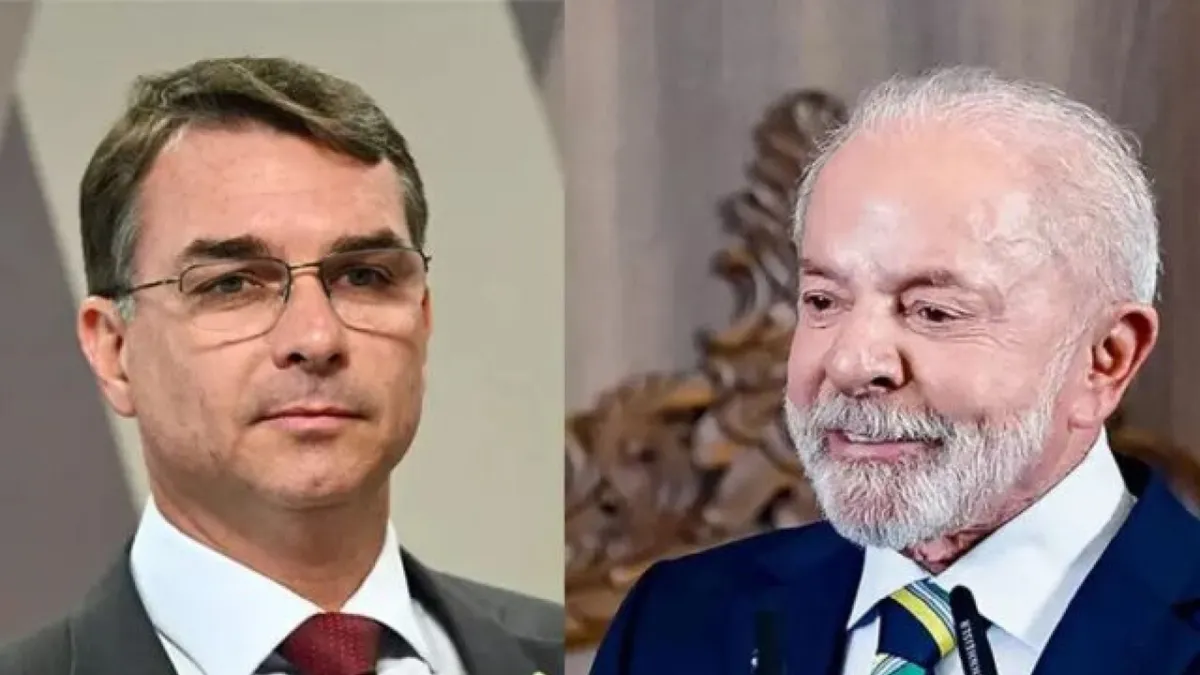
BRASILIA – Brazil's political landscape is heating up ahead of this weekend's crucial ballot. Tensions have peaked with a fierce verbal clash between members of former President Luiz Inacio Lula da Silva's camp and the son of former President Jair Bolsonaro, further exacerbating an already intense rivalry. This turmoil unfolded amidst the cancellation of a vital television debate, coupled with reports of threats against the United States Embassy in the capital, adding to concerns over the integrity of the democratic process in the Latin American giant.
The 2026 general election week is anticipated to be one of the most fiercely contested in Brazil's modern history. The deep-seated ideological competition between Lula's progressive vision and Bolsonaro's conservative right-wing agenda now resonates with the younger generation, sparking friction in both public and political spheres. The confrontation between representatives of both sides underscores the profound polarization gripping the nation.
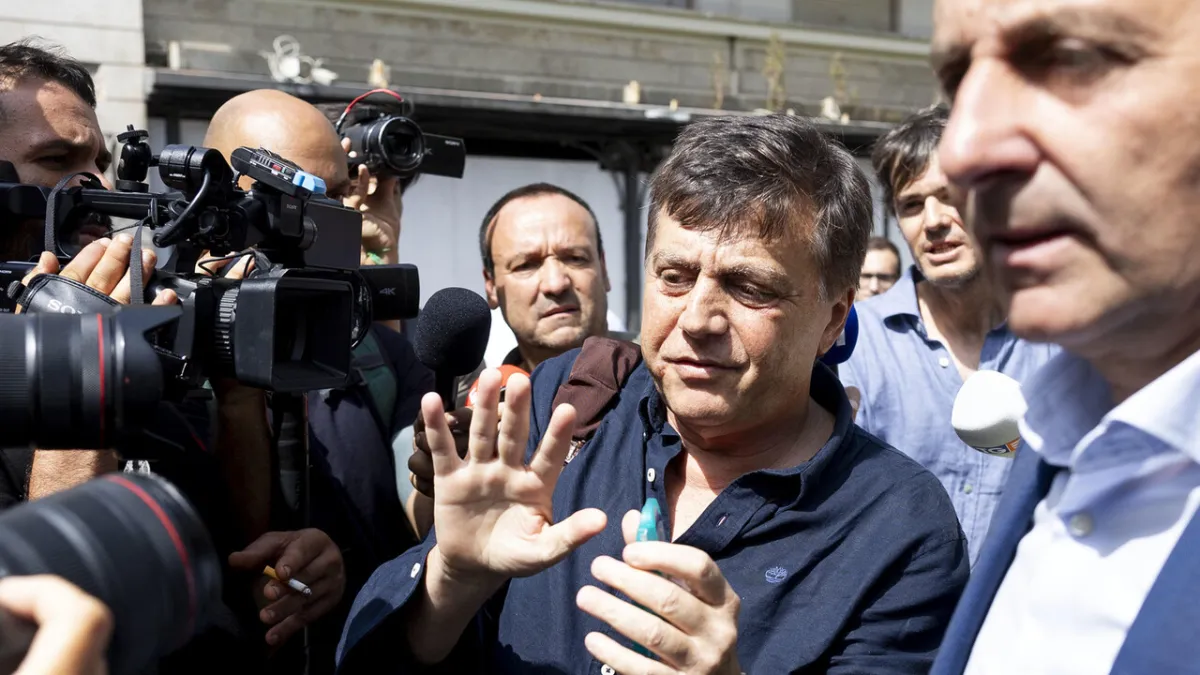
Sources close to the campaigns indicated that the argument occurred during an informal gathering, quickly escalating into a verbal confrontation. Each side hurled accusations and provocations, reflecting a breakdown in healthy political dialogue. This incident, while not resulting in physical violence, serves as a serious indicator of the simmering political temperature.
The cancellation of the television debate, which was meant to bring candidates together, has caused widespread disappointment among voters. Substantive public discourse, intended to clarify visions and missions, ultimately did not take place. This deprives millions of Brazilian citizens of the opportunity to directly compare political platforms and leadership offerings, leaving room for speculation and unverified information.
Several political analysts view the debate cancellation as a tactic detrimental to the democratic process. Without a neutral stage, campaign narratives will increasingly be dominated by social media and partisan communication channels, which tend to reinforce echo chambers and fragment public opinion.
Beyond internal tensions, the shadow of external influence also looms over this election. A phenomenon many refer to as the 'Trump specter' haunts Brazil's political atmosphere. United States President, Donald Trump, currently back in office, is known for his populist rhetoric and skepticism towards election results that do not favor him. This pattern seems to find parallels among Bolsonaro's supporters, who often voice similar doubts about democratic institutions.
This situation mirrors global political narratives seen when the G7 responded to Trump's threats regarding global economic stability. Attitudes that intervene or question the validity of institutions frequently become ingredients that heighten a country's political tension.
Concerns deepened with specific threats against the United States Embassy in Brazil. Details regarding these threats remain vague, but Brazilian and US authorities have reportedly heightened their alert. Such incidents not only threaten diplomatic security but also have the potential to trigger broader instability, especially if linked to external contacts or attempts at foreign interference.
Observers worry that if this polarization and political tension continue to escalate, even legitimate election results could be questioned by dissatisfied groups. This poses a risk to the painstakingly built foundations of Brazilian democracy post-dictatorship era.
The people of Brazil now await with anxious anticipation. The day of voting will determine the future direction of the country. Will Brazil successfully navigate this wave of tension peacefully and democratically, or will it be drawn deeper into a prolonged political conflict? The answer will unfold in the coming days.
Editorial Insight:
The current Brazilian election is not merely about who will lead, but also about the resilience of democratic institutions in the face of global populism and political polarization. Incidents between the Lula and Bolsonaro camps, coupled with the shadow of Trump-esque rhetoric, indicate that peaceful power transition and acceptance of legitimate election results are at stake. Diplomatic security also comes under scrutiny, signifying the geopolitical complexities involved in any significant domestic political contest. Brazil stands at a crossroads, and the world's eyes are on how the nation will navigate these challenges.