 Angel Doris
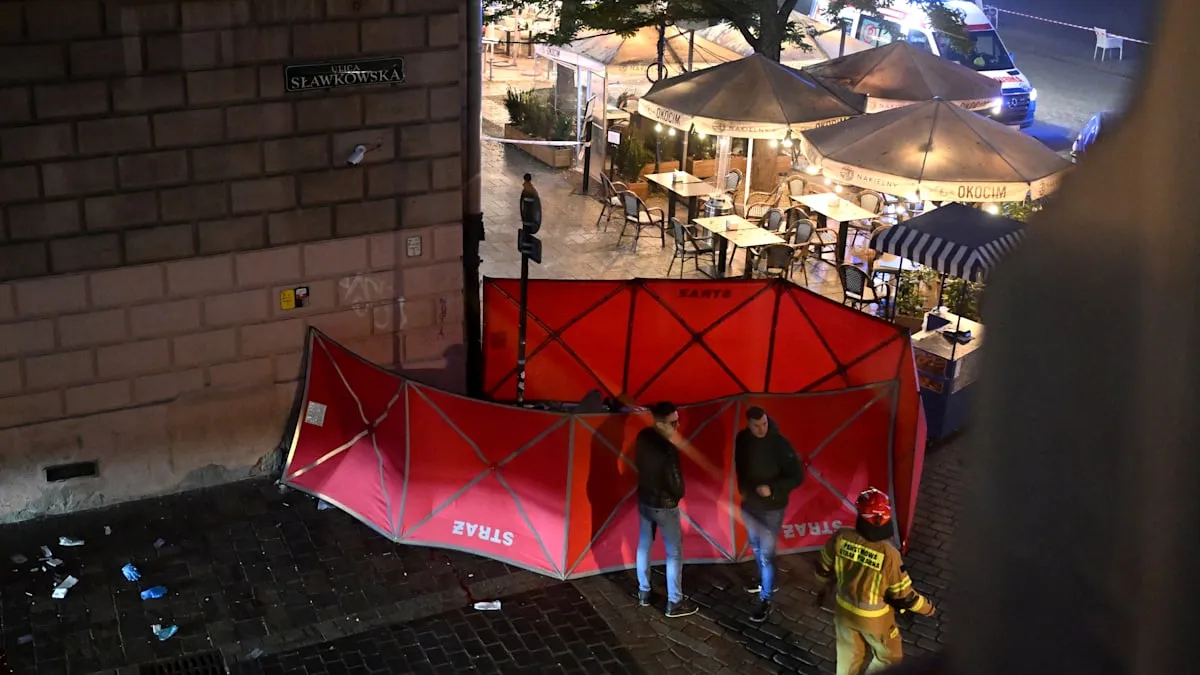
KRAKOW – Six civilians have died and fifteen others suffered severe injuries in a horrific mass shooting incident that recently rocked Krakow, Poland. This tragic event has sparked a wave of grief and condemnation across the nation, with authorities immediately launching an in-depth investigation into the motives behind the brutal attack, which is strongly suspected to be an act of terrorism.
The incident began when an unknown assailant opened fire indiscriminately in a crowded location. Eyewitnesses described mass panic and deafening gunshots, transforming a calm atmosphere into a chaotic scene within seconds. Police units promptly responded to the reports, evacuating victims and securing the incident area.
As investigation teams tracked the perpetrator, another shock followed. At the shooter's residence, authorities discovered three additional bodies strongly believed to be linked to the incident. This finding further deepens the mystery and complexity of the case, expanding the scope of the tragedy beyond initial estimates.
Polish Prime Minister, Donald Tusk, expressed profound concern over the incident. In an emotional statement, Tusk affirmed, 'We see here a terrorist who truly targeted all people indiscriminately.' This statement underscores the seriousness of the situation and points to a possible ideological motive behind the attack.
'All of Poland is now in shock,' said Julian Staehle, a reporter from WELT, describing the public mood. This unexpected violence has left deep wounds for the victims' families and a collective trauma for the Polish nation.
The Polish government, through the Ministry of Interior, has pledged to exert maximum effort to fully uncover this case. The intensive investigation involves various police and intelligence units, coordinating to identify any hidden networks or motives.
Hospitals in Krakow were overwhelmed handling the injured victims. Medical teams worked tirelessly to save the lives of those hit by gunfire, some of whom are reported to be in critical condition. Public solidarity was evident, with many citizens flocking to donate blood.
Although Prime Minister Tusk has openly referred to it as an act of terrorism, the police are still hesitant to provide a final conclusion before all evidence is collected. However, the indiscriminate and random nature of the attack strengthens the suspicion of an intent to spread fear.
The investigation focuses on the complete identification of the perpetrator and their connection to the three bodies found in their home. Whether they were previous victims, or if there is another connection leading to a larger plot, remains a key question for the investigative team to solve.
This tragedy reminds the public of the vulnerability to extreme acts of violence and the importance of collective vigilance. The government urged the public to remain calm yet vigilant, and to report any suspicious activities to the authorities.
Reflecting on similar events, Poland has previously faced security threats, although the scale of the Krakow incident this time is considered very serious. For further context regarding the tragedy that befell Krakow and the grief that enveloped Poland, readers can refer to our previous article: Tragedy in Krakow: Six Lives Lost, Poland Mourns Mass Shooting.
Editorial Insight: The mass shooting in Krakow is not merely an ordinary criminal incident; it has the potential to become a turning point in Poland's national security landscape. Prime Minister Tusk's strong statement about terrorism indicates the government's level of concern regarding broader implications, both in terms of internal security and Poland's international image. The discovery of additional bodies at the perpetrator's residence suggests a complex case requiring extra careful handling, potentially uncovering a larger cell or network. This event will serve as a test for the preparedness and rapid response of Polish security forces.