 Gabriella

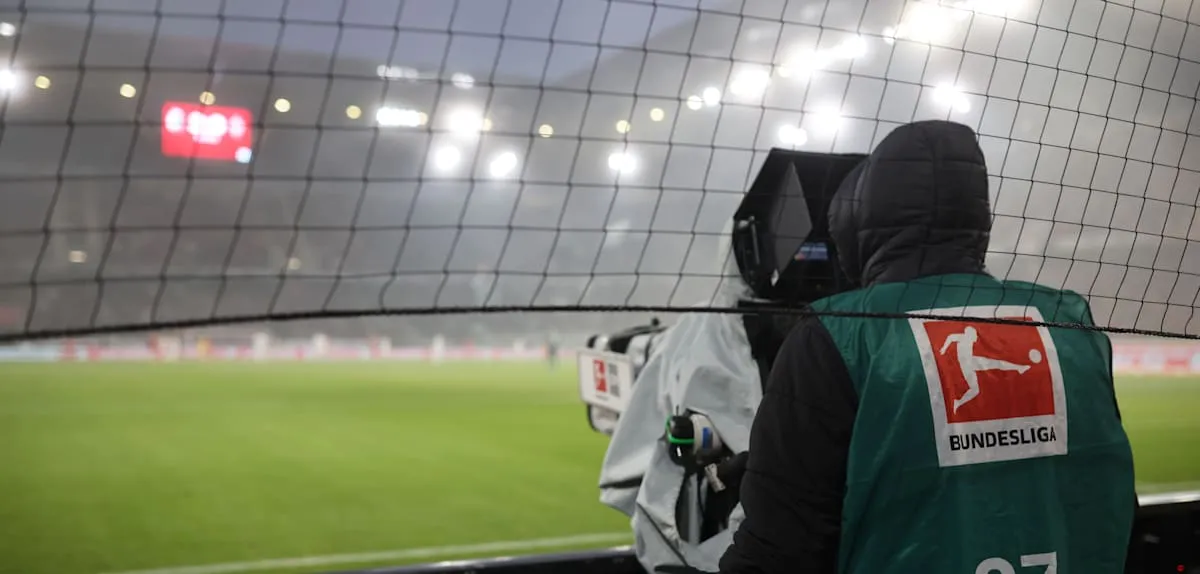
BERLIN – The summer 2026 transfer window in the Bundesliga has officially closed, marking a significant strategic shift among top German clubs. Recent data indicates that the majority of teams are now prioritizing the recruitment of young talents from abroad, a phenomenon raising deep concerns about the development of local players and the future prospects of the German National Team.
Reports following the close of the transfer market suggest that Bundesliga clubs collectively managed to generate greater financial profits compared to their expenditures. This reflects a more pragmatic and business-oriented approach, where a player's market value becomes a primary consideration. The focus on foreign talents without major star reputations allows clubs to acquire high growth potential with relatively lower initial investment.
This strategy is not without consequences. Several German football pundits have voiced concerns that the influx of foreign talents could narrow playing opportunities for young German players. Consequently, the development pathway to the first team for local talents becomes increasingly challenging, potentially hindering the regeneration of the German National Team squad.
'If clubs consistently prioritize foreign players who are relatively cheaper but possess high commercial potential, we will see a drastic decline in the number of German core players in the domestic league,' stated a former Bundesliga club sporting director who wished to remain anonymous. 'This is not a matter of quality, but of opportunity.'
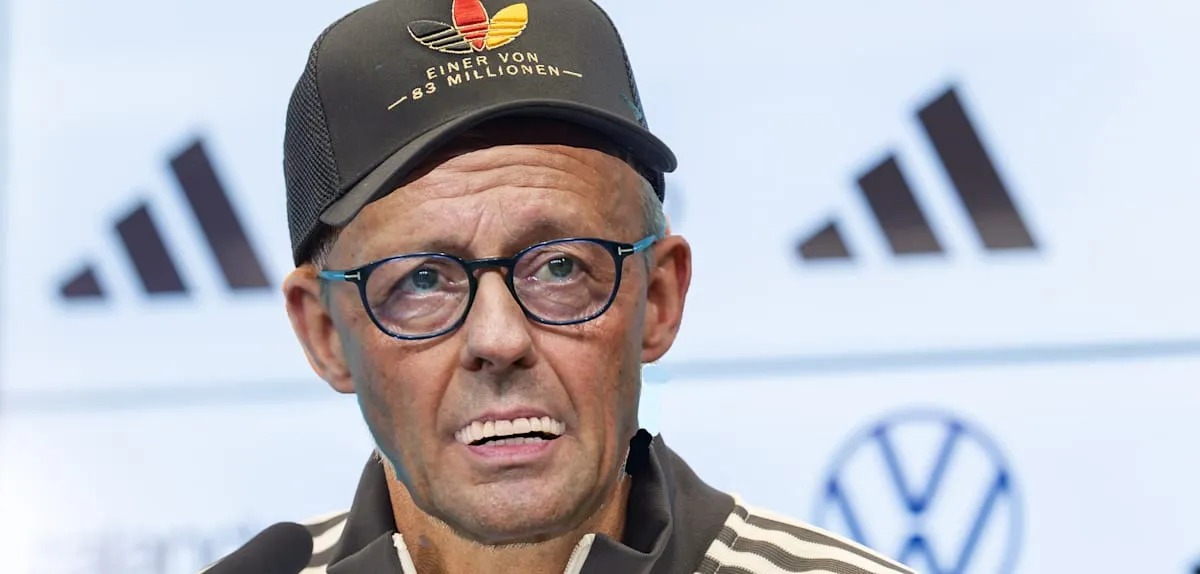
This condition adds to the list of challenges for the German football federation in preparing a competitive squad for upcoming international tournaments. The pressure on the German National Team coach to discover pure talents from an increasingly globalized competition intensifies.
Certainly, the presence of foreign talents also brings benefits, such as an improved league quality and diversity of playing styles. However, the balance between investing in local players and importing talents from abroad is key to ensuring the overall sustainability of German football's achievements.
Debate regarding the impact of transfer policies on the national team is not new in Germany. Previously, similar issues arose concerning the early retirement decisions of several key players or massive market movements, such as when Ruediger decided to retire from the national team, sparking discussions about squad depth.
The 2026 season is predicted to be an important barometer for observing how far this transfer strategy influences club performance in European competitions, while also measuring how effectively German youth development programs can compete. Only time will tell whether the financial gains achieved by clubs are commensurate with the potential risks to the foundation of national football.
Decision-making at the club level is often driven by deep economic considerations. They operate as business entities seeking profitability, and investing in young foreign talents often offers a more attractive risk-reward ratio than developing local players who may require more time or greater cost to reach the same level.
This phenomenon reminds us that modern football dynamics revolve not only around on-field performance but also economic and managerial complexities. Bundesliga clubs, with their transfer decisions, now hold the key to the future of both these elements.
Editorial Insight:
The shift in Bundesliga clubs' transfer preferences towards foreign talents is a double-edged sword. Financially, it may benefit clubs and maintain the league's economic stability. However, its impact on the identity and strength of the German National Team cannot be ignored. The football federation needs to urgently formulate a comprehensive strategy to ensure the supply of local talents is not cut off, or Germany risks losing its dominance on the international football stage in the long term. The real challenge for Die Nationalmannschaft is how to adapt to the reality of a globalized transfer market without sacrificing the roots of national talent.