 Angel Doris
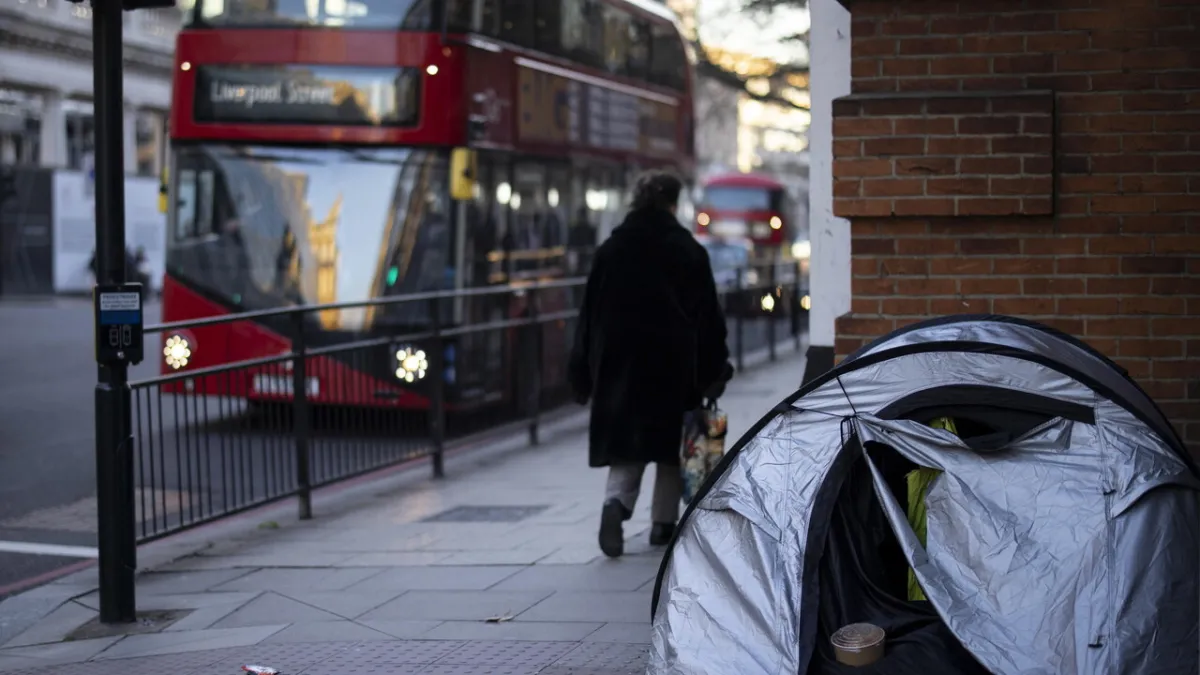
MANCHESTER – Greater Manchester Mayor, Andy Burnham, has made an ambitious pledge to end homelessness in his region, vowing that every individual without a home will have a roof over their head before the Christmas 2026 celebrations. This declaration comes with the announcement of a £500 million allocation, equivalent to approximately IDR 8.2 trillion, sparking intense discussion about the effectiveness and sustainability of long-term solutions.
This promise, delivered at a press conference in late November 2026, places addressing homelessness as a top priority for Burnham's administration. He affirmed his strong commitment to tackling the persistent social crisis plaguing major cities, including Manchester, with a concrete and results-oriented approach.
The £500 million fund plan is designed to finance various initiatives. The funds will be allocated to provide temporary accommodation, construct new social housing units, and support essential programs such as mental health counseling, skills training, and job search assistance. These initiatives are expected to not only provide shelter but also pathways for social reintegration for the homeless.
Homelessness has become an increasingly complex issue in the United Kingdom, with a rising number of individuals sleeping rough or residing in emergency shelters. The global economic conditions post-pandemic and soaring inflation have exacerbated social vulnerabilities, making Burnham's efforts a crucial step in mitigating these impacts.
Several non-profit organizations and social activists have welcomed Burnham's initiative, praising it as a bold step demonstrating responsive leadership. They highlight the urgency of providing shelter, especially as winter approaches, which can save lives and offer new hope to the most vulnerable.
However, not all parties agree with the short-term focus of this 'Christmas roof' pledge. Some observers and activists demand that local and central governments invest more in sustainable, long-term solutions. They argue that resolving homelessness requires a holistic approach addressing root causes such as structural poverty, lack of affordable housing, and adequate mental health support.
Short-term promises are important for humanity, but we must not forget the importance of solid foundations, said a representative from a local NGO focused on homelessness in Manchester. The government must ensure there is a comprehensive strategy so that this problem does not merely shift but is genuinely resolved permanently.
Andy Burnham himself has a long track record of advocating for the rights of vulnerable communities. Since taking office as Mayor of Greater Manchester, he has frequently launched various social programs aimed at improving the quality of life for residents, including similar past initiatives focused on community empowerment.
The implementation of this program will involve close coordination among local government, charities, the private sector, and the community. The hope is that through this collaboration, resources can be maximized to reach every homeless individual in Greater Manchester, while also ensuring the efficient use of public funds.
Nevertheless, the challenges ahead are significant. Adequate property availability, the complexity of individual homeless needs—many of whom face issues like addiction or trauma—and potential bureaucratic resistance are some of the hurdles that must be overcome. The success of this initiative will depend on Burnham's administration's ability to navigate these complexities adeptly.
Editorial Insight:
Andy Burnham's pledge to provide a roof for the homeless by Christmas 2026, backed by a £500 million fund, is a courageous political and social move. While criticisms of short-term solutions have merit, this initiative can provide a significant moral boost and demonstrate a tangible commitment by the local government to its most vulnerable groups. The program's success will be a vital benchmark for Burnham's leadership and may inspire other cities to adopt similar approaches. However, the post-Christmas focus on affordable housing policies and sustainable social support will be key to achieving true transformative impact.