 Stefani Rindus
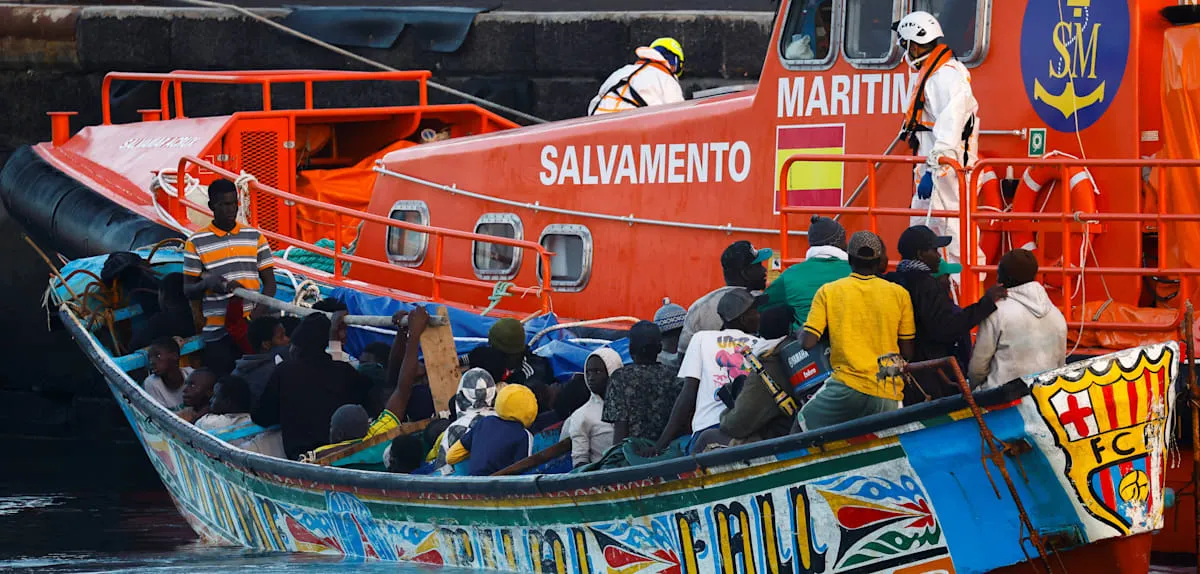
SANTA CRUZ DE TENERIFE – The Canary Islands, Spain, once again recorded a grim milestone in Europe's migration crisis in 2026. A staggering 1,580 migrants arrived on the archipelago's shores in just one day, marking a drastic surge that fuels deep concerns about reception capacity and humanitarian response.
This dramatic event unfolds amidst an unceasing wave of migration from Africa towards Europe. Migrants, predominantly from sub-Saharan countries, risk their lives traversing the perilous Atlantic Ocean, a journey often lasting days at sea in precarious boats.
Recent data reveals the composition of the arriving migrant groups. Among the thousands reaching land, there are highly vulnerable individuals, including:
- 120 women
- 173 minors
These figures underscore the urgency for more humane and coordinated handling.
El Hierro, the smallest island in the Canary Archipelago, bore the brunt of this record-breaking incident. The island's limited infrastructure now faces severe challenges in providing shelter, food, and medical services for hundreds of people simultaneously.
The Canary regional government and Spanish authorities have repeatedly called for assistance from the European Union to manage the escalating migration pressure. They assert that this situation is not merely a Spanish problem but a continent-wide humanitarian crisis demanding collective solutions.
The flow of migrants to the Canary Islands has become a primary route since increased surveillance in the Mediterranean. Thousands have perished on this dangerous journey, making it one of the deadliest migration paths globally.
2026 is poised to be a crucial period. Ongoing conflicts, climate change, and economic hardship in many African nations are expected to continue driving migration waves. This necessitates a more comprehensive approach, not only in terms of reception but also addressing root causes in countries of origin.
Humanitarian organizations on the ground report dire conditions. Temporary reception centers are overcrowded, and medical resources are stretched thin. Aid workers strive to provide first aid and psychological support to traumatized survivors.
This crisis also sparks fierce debates on the European political stage regarding burden-sharing responsibilities and the effectiveness of migration policies. Some EU member states advocate for stricter approaches, while others call for solidarity and long-term human rights-centered solutions.
The government in Madrid has pledged increased aid and coordination with the Canary Islands. However, the scale of the problem demands more than just ad-hoc responses. A long-term strategy involving international diplomacy, development aid, and safer legal migration pathways is required.
The situation in El Hierro and other Canary Islands serves as a stark reflection of the complexity of global migration challenges. Every number behind these statistics represents an individual story of desperation and hope.
Editorial Insight:
The surge in migrant arrivals in the Canary Islands in 2026 is not merely a record number; it is a serious alarm indicator for Europe. Without an integrated strategy involving the European Union holistically, encompassing emergency humanitarian aid, addressing root causes in countries of origin, and structured migration pathways, this crisis will continue to worsen. Pressure on Spain and frontline islands will intensify, potentially testing the limits of European solidarity.