 Chris Robert
BRANDENBURG — The Christian Democratic Union (CDU) in the German state of Brandenburg recently demonstrated complex internal dynamics regarding its stance on the Alternative for Germany (AfD). The leadership of the CDU's business wing (Mittelstandsunion) in Brandenburg reportedly softened an internal motion concerning the AfD, yet emphatically rejected lifting the 'Brandmauer,' or firewall, separating them from the party. This decision has sparked various interpretations across the German political landscape and drawn scrutiny from senior analysts.
This move has become a key focal point amidst Germany's increasingly fragmented political landscape in 2026. The strategic decision followed intense internal party debate on the best way to confront the continuously growing support for the AfD, particularly in eastern Germany.
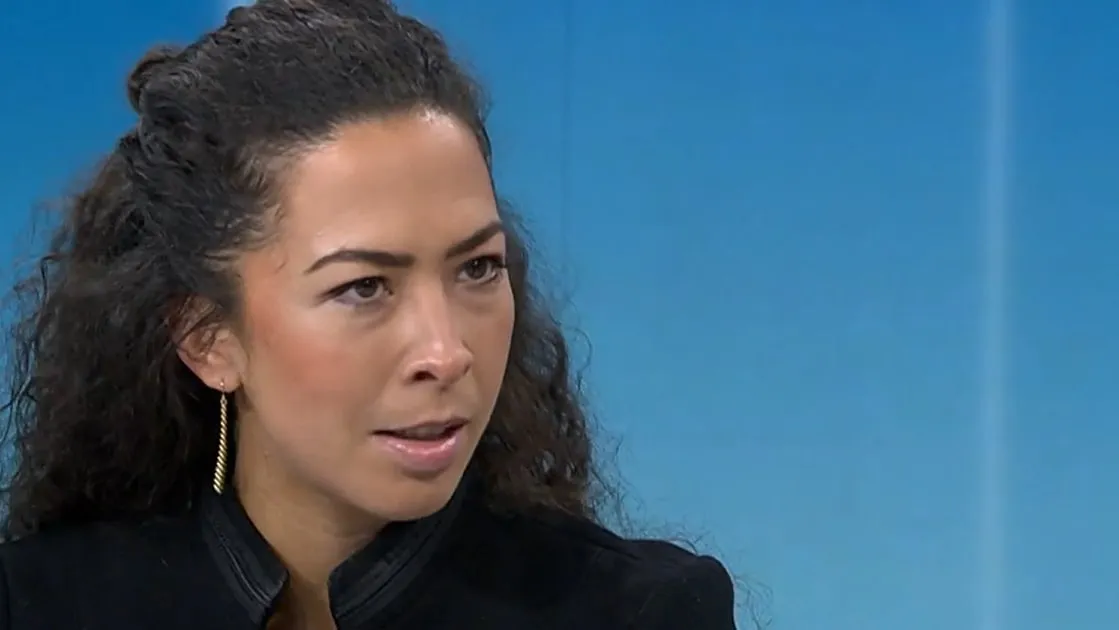
Anna Schneider, Chief Reporter for WELT, offered her perspective on the situation. “If the firewall falls, it does not mean that from tomorrow AfD economic policy applies,” Schneider stated, emphasizing that the implications of removing the 'Brandmauer' are not as straightforward as some might imagine.
Schneider's affirmation underscores the complexity of the policy. It is not merely about legitimizing the AfD, but also about how established parties will respond to an electorate increasingly drawn to the populist and anti-establishment narratives offered by the AfD.
The concept of a 'Brandmauer' itself is an unwritten political demarcation line prohibiting cooperation or coalition with extremist parties. In the German context, this has historically been applied to parties on the political extremes, including the AfD, which is often accused of harboring xenophobic and radical nationalist sentiments.
The softening of the internal motion within the CDU Brandenburg indicates pressure from some members who feel a new approach is necessary. This approach aims not to alienate AfD voters entirely but to understand their concerns without sacrificing liberal democratic principles.
However, the firm rejection of lifting the 'Brandmauer' sends a strong message. This message suggests that the CDU leadership remains committed to maintaining an ideological distance from the AfD. They believe that the party's core values cannot be negotiated with the AfD's political agenda.
This decision also reflects the CDU's attempt to navigate difficult political currents. On one hand, they must respond to the desires of a frustrated electorate seeking alternatives. On the other hand, they must maintain moral and political integrity in the eyes of the public and their European allies.
Similar dynamics are observed in other regions, as noted in the article “Intrik Kuasa AfD NRW: Pertarungan Internal Menuju Eskalasi Pemilu 2027” (AfD NRW Power Intrigues: Internal Struggle Towards 2027 Election Escalation), which illustrates the intricate internal struggles within the AfD itself.
Political observers assess that the CDU Brandenburg's decision represents an attempt to balance political pragmatism with party idealism. This is a significant gamble in anticipation of upcoming elections, both at the state and national levels.
With the German Federal Election 2029 approaching, how traditional parties like the CDU manage their relationship with the AfD will be a crucial factor. This factor will determine the political stability and policy direction of the country in the future.
This situation indicates that the debate over the 'Brandmauer' is not merely a local Brandenburg issue but a reflection of a larger challenge. This challenge is faced by Western democracies in confronting the rise of right-wing populism.
The long-term implications of this decision remain to be seen. Whether this will succeed in curbing the AfD's power or instead bolster their narrative as victims of political discrimination, only time will tell. Meanwhile, political tensions in Germany remain high, with parties continuously seeking effective strategies to secure their positions in this uncertain era.