 Chris Robert
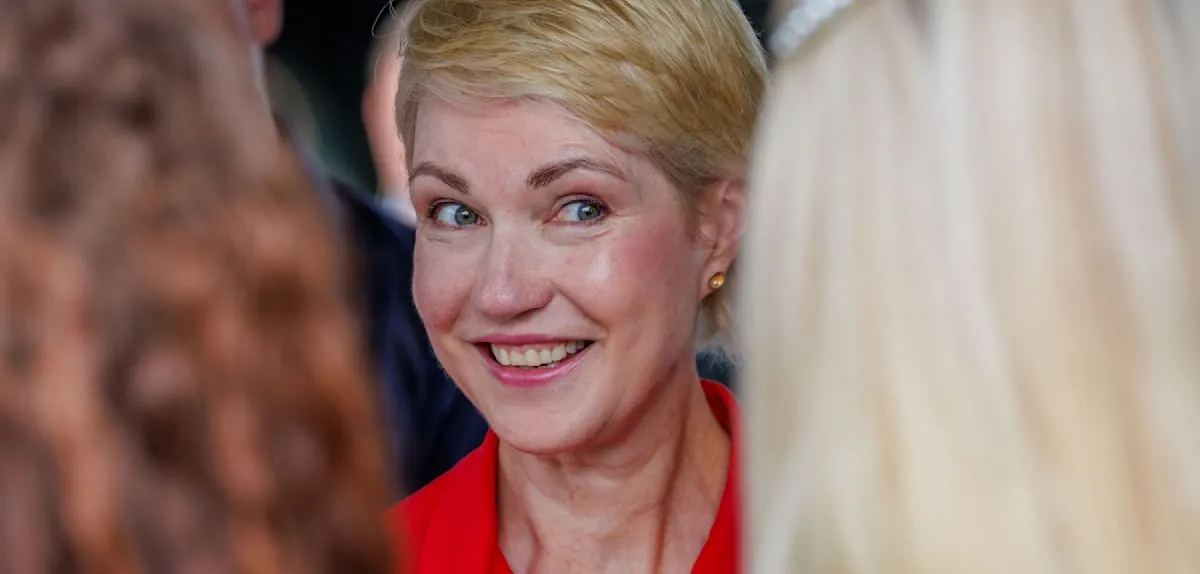
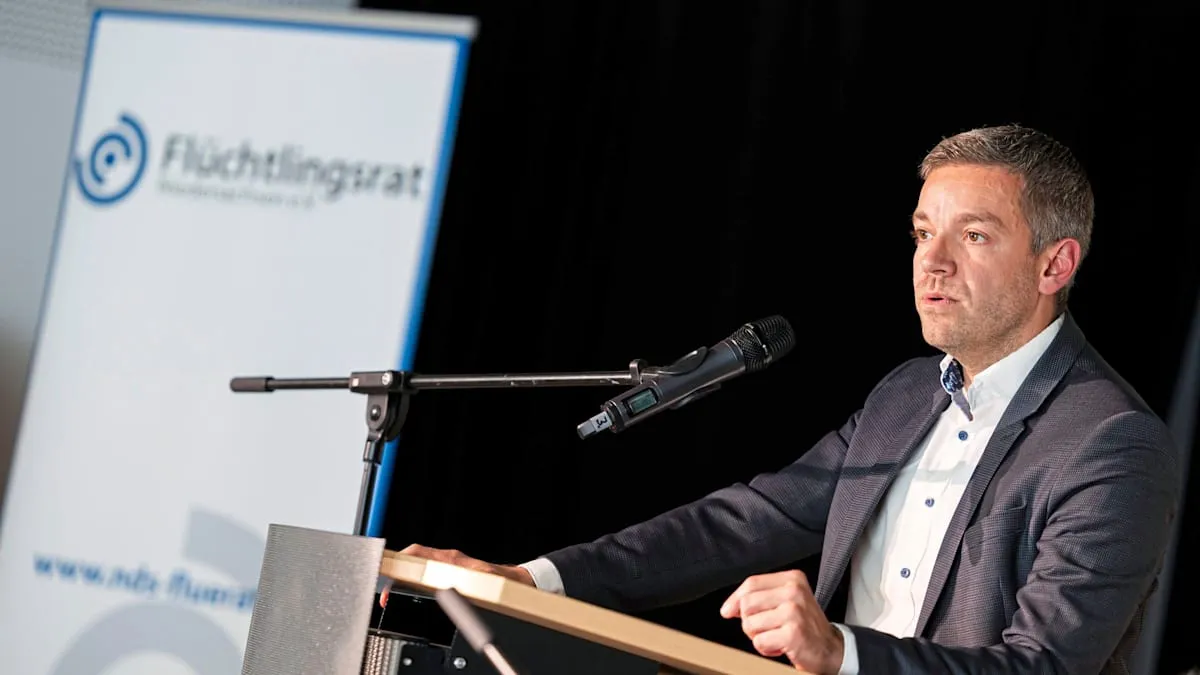
BERLIN – The Christian Democratic Union (CDU) has launched serious accusations against Norddeutscher Rundfunk (NDR), a leading public broadcaster in Germany, alleging political interference. These accusations surfaced in a sharply worded protest letter highlighting a fierce debate over the arrangement of a television debate and the potential influence of Manuela Schwesig, a key figure from the German Social Democratic Party (SPD), on the election campaign. This escalating conflict has triggered irritation and incomprehension among CDU politicians, threatening media independence amidst a tense political climate.
The escalation of the dispute centers on a planned television debate, where the CDU perceives NDR to have shown bias, or at least allowed itself to be influenced by, a specific political agenda. The letter, known as a Brandbrief, explicitly states the CDU's suspicion that NDR has failed to maintain its neutrality as a public broadcaster. This, according to the CDU, sets a poor precedent for journalistic credibility and the democratic process in Germany.
Manuela Schwesig, currently serving as the Prime Minister of Mecklenburg-Vorpommern and one of the most influential figures in the SPD, is at the heart of these allegations. The CDU suspects that Schwesig has indirectly, or even directly, taken steps that influenced NDR's decisions regarding the format or substance of the campaign debate. Such influence, if proven true, could alter the dynamics of the election campaign and provide an unfair advantage to one party.
The CDU's perspective is that transparency and equal media access are crucial pillars of fair elections. They argue that any attempt to manipulate or distort public debate platforms by political figures or broadcasters is a direct assault on these principles. The CDU's demand for NDR to provide clarification and implement corrective measures reflects their serious concerns.
NDR, as a public broadcasting institution, is mandated to serve all segments of society objectively and impartially. Accusations of this nature could significantly damage their reputation and erode public trust in mass media. An internal source at NDR, who preferred to remain anonymous, stated that the institution would review the allegations but reaffirmed their commitment to editorial independence.
This incident is not the first time concerns have arisen regarding the relationship between politics and media in Germany. Various parties often observe how interactions between politicians and information providers can become ambiguous, especially leading up to crucial moments such as general elections. Public sensitivity to the issue of media neutrality has increased with the challenges posed by fake news and disinformation.
Further analysis suggests that this incident may also reflect a broader power struggle between political parties in Germany. With elections approaching, any advantage, no matter how small, can be considered crucial. The CDU, as an opposition party to the current coalition government in several states, may see this as an opportunity to pressure its political opponents and assert its position.
It is important to note that the media's role in maintaining democratic balance is vital. Former SPD leaders once highlighted welfare mistakes that broke Germany's political 'firewall,' implicitly emphasizing the fragility of the system when fundamental principles are disregarded. This underscores that any intervention, whether intentional or not, in the media domain by political forces can have far-reaching consequences.
This polemic also raises questions about the internal oversight mechanisms within public broadcasters. Are there sufficiently robust systems in place to prevent potential interference? Or do existing structures allow loopholes for external influence? These questions become crucial to ensure that journalism remains an unwavering fourth pillar of democracy.
Amidst the heated political dynamics, Banaszak also once urged the CDU not to build new walls in German politics, a relevant warning given the current tensions. These accusations against NDR, if not handled transparently, have the potential to deepen polarization and exacerbate a climate of distrust between institutions.
Future developments will heavily depend on how NDR responds to these accusations and whether an independent investigation will be conducted. The public awaits clarity on whether any ethical or even legal breaches have occurred, or if this is merely part of the political maneuvering leading up to the election. Public trust in media and democratic institutions is at stake.
Editorial Insight: The CDU's accusations against NDR are more than just an inter-institutional conflict; they represent a significant gamble for media independence in Germany. If the alleged political interference is proven, it could severely damage public trust in journalism and public broadcasters, opening a path for future information manipulation. This situation demands full transparency and accountability from all parties to safeguard a healthy democratic pillar.