 Debby Wijaya
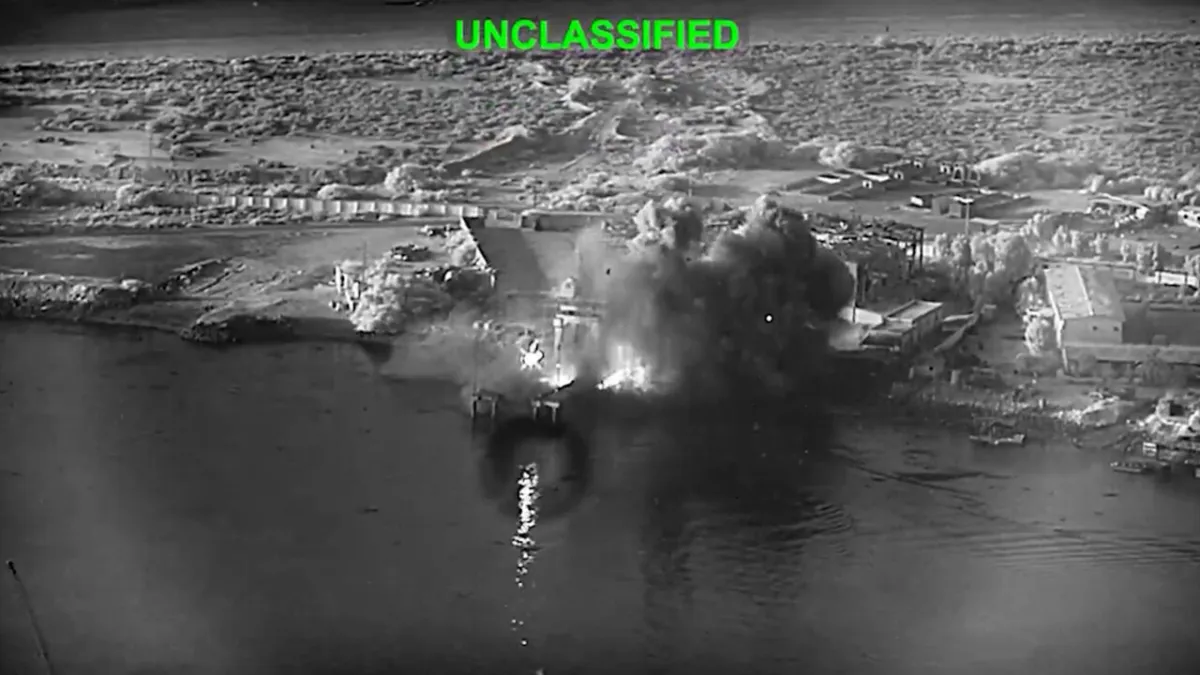
TEHRAN – The United States Central Command (CentCom) has confirmed the commencement of a new cycle of attacks against several targets in Iran. This statement follows reports of active air defense systems in the capital, Tehran, and a series of explosions that rocked several major cities across the country in the early hours of the local time. This escalation sparks global concern over the potential worsening of the conflict in the Middle East.
This incident marks a new chapter in the long-simmering tensions between Washington and Tehran. Initial reports from various international news agencies indicated that explosions were heard at strategic locations, including military facilities and other critical infrastructure. However, details regarding specific targets and the extent of the damage are still being verified.
The Iranian government, through its Ministry of Foreign Affairs, promptly issued a strong statement condemning the aggression. They affirmed their full right to respond to any military action threatening national sovereignty and security. A ministry spokesperson also called on the international community to pressure the United States to cease provocations that could exacerbate regional stability.
For some time now, relations between the two countries have been at an all-time low. Issues surrounding Iran's nuclear program, economic sanctions, and accusations of support for regional militia groups have been primary drivers of instability. International political analysts view these attacks as a firm response from Washington to Iranian activities deemed disruptive to their interests in the Persian Gulf region.
Sources from Western intelligence, who wished to remain anonymous, stated that these attacks are designed to cripple specific Iranian military capabilities without triggering a full-scale conflict. However, the level of Iranian defense readiness, especially around Tehran, indicates that they anticipated potential retaliatory strikes.
In the regional context, this heightened tension could potentially draw neighboring countries into the conflict's vortex. Arab states in the Gulf, which have complex relationships with both sides, are likely to face significant geopolitical dilemmas. The stability of global oil supplies also becomes a primary concern for world markets.
Some geostrategy experts suggest that the US strategy appears to aim for maximum pressure, similar to previous eras that sought to force Iran back to the negotiating table. This recalls the period when the United States also pressured Iran regarding compensation for ship damage, an incident that significantly fueled the conflict as reported in Trump Forces Iran to Compensate for Ship Damage, Conflict Heats Up!.
Responses from US and Iranian allies globally are still awaited. The European Union, which often calls for peaceful dialogue, is expected to issue an urgent statement to de-escalate the situation. Similarly, Russia and China, as important partners of Iran, are likely to condemn unilateral US actions.
The situation on the ground remains highly dynamic. Residents in Tehran and other cities are reportedly on high alert, with increased security patrols and periodic air defense sirens. Iranian local media urged the public to remain calm but vigilant for further developments.
The United States government itself has not officially released operational details of these attacks, beyond the initial confirmation from CentCom. They merely emphasized that this step is part of efforts to maintain regional security and stability, and to protect US and allied interests.
It is important to remember that in this year of 2026, global political dynamics are increasingly complex. The balance of power in the Middle East continues to shift, and every military move, no matter how small, can trigger a chain reaction that is difficult to predict. The international community urges all parties to exercise restraint and seek diplomatic solutions to prevent a broader escalation.