 Dodi Irawan

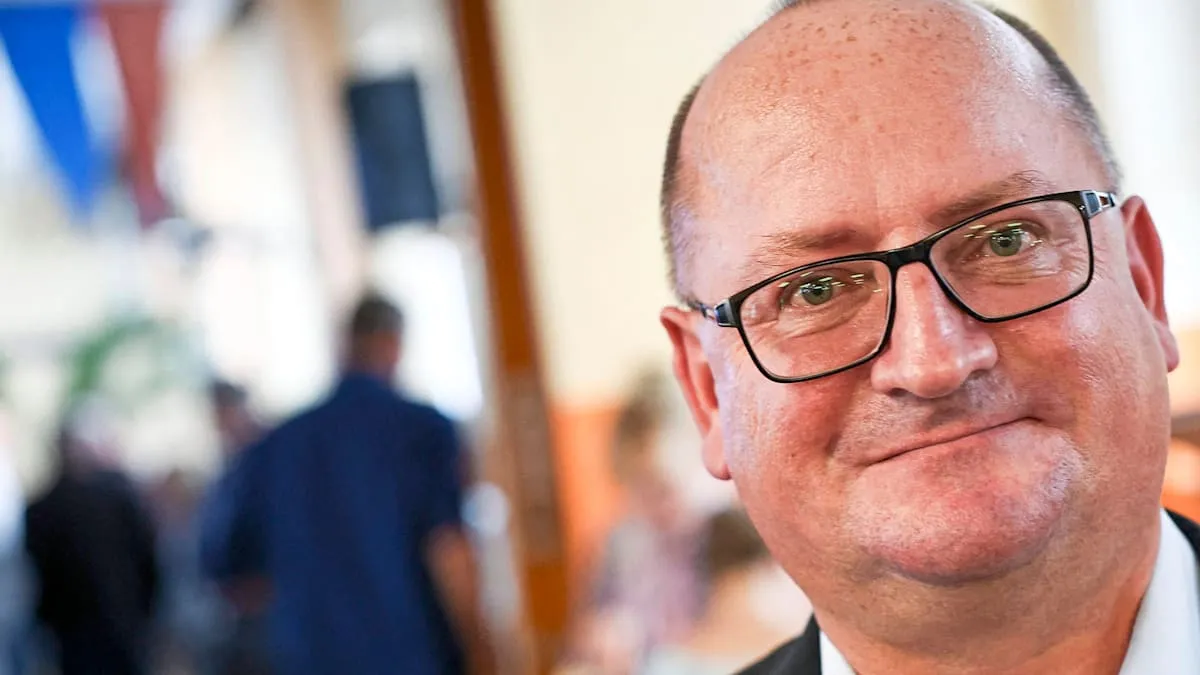
BERLIN — Daniel Bayen, a 25-year-old man from Germany, is now under international public scrutiny after openly acknowledging his profession as a full-time sperm donor. Bayen's unique approach promises significant advantages for women seeking alternatives to conventional sperm bank services, yet his practice also raises a series of complex ethical questions and legal risks.
The phenomenon of private sperm donation, as practiced by Bayen, is not new, but making it a primary source of livelihood underscores the shifting landscape of assisted reproduction in this modern era. Bayen offers a more personal and transparent relationship, an aspect often not found in anonymous and highly institutionalized sperm bank systems.
In his statements, Bayen claims he can provide greater flexibility, including direct interaction with prospective mothers or couples, and the potential for deeper transparency regarding genetic information. This is a strong appeal for those desiring a personal connection in a donation process that is typically very sterile and impersonal.
Bayen has set a limit on the number of children he intends to father through sperm donation, a personal decision he says is to maintain ethical balance and responsibility. This limitation aims to prevent potential future issues, including accidental kinship or other social implications.
Nevertheless, the practice of private sperm donation carries considerable risks. Unlike traditional sperm banks, which are strictly regulated by laws and health protocols, private donations often lack oversight. This includes inadequate medical screening, the absence of clear legal protections for all parties, and the potential for future disputes.
Legal and reproductive ethics experts in Germany have long warned about the legal ambiguities surrounding private sperm donation. Questions regarding the child's right to know their biological father's identity, the donor's financial obligations, and custody rights are crucial issues not yet fully resolved within the existing legal framework in 2026.
Cases in other countries demonstrate how a lack of regulation can lead to serious social and legal consequences. For example, questions about the recognition of biological fathers and child support obligations, as discussed in the article \"Single Mother's Dilemma: Child Claims a Father, Is the State Obligated to Pay Child Support?\", become increasingly relevant in the context of private donations.
Comparisons with conventional sperm banks operating under strict standards, such as comprehensive health screenings, limits on the number of donations per donor, and accurate medical record-keeping, highlight security gaps in the private approach. The safety and health of recipients and the children to be born should be the top priority.
Discussions about the rights of children conceived through sperm donation are also intensifying. Many advocacy organizations argue that these children should have full rights to access information about their donor's identity upon reaching adulthood, a right often threatened in less documented private donation schemes.
Daniel Bayen's decision to make sperm donation a full-time profession indirectly forces us to reconsider the definition of family, the role of reproductive technology, and the ethical boundaries in contemporary society. This is not just about individual choice, but also about how society regulates and protects the rights of all involved parties.
The German government and the European Union are expected to review and update the regulatory framework for assisted reproductive services, particularly sperm donation. The goal is to create a safe, fair, and transparent environment for donors, recipients, and especially children born from this process.
This debate is not only happening in Germany but also echoing in various parts of the world. With advancements in science and technology, the need for an adaptive ethical and legal framework becomes increasingly urgent to maintain human dignity in every reproductive innovation.
Phenomena like Daniel Bayen's reflect the inevitable social dynamics and medical advancements. The challenge is to find a common ground between individual reproductive freedom and collective protection against potential future risks. This is a crucial and evolving narrative in global journalism in 2026.",
"excerpt": "Seorang pria muda Jerman memicu perdebatan global setelah menjadikan donor sperma sebagai profesi penuh waktu, menyoroti etika dan risiko praktik reproduksi asistensi pribadi.