 Debby Wijaya
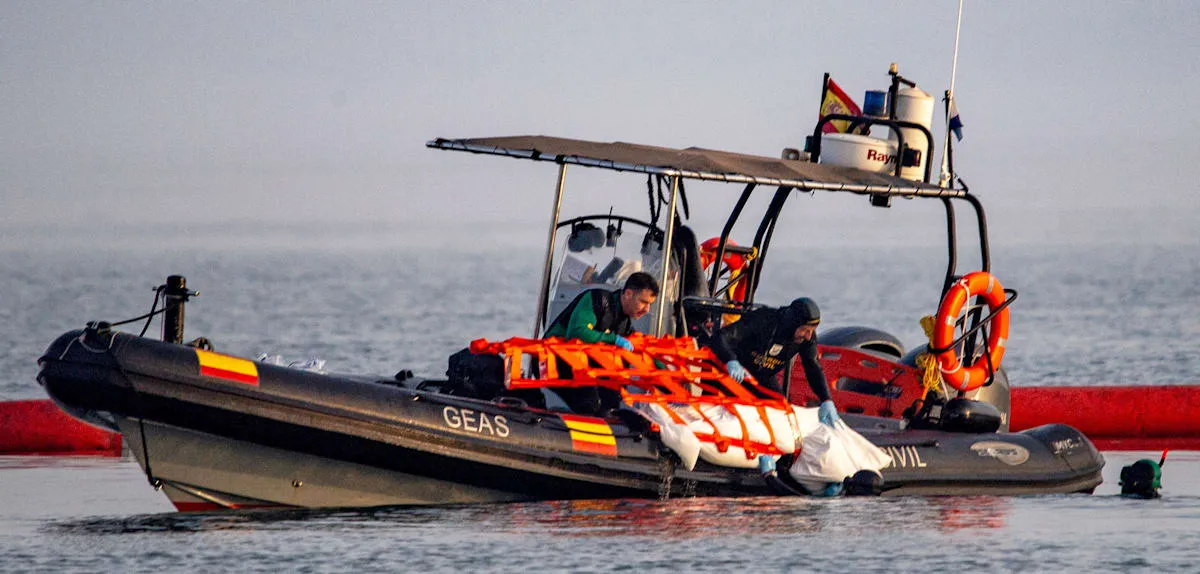
Ceuta — The death toll from the migrant crisis in the Spanish enclave of Ceuta drastically increased to 72 by mid-2026. Spanish police continue their search operations for bodies in and around Ceuta's waters and land, while the humanitarian and political situation at this European border point escalates. The European community is urging the European Border and Coast Guard Agency (Frontex) to tighten controls, sparking intense debate on migration management.
The crisis in Ceuta, a Spanish autonomous city in North Africa, has become a central focus of European politics. Thousands of migrants, many of them unaccompanied children, attempt to breach the border into the European Union, creating immense pressure on local and national authorities.
The figure of 72 fatalities underscores the ongoing humanitarian tragedy. Most victims are believed to have drowned while attempting to swim or use makeshift rafts across the treacherous Mediterranean Sea. The process of identifying the remains poses a significant challenge for Spanish authorities.
Search and rescue operations are being intensified. SAR teams, including divers and ground units, are scouring the coastline and suspected maritime areas where migrants might have been lost. These searches are conducted relentlessly, with the hope of finding more victims and providing closure to their families.
At the political level, the Ceuta crisis has triggered a wave of demands from various European Union member states. Lars Klingbeil, co-chairman of Germany's Social Democratic Party (SPD), called for European unity and a collective response. "We cannot leave front-line countries to bear this burden alone," Klingbeil stated in late May 2026.
Meanwhile, Manfred Weber, chairman of the European People's Party (EPP), voiced a stronger demand. He urged for greater competencies and resources for Frontex to secure the EU's external borders. According to Weber, strengthening Frontex is key to preventing similar tragedies from recurring.
The debate surrounding Frontex's role and European migration policy is intensifying. Some criticize Frontex for being too aggressive, while others view it as the only effective defense. This discussion reflects the eternal dilemma between border control and the protection of human rights.
Conditions at the Ceuta border are reportedly dire. Temporary reception centers are severely overcrowded. Many migrants are forced to sleep on the streets, lacking adequate access to sanitation and other basic necessities. This humanitarian crisis in Ceuta is drawing global attention, particularly concerning the fate of thousands of unaccompanied migrant children caught in this situation.
Previous reports also noted startling testimonies from migrants. Some claimed that the Moroccan military allowed them to pass unhindered towards the Spanish border. These accounts add complexity to the dynamics between Spain and Morocco.
The Spanish government itself faces immense pressure. Madrid authorities are accused of failing to protect Europe's gateway from waves of illegal migrants. This criticism comes from within the country and from EU partners concerned about the negative precedent set by the Ceuta border scandal.
The threat to the EU's internal and external stability is becoming increasingly apparent. Without a comprehensive solution involving Morocco, Spain, and all EU member states, the migration tragedy in Ceuta is feared to continue, claiming more lives.
The situation in Ceuta remains a serious concern for the entire continent. Strong political commitment and cross-border cooperation are essential to end the cycle of suffering and death at one of Europe's most vulnerable border points.