 Stefani Rindus
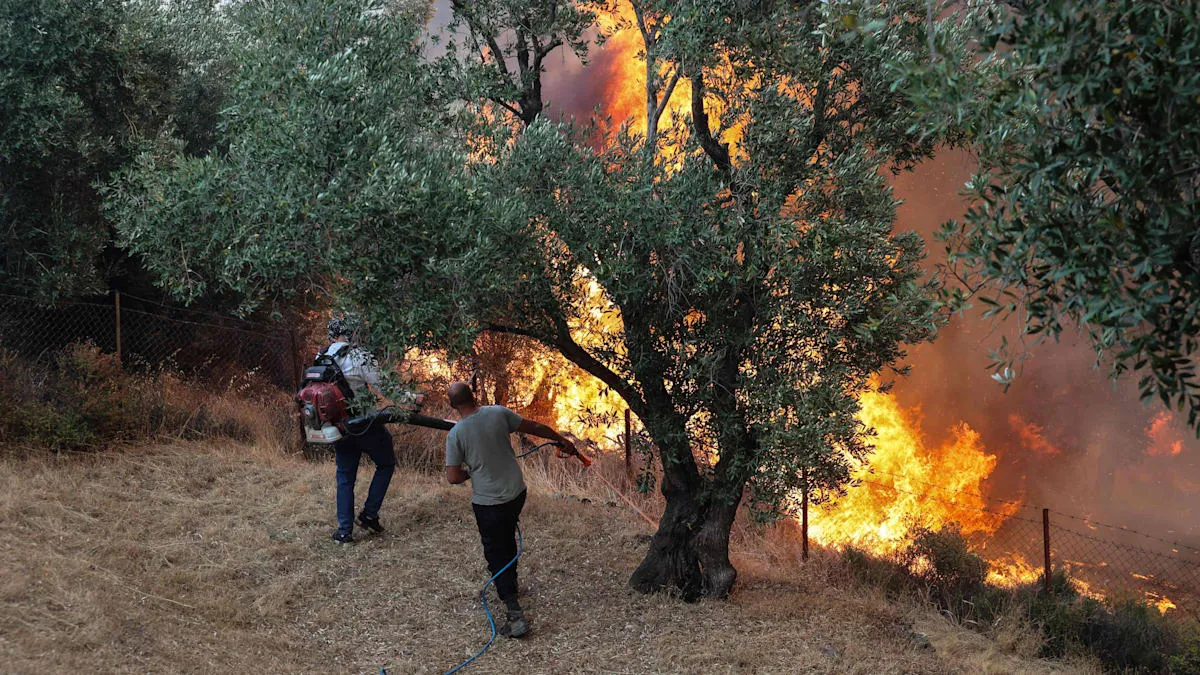
Athens — Southern Europe is once again engulfed in a serious environmental crisis as massive wildfires continue to rage across Greece and Turkey. Both nations face immense challenges from the spreading blazes, triggering large-scale evacuations and significant damage. A contrasting situation is observed in France and Spain, previously hit by similar disasters, which now show signs of easing, offering some relief amidst the global climate change threat in 2026.
The intensity of wildfires in the eastern Mediterranean has reached alarming levels. Firefighters from various regions are battling relentlessly against the infernos, fueled by strong winds and extreme temperatures. Latest data indicates that thousands of hectares of land have been scorched, threatening vital ecosystems and residential areas.
In Greece, several islands and mainland regions have been declared a state of emergency. Forced evacuations were implemented in areas such as Lesbos and Crete, considering the high risk to human lives. The Greek government, under Prime Minister Kyriakos Mitsotakis in 2026, has deployed all national resources, including support from the armed forces, to control the situation.
Tragic incidents related to wildfires are not new to Greece. Previous years were also marked by heartbreaking events, such as reports of three firefighters dying in Lesbos. These events serve as a bitter reminder of the ever-present danger.
Similarly in Turkey, provinces along the Aegean and Mediterranean coasts are experiencing severe impacts. Fires are consuming pine forests, agricultural lands, and destroying civilian properties. Local authorities, coordinated by President Recep Tayyip Erdogan, have issued stern warnings to the public and urged compliance with evacuation instructions.
Climate and environmental experts highlight the role of climate change as a dominant factor behind the escalation of these disasters. Prolonged heatwaves and minimal rainfall have created ideal conditions for fire propagation. They warn that without significant mitigation measures, the frequency and intensity of such natural disasters will continue to increase in the future.
Extinguishing efforts involve the deployment of water-bombing aircraft, helicopters, and thousands of ground personnel. International solidarity is emerging with offers of assistance from neighboring countries and the European Union. The primary focus is on protecting lives, minimizing property damage, and saving endangered biodiversity.
Nevertheless, the challenges on the ground remain substantial. Difficult geographical conditions and shifting winds often make firefighting efforts frustrating. Evacuated residents hope to return home soon, but many must face the reality of losing their belongings.
Governments in Southern Europe are urged to enhance long-term wildfire prevention and response strategies. This includes investment in firefighting infrastructure, public education on fire risks, and the implementation of adaptation policies to the increasingly urgent climate crisis.
The situation in France and Spain, although calming, remains a concern. Both countries have learned valuable lessons from previous bitter experiences, implementing effective early detection and rapid response systems. This offers hope that a comprehensive approach can be applied across all vulnerable regions.
The global scientific community continues to monitor extreme weather patterns affecting Southern Europe. Reports from the Intergovernmental Panel on Climate Change (IPCC) in 2026 confirm projections of increased temperatures and drought in the Mediterranean region, underscoring the urgency of collective action.
Many affected citizens express their concerns about the future. "We just hope the fire goes out soon so we can start a new life," said an evacuated resident from the island of Rhodes, Greece. This sentiment reflects the deep trauma experienced by communities due to a series of disasters.
In a broader context, these fire incidents add to a long list of global environmental challenges that must be addressed in 2026. Governments and international organizations are increasingly realizing that climate change is no longer a hypothetical threat but a reality that requires immediate and coordinated responses.