 Angela Stefani
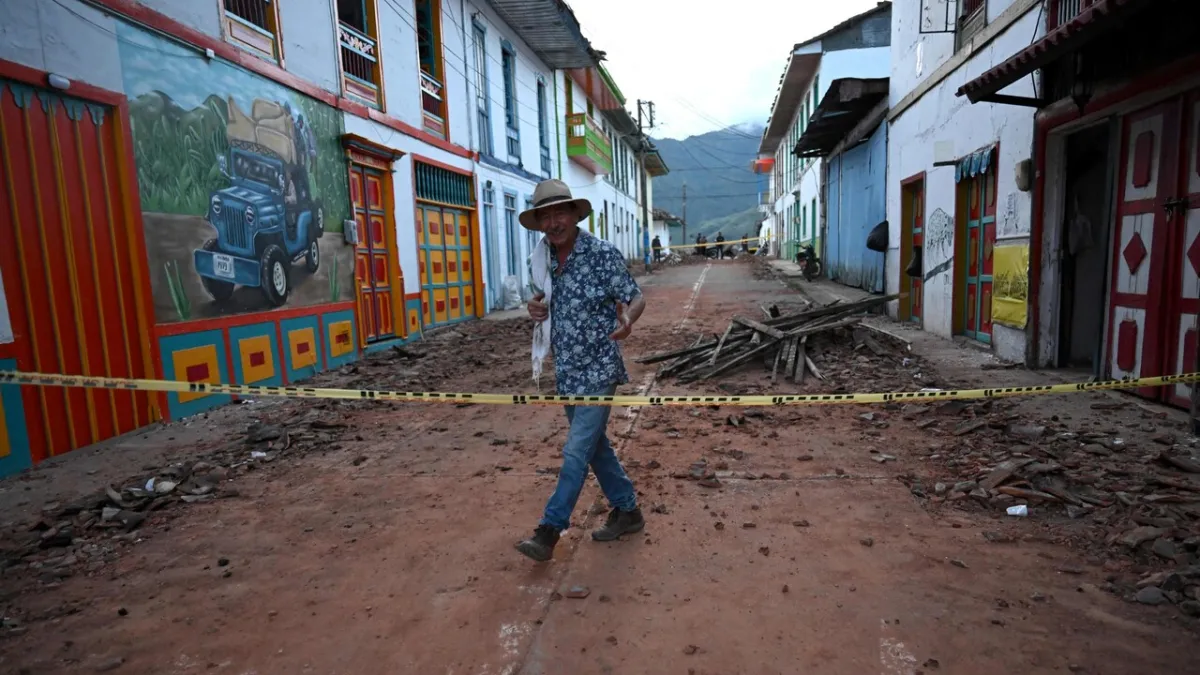
Bogota – The Colombian government has announced the reception of over 1.3 billion US dollars in international aid. This substantial fund is allocated for emergency response and reconstruction efforts following a devastating earthquake that struck the nation. Multilateral organizations stand as the primary pillars proposing this significant assistance, marking a global commitment to Colombia's recovery in 2026.
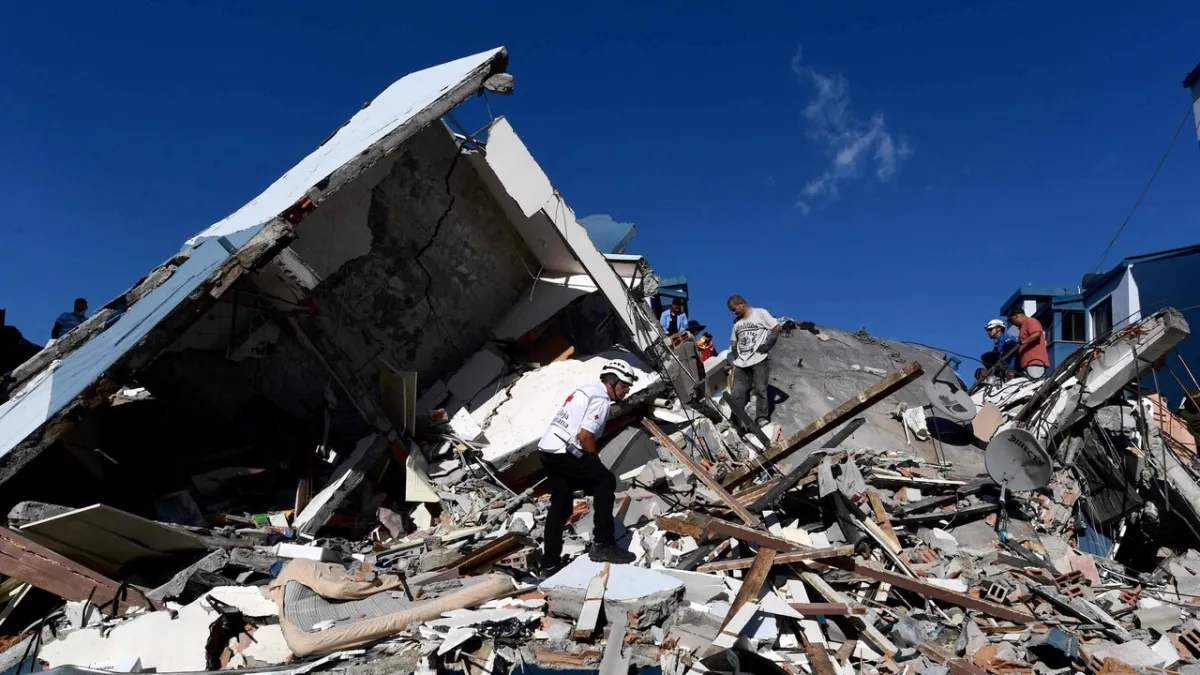
This aid follows a series of high-magnitude earthquakes that decimated vital infrastructure and caused countless casualties and property losses. The scale of the damage demands a swift and coordinated global response, given Colombia's limited self-capacity amidst a multidimensional crisis.
Immediately after the disaster, the Colombian Government, under its President's leadership, established an emergency task force to identify urgent needs and formulate a long-term recovery plan. Initial assessments indicate a massive funding requirement to rebuild homes, health facilities, schools, and repair disrupted road and communication networks.
Various multilateral organizations, including the World Bank, the International Monetary Fund (IMF), and the United Nations (UN) through its humanitarian agencies, promptly offered support. The proposed aid encompasses a broad spectrum, from providing basic necessities like food and medicine to soft loans for infrastructure projects.
The 1.3 billion US dollars fund is not merely in the form of direct grants but also concessionary loans and technical support. Much of it will focus on restoring the most affected areas, including rural regions often isolated and vulnerable to natural disasters.
Logistical challenges in difficult terrain, coupled with the risk of aftershocks, pose major obstacles to aid distribution and the implementation of reconstruction projects. Therefore, the speed and efficiency of fund and material delivery are crucial to prevent a more severe humanitarian crisis.
Initial reports from humanitarian agencies, as conveyed by the United States Geological Survey (USGS) in a separate analysis, indicate that the number of missing persons and deaths in Colombia post-earthquake has reached alarming figures. 'Colombia Strangled by Grief: Thousands Missing, One Thousand Deaths Estimated by USGS' reads one related article describing the harrowing situation on the ground. Colombia Strangled by Grief: Thousands Missing, One Thousand Deaths Estimated by USGS.
'This international commitment offers a glimmer of hope for millions of Colombians who have lost everything,' stated a spokesperson for the Colombian Ministry of Foreign Affairs in a virtual press conference. 'We are grateful for this invaluable global solidarity and will ensure every dollar of aid is used transparently and effectively.'
The Colombian government also emphasizes the importance of rebuilding with a more disaster-resilient concept (build back better). This includes implementing stricter construction standards and developing more advanced early warning systems to mitigate the impact of similar disasters in the future.
International solidarity towards Colombia reflects a global concern for the impacts of climate change and the vulnerability of developing countries to natural disasters. It is hoped that these joint efforts can serve as a model for future disaster responses, affirming that humanity stands strong in the face of adversity.
Editorial Insight: The substantial financial aid from the international community, amounting to over 1.3 billion US dollars, is a vital lifeline for Colombia as it struggles to recover from the devastating earthquake. However, the true challenge lies in the effectiveness and transparency of managing these funds. The Colombian government must ensure targeted allocation, especially for basic infrastructure and direct assistance to victims. Without solid management, even such a large sum could be lost in bureaucracy, leaving the populace to suffer longer. The success of Colombia's reconstruction will serve as a barometer for the efficacy of global humanitarian aid amidst increasingly complex crises.