 Dodi Irawan
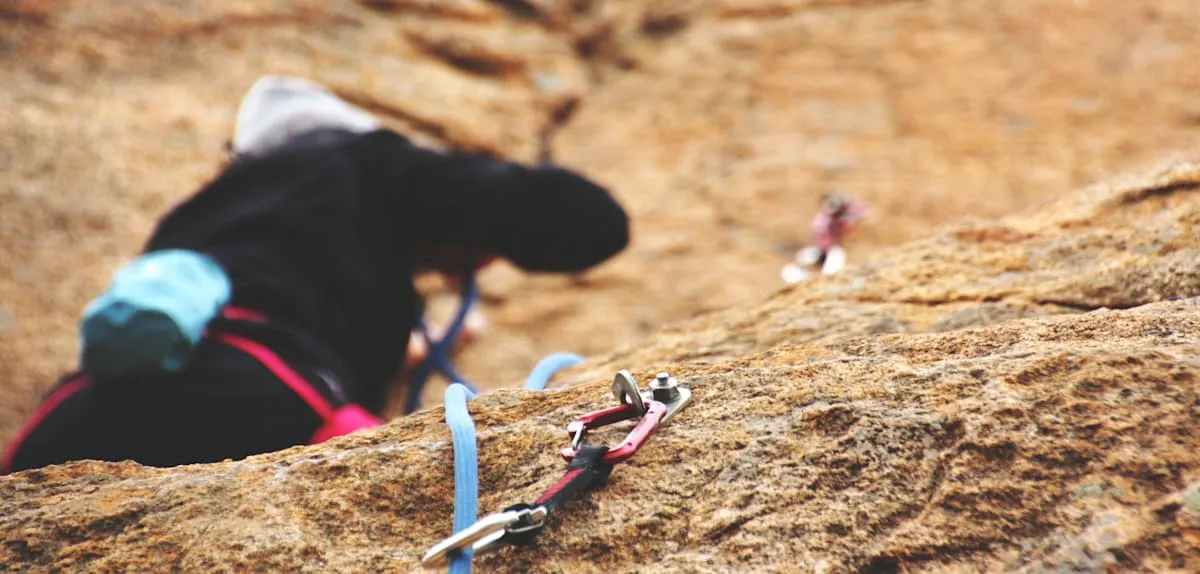
ALPINE REGION — A serious incident has shaken the climbing community after an 18-year-old young man reportedly fell over ten meters in a designated climbing area, known as a klettergarten. This tragic accident occurred while he was on a guided tour, but is strongly suspected to have been caused by the negligence of his companion responsible for securing the rope. The victim survived, albeit with severe injuries, raising deep concerns about the safety standards of this extreme sport, particularly for novices.
The unfortunate event underscores the crucial importance of skill and experience in rock climbing activities. Sources indicate that both the victim and his companion, who was responsible for belaying, were novices in the sport. They were even observed practicing rope-securing techniques just before commencing the climb, a fact that is now central to the investigation.
The importance of mastering rope-securing techniques, or belaying, cannot be overstated. In rock climbing, this safety system serves as the primary support to prevent a climber from free-falling. Even the slightest negligence in this procedure can have fatal consequences, as nearly occurred in this klettergarten incident.
Initial investigations suggest that lack of experience was a dominant factor. The fact that the victim survived with severe injuries serves as a stark reminder of the inherent risks in extreme sports if not undertaken with adequate preparation and supervision. The injuries sustained by the victim include serious physical trauma, requiring intensive medical care.
Climbing safety experts often emphasize that supervision by experienced instructors is absolute, especially for those new to rock climbing. Basic errors in operating safety devices can lead to fatal accidents, which can be avoided through rigorous training and professional oversight.
This incident also raises questions regarding the qualification standards for climbing tour operators, especially if participants and accompanying guides both have minimal experience. Every guided tour should guarantee the safety of its participants by employing guides who are not only proficient in climbing techniques but also skilled in risk management and emergency procedures.
Cases of negligence in extreme sports are not new. Given the significant potential for danger, every individual involved, both the climber and their companion, bears great responsibility for each other's safety. Legal action may follow a thorough investigation into this incident to determine the extent of liability.
In the context of global climbing safety, similar incidents frequently draw attention. For instance, tragedies affecting climbing teams in mountain expeditions such as The Broad Peak Tragedy of 2026 demonstrate how quickly situations can turn fatal even for experienced climbers. The lesson from every accident is the importance of re-evaluating safety protocols.
The rock climbing community, both amateur and professional, is expected to draw valuable lessons from this event. Continuous education on correct techniques, proper equipment use, and awareness of one's own and one's climbing partner's limitations are crucial to prevent similar incidents from recurring.
Local authorities continue to conduct a thorough investigation to gather all facts related to this accident. The primary focus is on the security procedures used and the training backgrounds of both individuals. The investigation results are expected to provide full clarity and serve as a basis for improving safety regulations in rock climbing sports.