 Robert Andrison
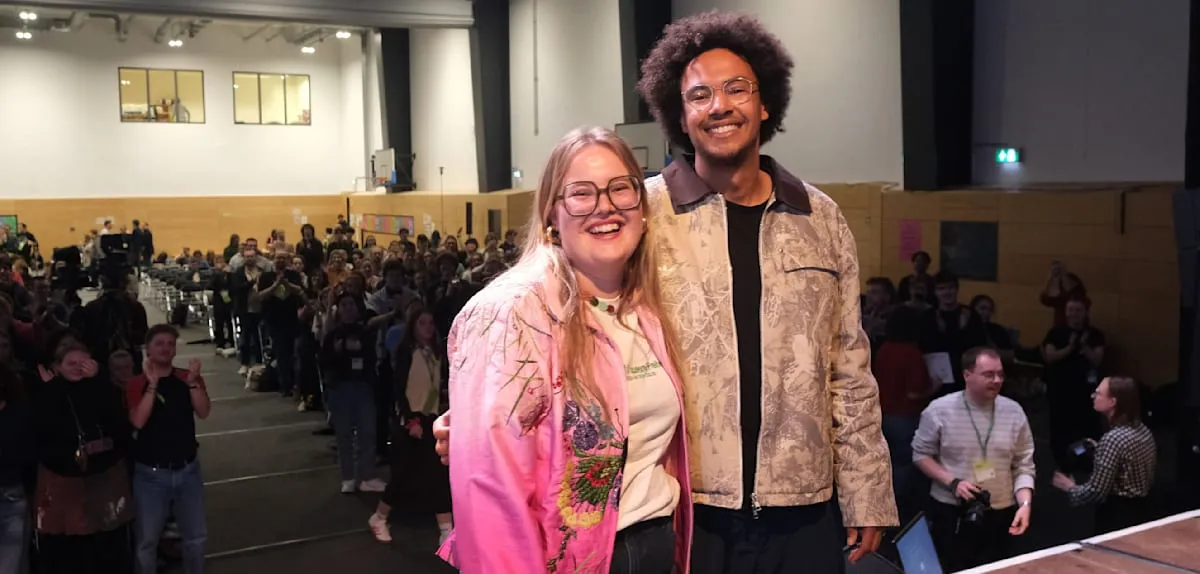
LEIPZIG – A major gathering of the Grune Jugend, the youth organization of Germany's Green Party, in Leipzig recently ignited intense internal tensions. A controversial call instructing 'cis-men' to immediately leave the room sparked a fierce debate that shook the political stage. This incident also unveiled sharp criticism against the party's senior leadership, including several chairs and veteran politician Cem Ozdemir, marking a deepening ideological rift within the green movement as 2026 approaches.
Internal sources reported that the instruction emerged during a discussion session focused on gender equality and inclusivity issues. While its aim was to create a safe space for specific groups, its implementation instead caused controversy, interpreted by some as discriminatory and exclusive.
Furthermore, the forum became an arena for radical elements within the Grune Jugend to launch verbal attacks against central figures of the Green Party. They accused the party leadership of being too moderate and betraying the leftist principles that formed the movement's initial foundation. Cem Ozdemir, a figure known for his pragmatic positions in coalition governments, became a primary target of harsh criticism.
Several political observers view this incident as a clear indication that the Grune Jugend is moving increasingly to the left, even beyond the Green Party's official policy lines. This perspective aligns with findings suggesting that their rhetoric is now more radical than the substance of the programs advocated by the parent party.
Historically, the Grune Jugend has always been the progressive wing of the Green Party, often pressing the parent party to adopt more ambitious policies, especially on environmental and social issues. However, the escalation of internal tensions this time is considered different, indicating a potential for more serious cracks.
This event certainly carries significant implications for the German political landscape, especially with federal elections approaching in 2026. Internal divisions could weaken the Green Party's bargaining position with voters, who might seek stability and consensus amidst escalating global challenges.
As of this reporting, there has been no official statement from the Green Party leadership regarding the specific incident in Leipzig. However, senior politicians will likely face pressure to respond to the evolving dynamics within their youth organization, which could affect the party's overall image and public perception.
The young members of Grune Jugend demand radical reforms in social and economic policies. They criticize what they perceive as excessive compromises by the Green Party in the coalition government, especially concerning climate change and social justice issues. The demand to dismantle patriarchy and hierarchical structures in society lies at the core of their movement.
Criticism against Ozdemir, for instance, centered on his role in policy negotiations deemed too 'mainstream' or 'conservative' by the leftist faction. Some Grune Jugend members even implied that the veteran politician had lost touch with the grassroots of the progressive movement.
These tensions are not merely an intergenerational friction but a reflection of a larger ideological upheaval within Germany's left spectrum. How the Green Party balances the radical voices of its youth with the need to appeal to a broader electorate will be a crucial test for the party's future.
In the dynamic context of German politics, major parties like the CDU and SPD also face their own internal challenges. An article titled CDU Accused of Fearing Women in Power: SPD Counter-Attack Shakes Germany previously highlighted debates about gender representation in other parties, showing that identity and power issues are battlegrounds across the political spectrum. Meanwhile, the Green Party itself is part of coalition governments in several states, as seen in the success of Berlin's Breakthrough in housing agreements.
Editorial Insight: The incident in Leipzig reaffirms the latent challenges faced by established political parties in Europe, particularly when confronting radical aspirations from their youth wings. Grune Jugend, with its revolutionary spirit and demands for deep structural change, potentially serves as a double-edged sword for the Green Party. On one hand, they bring energy and fresh ideas; on the other hand, extreme rhetoric and actions can alienate a more moderate voter base, even jeopardizing coalition stability in the future. The balance between youthful idealism and political pragmatism will be key to the Green Party's continued relevance on Germany's national stage.