 Dodi Irawan
TERMOLI – Hundreds of merchants in Termoli, a vital coastal city in Italy, are now staring into an economic abyss. A nationwide strike launched by truck drivers has paralyzed the supply chain, brought sales to a complete halt, and forced small and medium-sized businesses in the local market to declare, 'we no longer sell'. This situation, which emerged in early 2026, has reached a 'point of no return', threatening the livelihoods of thousands of families.
The crisis originated from a solidarity action by truck drivers demanding improved working conditions and suffocating operating costs. The strike, which some sources indicate has involved thousands of individuals, effectively blockaded the distribution of essential goods to various regions, including commercial hubs like Termoli. The impact is immediately felt: store shelves are empty, traditional market stalls are deserted, and merchant incomes have plummeted drastically.
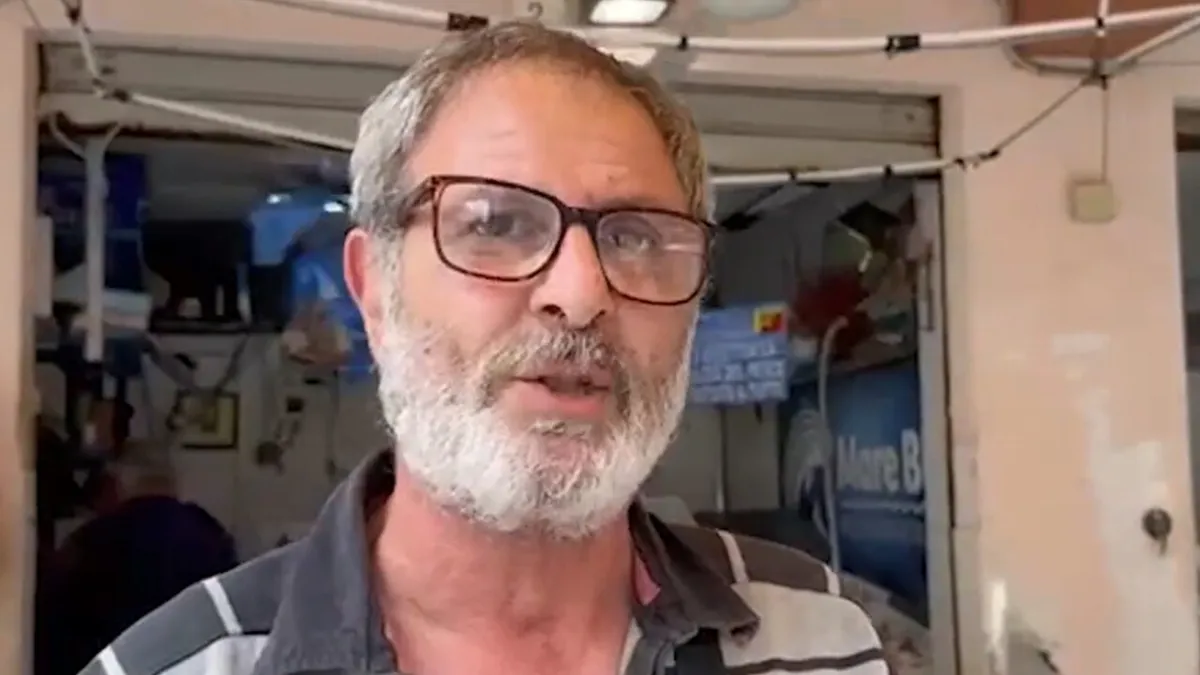
A vegetable vendor at Termoli's Central Market, who preferred to remain anonymous, expressed his despair. 'How can we sell if there's no supply? Vegetables rot in stalled trucks, or never even reach the city. This is hell,' he stated bitterly. This sentiment reflects the dire conditions affecting many of his peers.
Ironically, amid this desolation, market operators in Termoli have shown strong solidarity with the striking truck drivers. 'We stand in full solidarity with the drivers and the entire supply chain. We understand their struggle,' read an official statement issued by the local merchants association. This solidarity indicates that the underlying issues behind the strike are not isolated, but rather a reflection of broader discontent within Italy's economic system.
Truck driver blockades in Italy are not a new phenomenon. Repeatedly, similar actions have caused significant disruption to vital infrastructure, including airports and highways, particularly in the southern regions which are already vulnerable to socio-economic turmoil. In previous years, truck strikes also paralyzed all of Italy, causing billions of euros in losses and raising concerns about supply availability.
Although the Italian government, under the leadership of Prime Minister Giorgia Meloni, previously asserted that essential supplies remained secure, the reality on the ground, especially in Termoli, appears different. Merchants report that these promises have not materialized, and they are the ones directly experiencing the consequences of inadequate policies or delayed solutions.
This crisis is not merely a supply problem; it is also a gamble on the socio-economic structure of local communities. When merchants cannot sell, the small economic wheels stop turning. This domino effect will spread to other sectors, from farmers to end consumers, creating a micro-recession spiral that could have macro impacts.
A local economist, Dr. Giovanni Rossi, explained, 'When the distribution sector collapses, the entire trading system is disrupted. The government needs to intervene quickly and concretely, not just with rhetoric, but with real solutions that address the root causes for both drivers and merchants.'
The demands of the truck drivers, which include lower fuel costs, fair wages, and more humane working conditions, are often ignored until they reach a boiling point. The solidarity of Termoli's merchants with the striking drivers highlights that both parties, though at different ends of the chain, are feeling systemic pressure.
The situation in Termoli serves as a grim portrait for many other small Italian cities highly dependent on smooth supply chain operations. If the government fails to find comprehensive solutions soon, this 'point of no return' may become a bitter reality for more businesses across the country.
Editorial Insight: The upheaval in Termoli is a strong indication that the issues of supply chain and working conditions in Italy's logistics sector remain fundamentally unresolved. The solidarity of merchants with truck drivers, paradoxically, demonstrates a shared understanding of the economic pressures faced. This is not merely a trade crisis, but an alarm for the government to re-evaluate economic policies and support for the transportation sector and small businesses. Without effective intervention, Italy risks facing a broader wave of local recessions, threatening national economic stability in 2026.