 Angela Stefani
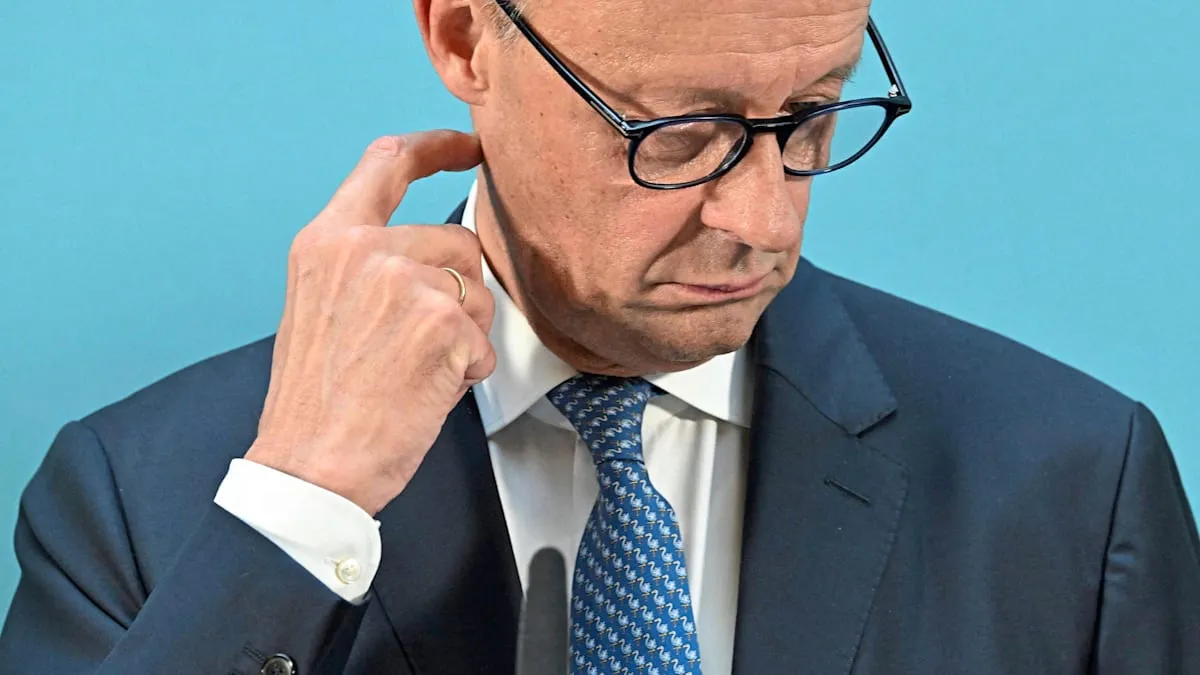
BERLIN — Germany's Christian Democratic Union (CDU) finds itself in one of its most severe crises in recent history, triggered by a series of internal personnel disputes. Christian Bäumler, Deputy Chairman of the Christian-Democratic Employees (CDA), emphatically stated that this situation erodes the party's foundation of credibility and questions their ability to lead the country heading into 2026. This crisis strikes at the core of public trust in Germany's largest opposition party.
Bäumler, an influential figure within the conservative labor faction, highlighted the urgency of internal reforms. He stressed, "It's about credibility, about the ability to lead a country. We must get significantly better there." This statement is not merely a critique but a call for deep introspection amidst the political turmoil afflicting the party.
The personnel disputes, though not specifically detailed, are presumed to involve power struggles and differing strategic visions among the party elite. This situation creates an impression of fragmentation, which naturally has a negative impact on the CDU's image in the eyes of voters and political observers. The public is closely watching how the party will resolve its internal conflict.
The CDU's internal crisis comes at a crucial time for the German political landscape. With upcoming elections, public expectations for a solid and cohesive party to offer an alternative leadership are very high. However, these divisions dim those prospects, making the path to regaining trust even steeper.
The impact of this crisis is not only felt internally within the party but also extends to the national political arena. Concerns about the country's stability and policy direction often arise when major parties experience upheaval. Germany, as a key economic and political power in Europe, requires firm and unified leadership.
Christian Bäumler's statement reflects widespread apprehension among party members and CDU supporters. They yearn for a party that is not only capable of uniting but also effective in articulating its vision and mission for Germany's future. Without substantial improvements, the CDU's credibility as a serious challenger for power will continue to be questioned.
For instance, political dynamics in several states show significant challenges for established parties. Parties like the AfD continue to gain electoral support, as seen in the report "Germany Shaken: AfD Firmly Controls Saxony-Anhalt, Political Map Drastically Changes". This reality demands that the CDU act swiftly and strategically.
Several political analysts believe that the CDU leadership, including Party Chairman Friedrich Merz, faces intense pressure. The article "Merz Cornered Post-Election: Chancellor Abandoned by His Own Party?" highlights how central figures in the party often face similar dilemmas in the past, indicating that leadership crises are not new, but the scale of this current crisis is severe.
Germany is now at a crossroads. The credibility of political institutions, especially major parties, is vital for maintaining democratic stability. The CDU's internal struggle is not merely their internal problem but a reflection of broader challenges facing the German political system.
The public awaits a concrete response from the CDU to address this issue. Hope rests on the ability of party leaders to embrace differences, build consensus, and refocus on national interests above personal ambitions. Only then can the CDU regain public trust and assert its position as a credible political force capable of leadership.