 Gabriella

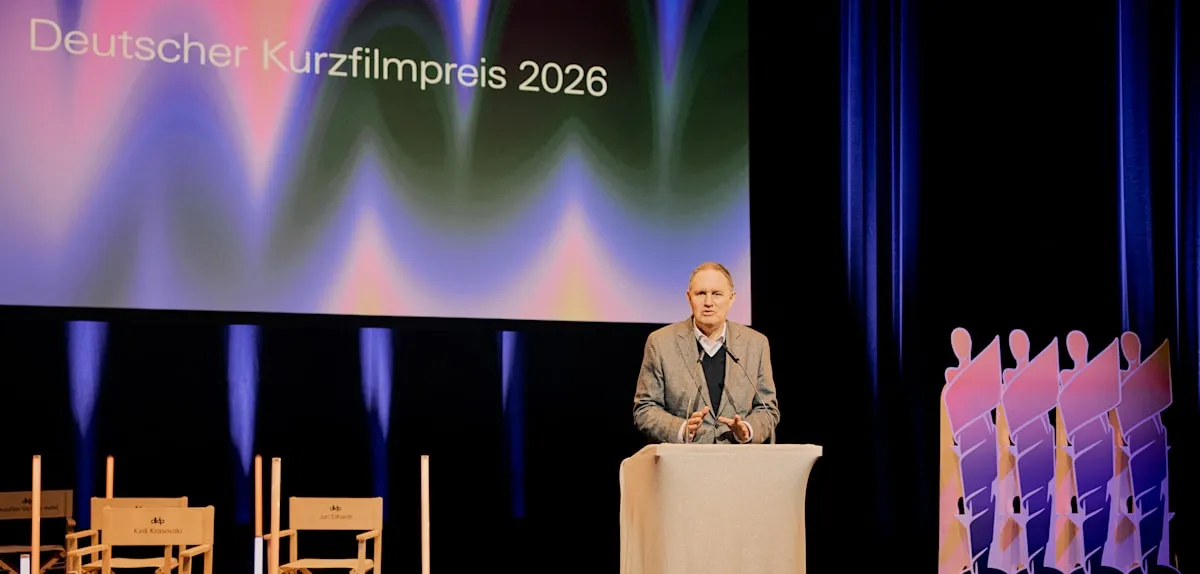
BERLIN – Germany's Christian Social Union (CSU) recently announced plans to implement more significant deductions for individuals opting for early retirement. Alexander Hoffmann, Chairman of the CSU State Group, asserted this measure is 'long overdue' to ensure the sustainability of the national pension system. This controversial policy, expected to be a key agenda item in 2026, has ignited fierce debate regarding the future of the country's social safety net.
Hoffmann's proposal details an increase in the monthly deduction percentage that those choosing to leave the workforce before the standard retirement age must bear. While previous deductions were moderate, this new policy aims to make early retirement a less financially attractive option, encouraging workers to remain active longer.
The background of this policy is inextricably linked to the demographic and economic challenges facing Germany. An aging population, low birth rates, and increased life expectancy collectively place immense pressure on pension funds. The CSU, through Hoffmann, argues that drastic reforms are necessary to prevent the system's collapse in the future.
We cannot ignore the existing demographic realities. Our pension system must remain fair and sustainable for future generations, Hoffmann stated, emphasizing the urgency of these changes. This statement underscores the party's commitment to long-term financial stability, despite potentially significant social impacts.
Critics of this policy, including labor unions and several opposition politicians, have voiced concerns. They argue that larger deductions will disproportionately affect certain groups of workers, especially those with poor health conditions or physically demanding jobs that are difficult to maintain until full retirement age. These arguments often highlight the social justice aspect of the policy.
This situation adds to the long list of debates surrounding pension reforms in Europe. Countries like France have also experienced social unrest due to changes in pension policies, as reflected in the news France in Flames: Fifth Wave of Protests Shakes the Nation, Demands Widen. This illustrates the complexity of balancing a country's fiscal needs with the welfare of its citizens.
The German government, under the current Chancellor, faces considerable pressure to find a sustainable solution. Although the exact details of the deduction amounts are not yet final, the policy direction outlined by the CSU indicates a stricter approach to early retirement benefits.
The economic impact of this policy is projected to vary. On one hand, it is expected to reduce the national budget burden and increase labor force participation. On the other hand, it might suppress the purchasing power of early retirees and exacerbate income inequality, especially for those without adequate private savings.
This discourse also touches upon aspects of national productivity. With workers staying longer in the job market, there is potential for increased contributions to GDP. However, there is also a risk of increased hidden unemployment if unproductive workers are compelled to remain employed without a viable retirement option.
Intense discussions in the federal parliament and inter-party negotiations are certainly anticipated. The German public awaits the final decision that will shape their social safety net landscape for decades to come. Any agreement must ultimately reflect a compromise between the demands of financial sustainability and a commitment to social justice.
Editorial Insight:
The CSU's decision to tighten early retirement conditions is a logical response to demographic pressures, yet its implications extend far beyond mere fiscal calculations. The real challenge lies in how the government can implement these reforms without triggering widespread social resistance or harming vulnerable groups. The balance between budgetary efficiency and social equity will be key to the policy's success, serving as an important benchmark for Germany's political stability in the years ahead.