 Stefani Rindus
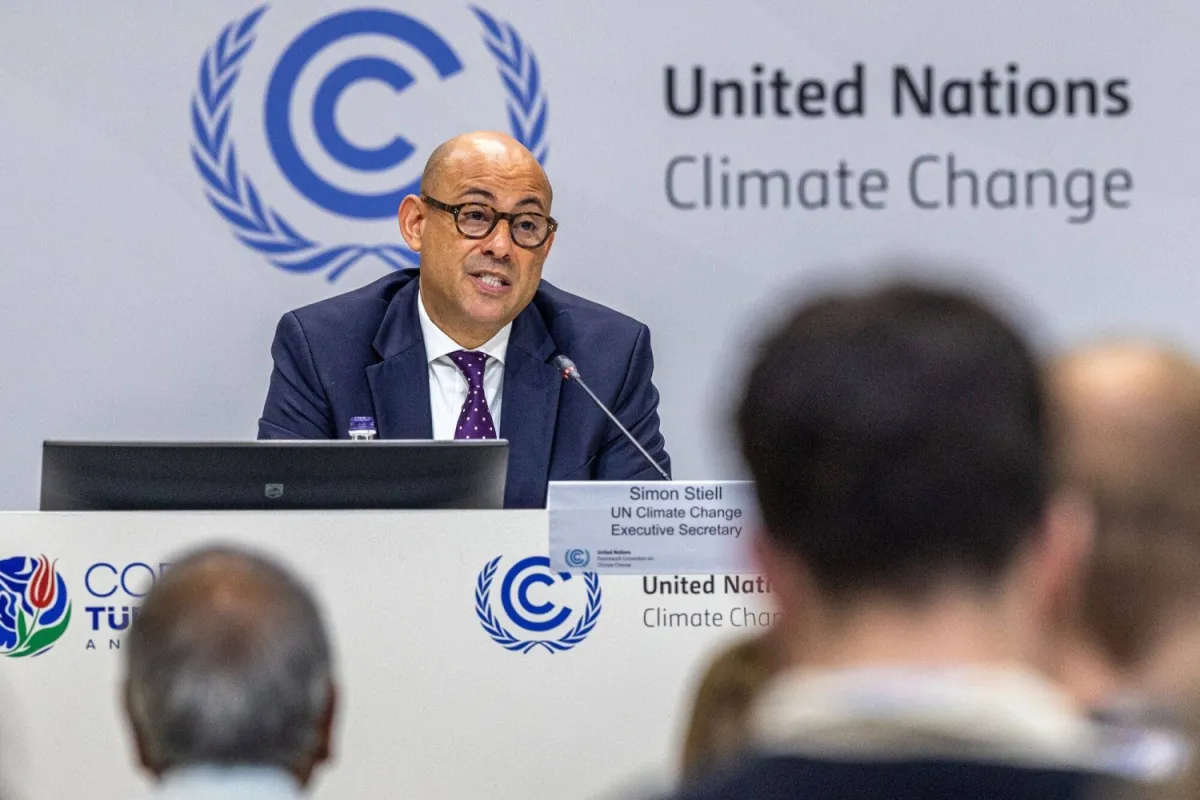
GLASGOW – The three largest economic and technological powers in the world, the United States, China, and the European Union, surprisingly failed to endorse a crucial pledge aimed at curbing the harmful environmental impact of artificial intelligence (AI) at the 2026 Conference of Parties (COP31) climate summit. This lack of consensus has sparked serious concerns among environmental advocates and the tech community, questioning global commitment to urgently mitigate the growing climate crisis.
This significant event unfolded amidst COP31, the annual UN forum that brings together world leaders to discuss climate action. The pledge, initiated by various stakeholders, was designed to encourage responsible AI development and usage, considering the massive energy consumption and carbon footprint generated by AI infrastructure, from data centers to complex model training processes.
The refusal by major blocs like the United States, China, and the European Union became a sharp focal point. These nations are both pioneers and the largest consumers of AI technology, making their support vital for the success of such initiatives. Their absence from the signatories significantly weakens the pledge's legitimacy and potential for global implementation.
According to data released during the conference, the pledge has so far garnered around 80 endorsements. However, a striking fact reveals that fewer than ten sovereign nations are among these supporters. The majority of endorsements have come from technology companies, civil society organizations, and research institutions.
This disparity between the number of non-state entity endorsements and the minimal governmental participation reflects a major challenge in achieving binding climate agreements, especially when it concerns the rapidly evolving technology sector. Governments appear to still be grappling with balancing technological innovation and environmental responsibility.
Yet, the need for sustainable AI is becoming increasingly urgent. Scientific reports indicate that global data centers have significantly contributed to greenhouse gas emissions, and the proliferation of AI applications is expected to worsen this situation without strong policies and regulations.
This failure at COP31 contrasts with previous efforts to establish ethical AI frameworks. For instance, there have been initiatives such as those discussed in an article on APEC's push for global AI ethics, where China even played a leading role. However, from ethics to practical climate impact mitigation, concrete steps remain slow.
Some analysts speculate that the reasons behind the major nations' reluctance may vary. There could be concerns about economic implications, potential hindrances to innovation, or even a preference for developing more flexible domestic regulatory frameworks rather than being bound by international agreements.
The environmental impact of AI is no longer a peripheral issue; it is central to modern climate discussions, stated a technology policy analyst who wished to remain anonymous. Without commitment from key players, all pledges are mere rhetoric.
This situation underscores that despite global awareness of climate change, translating it into collective action, especially in the high-tech sector, still faces complex political and economic obstacles. The future of AI sustainability and its impact on the planet now hinges on greater political will.
Editorial Insight:
The failure of the United States, China, and the European Union to endorse the AI climate impact mitigation pledge at COP31 2026 is not merely a technical setback but a stark warning signal. It indicates that while the narrative around sustainability and technological responsibility is gaining traction, economic and geopolitical interests often still dominate. Without genuine leadership from key players in the global technology landscape, efforts to make AI a tool for sustainable development, rather than an environmental burden, will continue to face an uphill battle. The world needs a long-term vision that transcends short-term interests to address this existential threat.