 Chandra Wijayanto
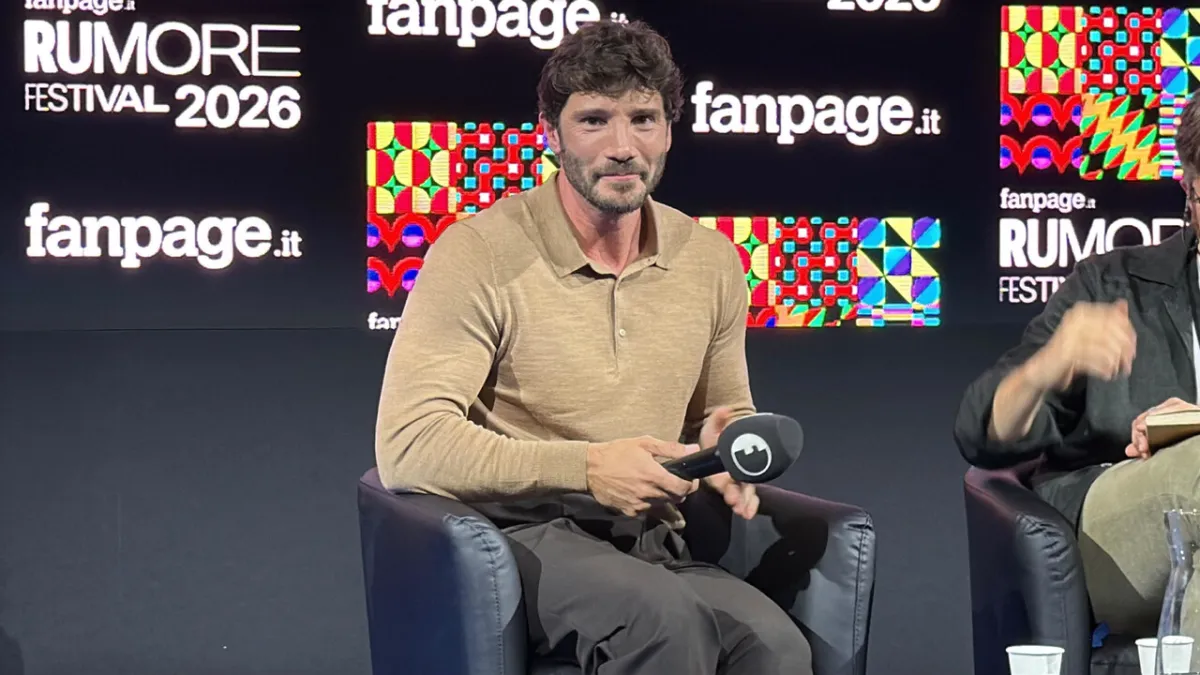
ROME – The artistic director of the Sanremo Festival 2026, De Martino, recently affirmed his commitment to presenting an inclusive and popular music event, free from political undertones. He conveyed this vision in response to speculation regarding the 'pre-electoral' nature of the festival, asserting that the Sanremo stage will remain open to all artists without exception, with full support from national broadcaster RAI.
De Martino explained that his primary inspiration comes from the legend of Italian television, Pippo Baudo, known for his ability to create festivals loved by various segments of society. He is determined to deliver a 'popular' festival rather than a 'populist' one, a subtle distinction that highlights the fundamental difference between art for the masses and political agitation.
The term 'popular' refers to universal appeal, reaching a wide audience through pure artistic quality and entertainment. In contrast, 'populist' is often associated with specific agendas or intentionally divisive rhetoric. De Martino wants Sanremo 2026 to be an oasis of art, where music speaks louder than political intrigues.
De Martino's acceptance of the offer to lead Sanremo 2026 was fueled by his conviction in RAI's full backing. 'I accepted because I felt RAI was united,' he stated. This internal solidarity forms a crucial foundation for him to realize a clear and integrated festival vision.
The Sanremo Festival, as one of Italy's most prominent cultural events, often intersects with social and political dynamics. However, De Martino aspires to restore the festival's essence as the primary platform for Italian music to shine, without becoming a mouthpiece for specific group interests.
Ahead of the grand event in 2026, the public awaits how De Martino will translate his vision into concrete programs. The selection of judges, competition format, and artist lineup will determine whether the festival can truly break free from political shadows and become as popular as he envisions.
The 'pre-electoral festival' context revealed by De Martino indicates that 2026 is a crucial period for the Italian political landscape. Although he strives for neutrality, the festival's existence amidst a heated political climate will undoubtedly pose a unique challenge. This brings to mind discussions about the need for a broad political alliance in Italy, as voiced by several figures. Ruffini Urges Grand Alliance in Italy, Calls for 'Third Name'.
Pippo Baudo, a Sanremo icon for many years, successfully created a balanced formula between mass entertainment and artistic value. De Martino seemingly wishes to emulate this path, avoiding the trap of instant popularity that often sacrifices quality and substance.
Realizing a festival 'open to all' amidst diverse expectations from audiences, critics, and sponsors is certainly no easy task. De Martino's success will be measured by his ability to maintain Sanremo's artistic relevance while still reaching the hearts of millions of viewers.
Thus, Sanremo 2026 under De Martino's leadership is hoped to be a turning point, reaffirming its status as a pure musical celebration, not merely a platform for other interests.
Editorial Insight: De Martino's statement regarding Sanremo 2026 is a strategic effort to mitigate the potential politicization of Italy's biggest cultural event. By explicitly rejecting the 'populist' label and embracing a 'popular' spirit à la Baudo, he aims to frame the festival as an independent entity focused on art. However, the real challenge lies in execution, given Italy's perennially dynamic political environment prone to co-opting any public platform. De Martino's success will set an important precedent for the future integrity of this esteemed festival.