 Dorry Archiles

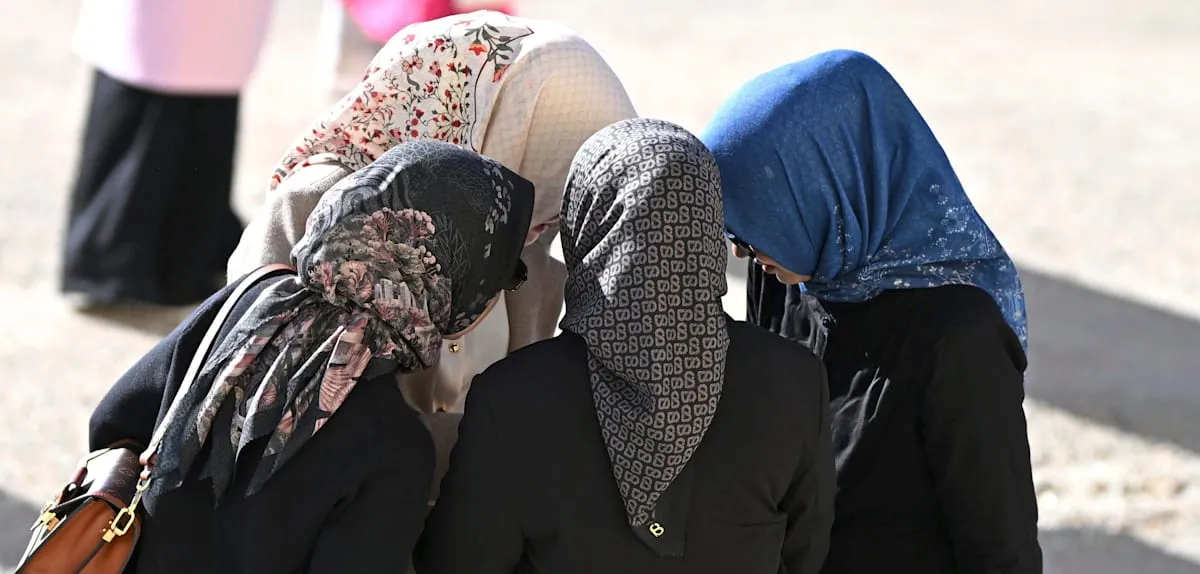
BERLIN – A panel discussion bringing together candidates from several prominent German political parties at the controversial Dar-Assalam Mosque in the capital recently escalated into a heated debate regarding the definition and boundaries of discussing Islamism and the life of the Muslim community. The incident highlights the tensions that continue to shadow efforts towards integration and freedom of expression on Germany's political stage.
The debate participants, including representatives from The Left (Linke), the Green Party (Grunen), the Social Democratic Party (SPD), and the Free Democratic Party (FDP), initially aimed to discuss various aspects related to the presence of Muslims in Germany. However, the atmosphere quickly became charged when an FDP candidate aggressively raised the issue of Islamism, prompting a sharp reaction from the event's moderator.
A crucial moment occurred when the FDP candidate, unnamed in initial reports, persistently linked the discussion of Muslim life with the threat of Islamism. The moderator, in an effort to maintain a constructive flow of discussion and avoid generalizations, sternly warned of potentially withdrawing speaking privileges if the provocative narrative continued.
The Left party, through its statements related to the event, explicitly emphasized the importance of separating discussions about Muslim life from the polemic of Islamism. One must be able to talk about Muslim life without always having to talk about Islamism, was the core message conveyed by the Linke representative, underscoring the need for nuance in public discourse.
This incident is not merely a reflection of differing political views but also exposes the fragility within the broader narrative of integration and multiculturalism in Germany. A discussion held in a mosque, often a symbol of community hubs, paradoxically became a stage for tension, revealing a chasm of understanding between political spectrums.
The Dar-Assalam Mosque itself has a controversial history. This location frequently becomes a focal point of public debate regarding extremism and coexistence. Choosing this venue for such a political debate was certainly not without risk, and the incident that transpired proved some parties' concerns.
While the FDP tends to adopt a tougher stance on the threat of extremism, parties like the Grunen and SPD often emphasize the importance of inclusivity and protection of minorities. These differing philosophies were clearly encapsulated in the dynamics of the debate in Berlin.
Similar tensions are not new in the German political landscape. Debates concerning the role of religion, immigrant integration, and the threat of extremism have repeatedly heated up public discourse. This situation underscores the challenge for politicians to navigate sensitive issues without causing further division. The Polemic of Banning AfD Rocks Germany: Democracy at a Crossroads? is one example of how discussions about the boundaries of free speech and potential extremism continue to be scrutinized.
This event at the Dar-Assalam Mosque will likely spark further discussion on how media and politicians should approach these crucial topics. Questions about fair representation for the Muslim community in Germany, as well as effective ways to combat Islamism without stigmatization, remain significant challenges.
Editorial Insight: This incident in Berlin is a microcosm of the larger dilemma facing Germany and many European nations in managing pluralism and security threats. Separating religious identity from extremist ideologies is imperative, yet the boundaries of dialogue are often blurred. The moderate approach emphasized by the moderator, to keep the discussion on track, is essentially an effort to protect democracy from damaging polarizing rhetoric. Failure to reach a consensus on this fundamental issue risks undermining social cohesion and deepening polarization.