 Angela Stefani
WASHINGTON – The United States Democratic Party, having successfully made history by securing dominant majorities in both the House of Representatives and the Senate in the 2026 legislative elections, now faces a paradox. The euphoria of their sweeping victory, celebrated at the internal What's Next Convention, is tempered by deep anxieties about sustaining this momentum and the potential for fleeting success. The convention's atmosphere became an arena of reflection, oscillating between jubilation and catharsis, where delegates grappled with the challenge of maintaining their political relevance in an ever-shifting landscape.
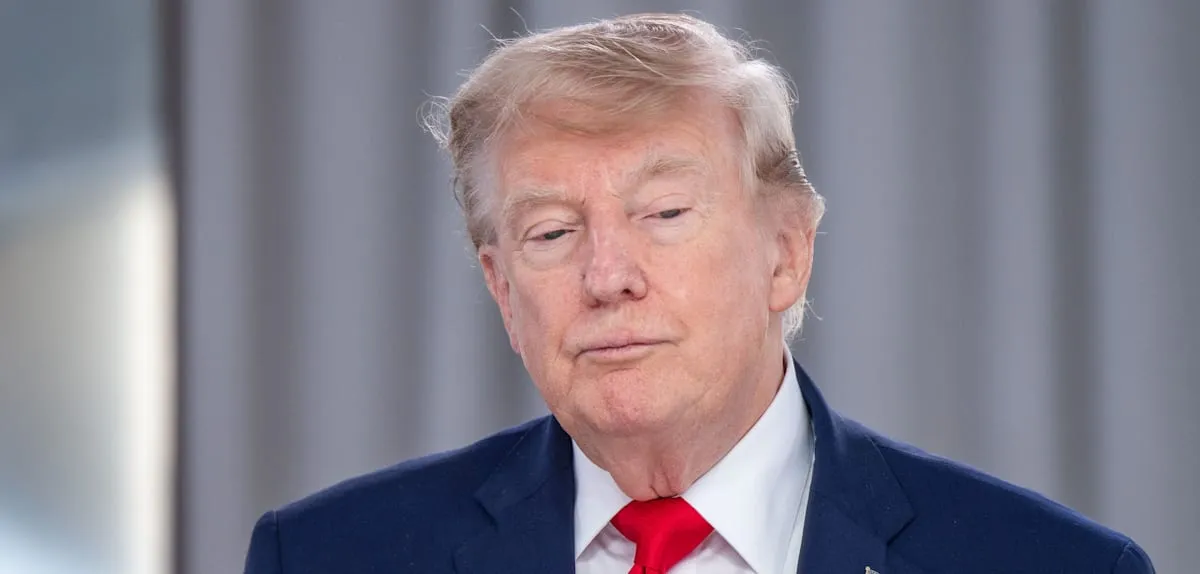
This victory is widely regarded as a public response to the policies of the incumbent administration. With President Donald Trump back in office, the Democratic dominance on Capitol Hill positions them as a crucial checks-and-balances force. However, a significant question arises: how can they capitalize on this victory into lasting legislative reforms, rather than merely a temporary rejection of the status quo?
Many political observers highlight that history is replete with examples of parties failing to leverage temporary waves of support. An internal party source, who requested anonymity, stated, It's not just about winning; it's about building a strong foundation for the decades to come. We cannot be complacent. This statement reflects the apprehension of a false triumph the party has experienced in the past.
The What's Next Convention served as a stage for intense debate regarding the party's strategic direction. Senior leaders urged internal unity, given the diverse ideological factions within the party. From progressives to moderates, all voices must be accommodated to prevent fragmentation that could weaken their legislative standing.
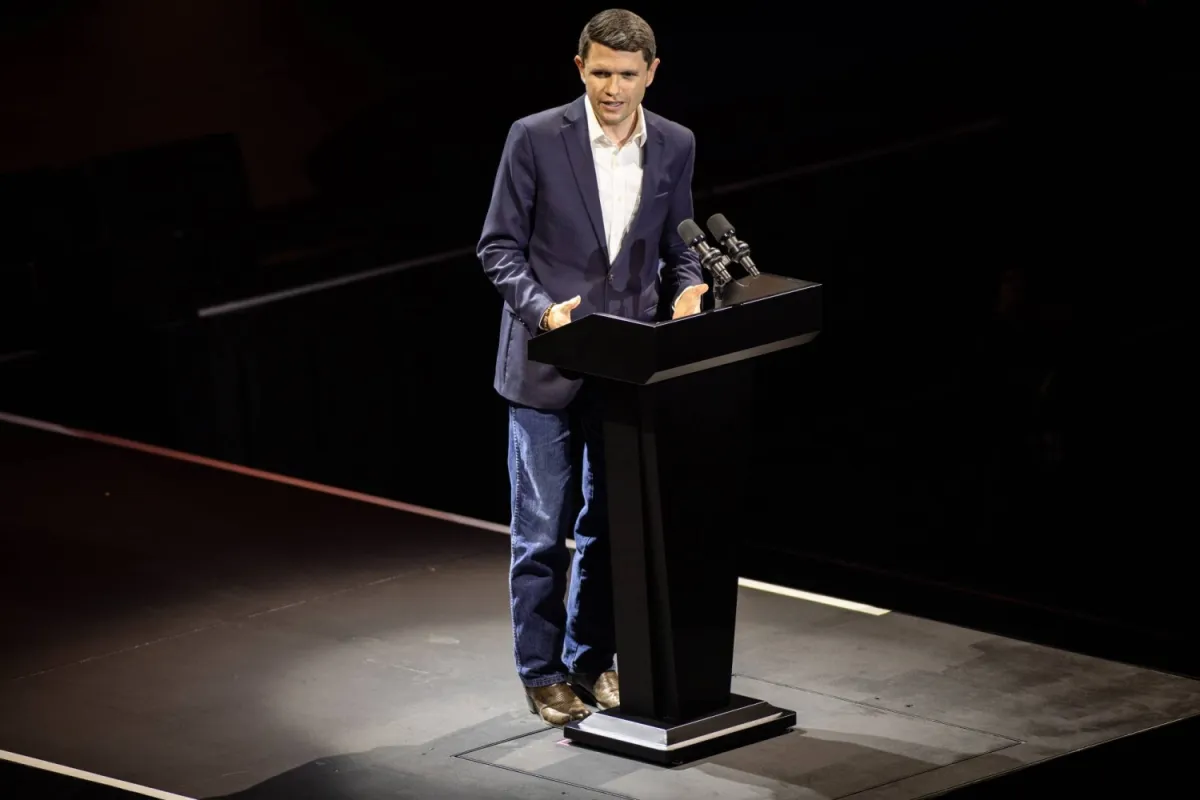
Veteran Senator Emily Rodriguez, in her impassioned speech, emphasized the importance of effective communication with voters. We must convey a clear message, explaining why this victory matters to the daily lives of everyday Americans, she stated, highlighting the need to address the most pressing economic and social issues.
Short-term strategy will focus on passing popular legislation and underscoring policy differences with the White House. However, a long-term perspective demands a more ambitious vision, one capable of responding to global challenges such as the digital economy and clean energy, which often take center stage.
Discussions on how to counter President Trump's agenda also dominated the proceedings. With Trump's leadership known for being provocative and unpredictable, Democrats must devise a careful strategy to exert pressure without descending into counterproductive confrontation. Complex geopolitical relations are also part of their calculations.
One proposal discussed was the formation of a special task force to monitor the implementation of enacted legislation and ensure government accountability. This proactive approach is expected to prevent the erosion of public support and maintain the party's credibility.
External political analysts offered varied insights. Dr. Anya Sharma, a professor of political science from Georgetown University, argued that Democrats are in a unique position. They have the opportunity to redefine what it means to be a governing party in this era of polarization, but the pressure to perform is also immense.
The concern over fleeting success is not limited to electoral dynamics but also encompasses the party's capacity to retain its supporter base. Political education and grassroots mobilization are crucial agendas to ensure voter participation remains high in upcoming elections.
The Democratic Party must also learn from past mistakes, where overly narrow focuses or internal divisions often thwarted their opportunities. Leadership consolidation and cohesive communication will be key to maintaining their winning momentum.
This conference underscored the reality that electoral victory is merely the first step. The journey to transform a win into stable and effective governance remains long and fraught with challenges.
Editorial Insight: The Democratic Party's decisive victory in the U.S. Congress in 2026 signals a strong shift in voter preferences following President Trump's leadership. However, the escalation of internal anxieties paradoxically demonstrates their political maturity; an awareness that the peak of triumph can be the beginning of a downfall if not managed wisely. The true challenge for Democrats is to translate this majority into relevant, concrete policies, while maintaining party cohesion in the face of experienced opposition political maneuvers. Their success will heavily depend on their ability to adapt, innovate, and communicate effectively with an increasingly demanding electoral base.