 Gabriella
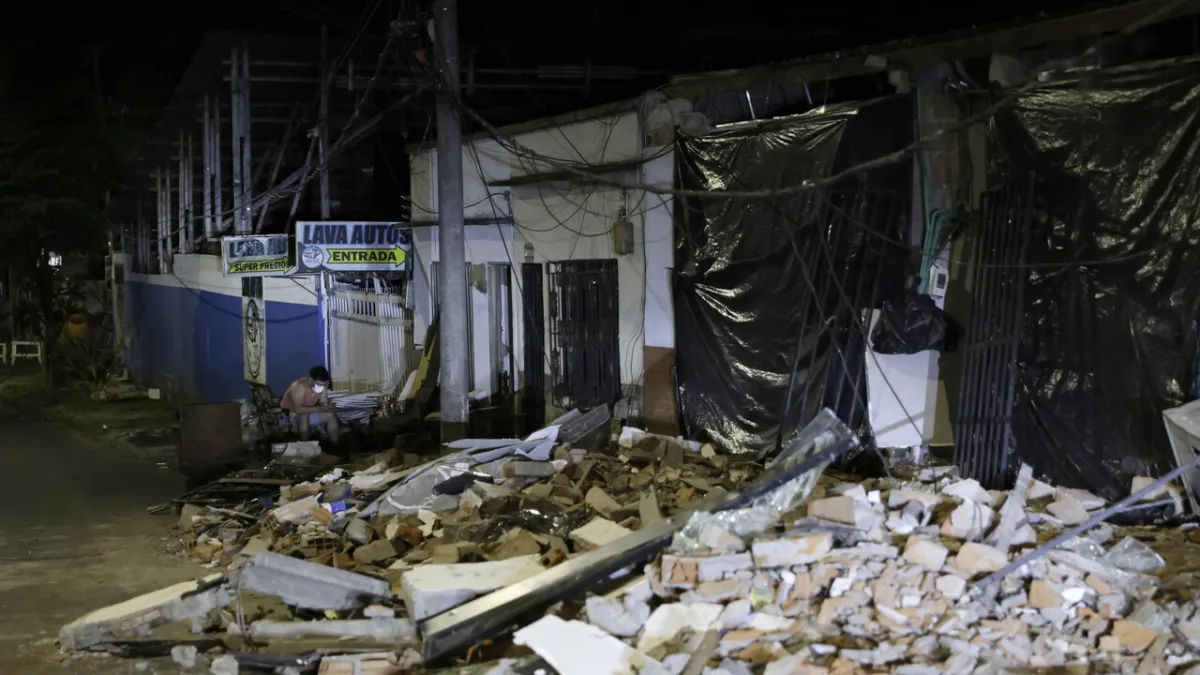
BOGOTA – A powerful earthquake struck several regions of Colombia in early 2026, claiming at least 132 lives and injuring more than 570 people. This natural disaster triggered a military curfew and the deployment of troops in Cali, one of the country's largest cities, while five other cities were placed on red alert status.
The seismic waves, which jolted residents in the early morning hours, caused significant infrastructure damage and widespread panic. Search and rescue teams were immediately deployed to search for victims under collapsed buildings. The primary focus of post-earthquake efforts is the evacuation and medical treatment of the injured.
In Cali, the decision to impose a curfew and deploy military personnel was made by local government to maintain order, prevent looting, and facilitate rescue operations. Main roads, usually bustling with activity, are now eerily quiet, save for the sirens of ambulances and emergency vehicles.
Five other cities now on red alert are closely monitoring the situation, preparing for potential aftershocks or further impacts. The government has urged residents in affected areas to remain vigilant and follow instructions from authorities.
The President of Colombia, in an emergency address, expressed deep condolences to the victims and their bereaved families. This is a national tragedy. We will deploy all resources to aid recovery and ensure the safety of our citizens, he stated during a live-streamed press conference.
Hospitals in the affected regions are overwhelmed, struggling to cope with the continuous influx of patients. Many victims suffered fractures, lacerations, and psychological trauma from the intense tremors. Medical personnel and volunteers are working tirelessly to provide first aid.
International humanitarian aid organizations have begun coordinating the delivery of emergency supplies, including food, clean water, shelter tents, and medicines. The global community demonstrates its solidarity with Colombia amidst this severe ordeal.
Colombia's geological history indeed records several significant earthquakes. Situated on the Pacific Ring of Fire, the country is susceptible to seismic activity. However, the scale and impact of this latest quake raise new concerns about disaster mitigation preparedness.
Both central and local governments now face enormous challenges in restoring normal life, rebuilding infrastructure, and providing psychosocial support to affected communities. The recovery process is expected to be lengthy and require collaboration from various stakeholders.
Long-term disaster mitigation efforts, including public education and improved earthquake-resistant building standards, become a crucial agenda following this event. Early preparedness can minimize future impacts.
Editorial Insight:
This devastating earthquake in Colombia highlights the region's vulnerability to natural disasters and the urgent need for adaptive mitigation readiness. The government's swift response in implementing military curfew in Cali, though its implementation needs monitoring, demonstrates a serious effort to maintain stability. However, the real challenge lies in ensuring a fair and equitable long-term recovery, as well as strengthening infrastructure and community capacity to face similar threats in the future. This event must serve as a reminder for all countries in earthquake-prone zones to remain vigilant in their preparations.