 Stefani Rindus
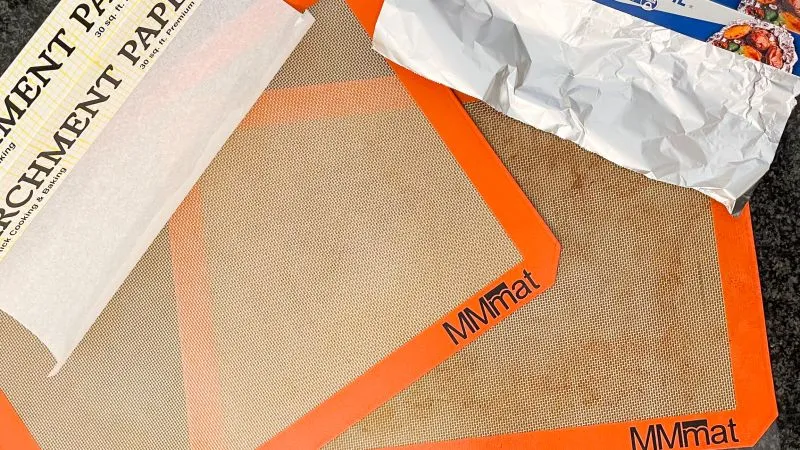
JAKARTA – Serious warnings from the global scientific and health communities have emerged regarding the use of aluminum foil in daily cooking and food storage activities. Recent studies highlight potential significant health risks due to the migration of aluminum particles into food, urging a shift away from this long-standing habit towards safer and more sustainable alternatives.
For decades, aluminum foil has been an indispensable part of modern kitchens due to its convenience and efficiency. However, experts now underscore latent dangers, particularly when aluminum is exposed to high heat or acidic food ingredients. These conditions accelerate the dissolution of metal particles that can accumulate in the body.
The World Health Organization (WHO) and several international food research institutions have issued recommendations to limit aluminum exposure from various sources, including food packaging. A study from Cairo University, for instance, showed increased aluminum levels in foods cooked or heated using foil, exceeding recommended safe limits.
Excessive cumulative aluminum consumption is linked to various health problems. Researchers point to potential neurological disorders, including an increased risk of dementia and Alzheimer disease. Furthermore, long-term exposure can also affect bone health, causing fragility, and impair kidney function in susceptible individuals.
Environmental aspects are also under scrutiny. Aluminum production is energy-intensive and generates a significant carbon footprint. While recyclable, the recycling process for aluminum foil is often inefficient due to food residue contamination, leading most of it to end up in landfills and polluting ecosystems.
Awareness of these dangers has driven changes in consumer behavior across various parts of the world. More individuals and restaurants are increasingly seeking food packaging solutions that are not only safe for health but also environmentally friendly. This shift is becoming a global trend fueled by education and the availability of alternatives.
Many innovative and traditional alternatives offer effective solutions without compromising food safety. This transition is not as complicated as imagined, given the multitude of material choices available on the market today.
One popular option is parchment paper. This material is heat-resistant, non-stick, and safe for use in ovens, microwaves, and for wrapping food. Parchment paper is generally silicone-coated, ensuring it does not release harmful substances into food, and can often be composted or recycled depending on the type.
Food-grade silicone products, such as baking mats or storage bags, are also excellent choices. Silicone is known for its resistance to extreme temperatures, flexibility, and reusability. It represents a long-term investment that reduces waste and exposure to chemicals.
For storage and cooking, glass and stainless steel containers are classic, unparalleled choices. Both are inert, meaning they do not react with food or release any substances. Glass containers are ideal for refrigerator storage or microwave heating, while stainless steel pots are excellent for cooking and baking.
Adopting these alternatives is a proactive step for our health and our planet, said Dr. Citra Dewi, a nutritionist from the National Food Research Center. Changing habits takes time, but the long-term benefits far outweigh the fleeting convenience offered by aluminum foil.
Food regulators in several developed countries are reviewing guidelines for aluminum use in food packaging. In the European Union, for example, there is a strong push for stricter regulations on metal migration limits from food contact materials, in line with increasing scientific evidence regarding its risks.
The shift towards more health-conscious and environmentally aware cooking practices is a natural evolution of public awareness. It is not just about avoiding one material, but about building a safer and more sustainable kitchen ecosystem for future generations.
Editorial Insight:
The paradigm shift away from aluminum foil usage reflects a broader global trend towards smarter and more responsible consumers. While aluminum foil offers convenience, its hidden costs to health and the environment warrant serious consideration. Governments and industry must collaborate to encourage innovation and education about safe alternatives, while also ensuring the availability and affordability of these products for the general public. Without clear policy intervention, this change might proceed slowly.