 Angela Stefani
PADANG – A powerful earthquake struck an Indonesian coastal region this morning, killing more than 30 people. The violent tremors triggered mass panic, prompting thousands of residents to evacuate rapidly after a tsunami warning was issued, leaving a harrowing scene in several locations.
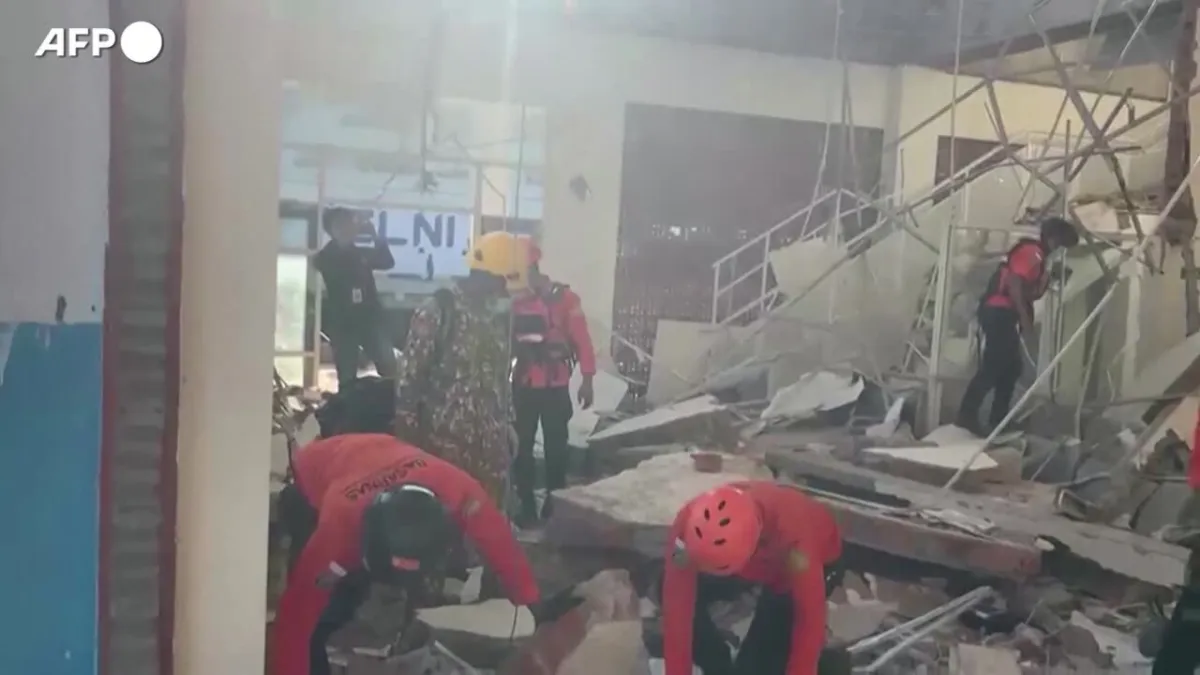
Rescue teams from various agencies are now racing against time, working tirelessly amid the debris to search for survivors who may still be trapped. Search and rescue operations are focused on the most severely affected areas, where buildings have collapsed and infrastructure has suffered extensive damage.
Initial data indicates that the majority of fatalities occurred in densely populated areas near the epicenter. Many victims died from being crushed by collapsing buildings, while others sustained serious injuries attempting to escape the shaking.
The Meteorology, Climatology, and Geophysics Agency (BMKG) promptly issued a tsunami warning following the earthquake, leading local authorities to order mandatory evacuations for residents living in coastal zones. Thousands of people flocked to main roads, seeking higher ground in hopes of avoiding potential tidal waves.
This panic is well-founded. Historically, Indonesia is a country highly vulnerable to earthquakes and tsunamis due to its location on the Pacific Ring of Fire. Past tragic events serve as crucial lessons on the importance of swift and coordinated responses.
President of the Republic of Indonesia, Prabowo Subianto, through his spokesperson, conveyed deep condolences for the disaster and ordered all government agencies to deploy maximum aid. The primary focus at this time is saving lives and assisting the victims, the spokesperson stated in an official press release.
Various hospitals and emergency health facilities have begun to be established around the disaster site to accommodate the injured. The need for medical aid, food, and temporary shelters is a top priority for thousands of displaced persons.
Indonesias complex geographical conditions demand a high level of preparedness. Each year, several regions experience earthquakes of varying intensities, reminding us of the nations vulnerability to natural phenomena.
Similar situations have occurred, as recorded in a 7.7 SR earthquake that once shook Indonesia some time ago, indicating a recurring pattern of threats. Disaster mitigation is key to minimizing impact.
Regulations and evacuation procedures have been repeatedly socialized, yet citizens' spontaneous responses are often dominated by panic instincts when disasters strike suddenly. Continuous education and regular simulations remain crucial to enhance public awareness.
Geological and seismological experts continue to monitor tectonic activity in the region to provide the latest information regarding potential aftershocks. Public vigilance is requested to remain high until the situation is declared completely safe.
Editorial Insight:
The recurring tragedies of earthquakes and tsunami threats in Indonesia underscore the urgent need to strengthen the national disaster mitigation system. Beyond prompt emergency response, investment in earthquake-resistant infrastructure, more advanced early warning systems, and massive, sustained public education are imperative. Without proactive and comprehensive measures, the loss of life and material damage will continue to be a heavy price this nation must pay every time the earth shakes.