 Dorry Archiles
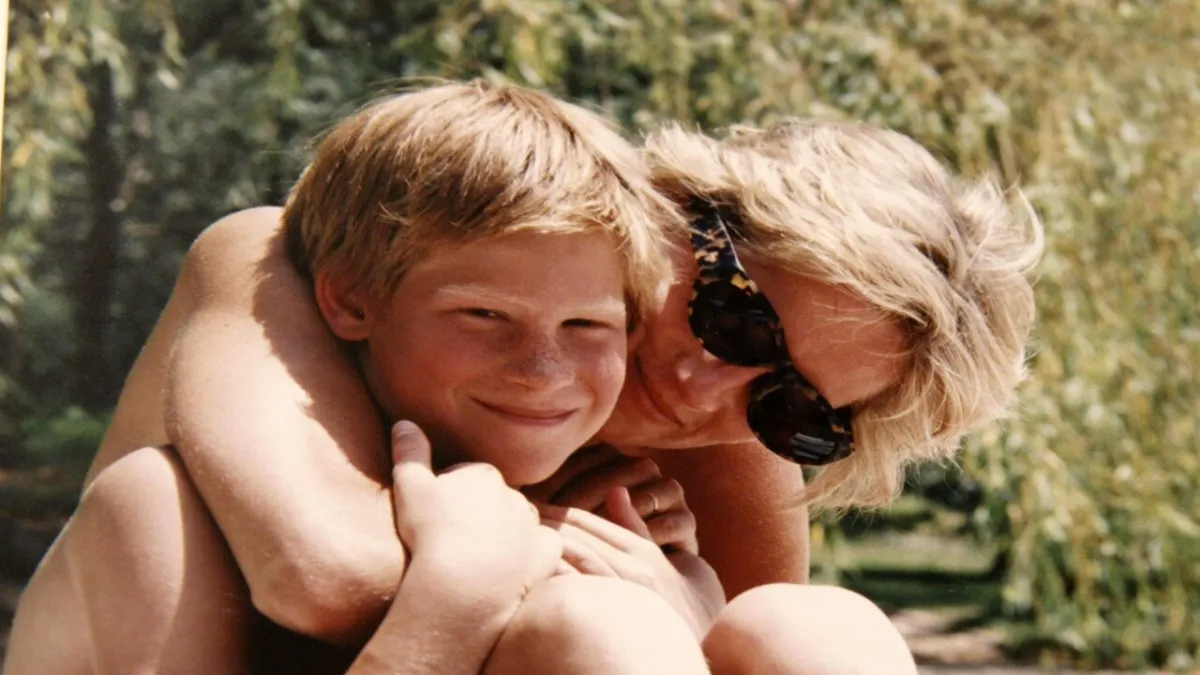
London, UK — Prince Harry, the Duke of Sussex, recently unequivocally stated his preference for a parenting model that prioritizes physical affection, an approach he claims is directly inspired by his late mother, Princess Diana. This statement, which garnered significant public attention, was delivered through an exclusive podcast released in mid-2026, marking a significant divergence in parenting philosophy from the rigid traditions of the British Royal Family.
During the podcast, Prince Harry emphasized the critical importance of hugs and affectionate touches as a crucial foundation for building strong emotional bonds between parents and children. “Children need to be hugged,” Prince Harry asserted, implicitly quoting a principle Princess Diana steadfastly upheld throughout her life. He explicitly revealed that his primary inspiration came from his childhood experiences with Diana, not from strict palace protocols.
This statement is not merely a personal reflection but an affirmation of the values he and his wife, Meghan Markle, the Duke and Duchess of Sussex, apply in raising Prince Archie and Princess Lilibet. This more open and expressive parenting model contrasts with traditional practices within monarchical circles, often perceived as more formal and emotionally reserved.
Princess Diana, during her lifetime, was known as a revolutionary figure in her approach to raising royal children. She actively sought to provide a more normal and warm life experience for Princes William and Harry, often breaking palace etiquette for the happiness and emotional development of her sons.
Through the podcast, Prince Harry seemingly revitalizes his mother's emotional legacy. He argued that warmth and physical closeness are essential for children's mental health and character development, an issue that is increasingly relevant in global mental health discussions in 2026.
This acknowledgment can also be interpreted as a subtle critique of the monarchical system, which sometimes appears to neglect the emotional dimension. Prince Harry and Meghan have been vocal about the challenges they faced as senior members of the Royal Family, including media pressure and limitations on personal freedom.
Princess Diana's parenting model has long been recognized as one of the most progressive aspects of her character. Her desire to break boundaries and interact directly with the public, including children, reflected her authentic and compassionate personality.
As modern parents, Prince Harry and Meghan strive to create a stable and loving environment for their children in California, away from the direct glare of Buckingham Palace. This approach aligns with parenting trends in many Western countries that increasingly highlight the importance of emotional attachment and parental responsiveness.
Prince Harry's step to openly discuss his parenting principles through a public platform like a podcast also demonstrates the adaptation of the Royal Family (or at least its estranged members) to new media. This allows them to communicate important messages without institutional filters.
This statement has not only sparked lively discussions among royal observers but also ignited broader conversations about the role of affection in modern families. Amid various global challenges faced by the younger generation, emphasizing strong emotional foundations becomes increasingly vital. Prince Harry seems to remind us that behind all titles and protocols, the essence of being a parent is to give unconditional love, starting with a hug.