 Stefani Rindus
BERLIN – Fuel prices across Europe have dramatically surged, exceeding 2.50 Euros per liter in 2026, triggering an energy crisis and intense political debate in Germany. Public concern over inflation and purchasing power has pushed policymakers to seek rapid solutions. In this context, the Social Democratic Party (SPD)'s proposal to implement a windfall tax on energy companies has become a central focus, while simultaneously drawing sharp criticism from various circles.
This price hike impacts not only individuals but also industrial and logistics sectors. Several economic analysts highlight that the surge in fuel prices is a complex consequence of global energy policies, geopolitical dynamics, and ambitious yet not fully mature green energy transition strategies. This situation places governments under immense pressure to formulate effective mitigation measures.
In response to this urgent situation, the SPD proposed a windfall tax scheme, arguing that energy companies are reaping extraordinary profits from unstable market conditions. This approach is intended to generate additional funds that could then be allocated to alleviate the burden on the public or support investments in renewable energy. However, the legitimacy and effectiveness of this proposal have become subjects of heated debate.
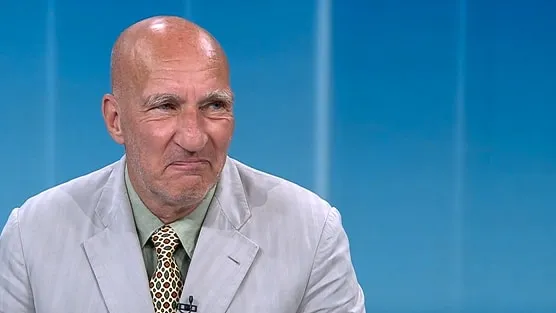
Christoph Lemmer, a renowned columnist known for his sharp economic analysis, openly criticized the SPD's proposal. In his writing, Lemmer asserted that the concept, initially based on climate protection, is now 'crashing against the wall'. He views the current implementation of a windfall tax as illogical and unlikely to achieve its intended goals, instead potentially exacerbating the situation.
According to Lemmer, imposing such a tax could hinder vital investments in energy infrastructure and innovation. Rather than fostering stability, this measure risks reducing production capacity and supply, which could ultimately worsen energy scarcity and maintain high prices. Lemmer argues that long-term, structural solutions are far more crucial than reactionary market interventions.
Criticism of the SPD's proposal extends beyond columnists. Several leading economists and representatives of industry associations have voiced similar concerns. They argue that a windfall tax could send negative signals to investors and lead to capital flight from Germany's energy sector, which is critically needed to achieve carbon neutrality targets. Opposition parties also question the proposal's alignment with free market economic principles.
Similar debates surrounding windfall taxes have unfolded in other European countries, such as Italy and Spain, in response to previous energy crises. Each nation attempted different approaches, with varied results. These experiences demonstrate that no single solution can be universally applied without considering local economic and political contexts.
German citizens are directly experiencing the impact of rising fuel prices. Transportation costs have increased, as have the prices of daily necessities heavily dependent on logistics. This situation erodes household purchasing power and fuels public demands for the government to act swiftly with more substantive and sustainable policies.
Some argue that the root of the problem lies in the imbalance between ambitious climate policies and the reality of energy supply. The transition from fossil fuels to renewable energy requires significant investment and considerable time. Continued high reliance on fossil energy amidst global supply reductions and geopolitical sanctions is a crucial factor behind the price surge.
As an alternative, some experts suggest that the government focus on diversifying energy sources, accelerating renewable energy development with clear incentives, and optimizing energy efficiency across various sectors. Referencing a related article, Germany in Turmoil: Left Party Urges 7.8 Million Rupiah Aid from Oil Tax, indicates that direct aid options for citizens are also a political consideration. However, such policies also require careful budget allocation.
Editorial Insight: The fuel price crisis in Europe, particularly Germany, highlights a complex dilemma between the urgency of climate protection and short-term economic stability. The SPD's windfall tax proposal, though well-intentioned, faces implementation challenges and substantial criticism. The German government under Chancellor Olaf Scholz must navigate this situation carefully, balancing the immediate needs of the public with the sustainability of energy investments, to ensure the green transition does not create insurmountable economic burdens. Comprehensive, long-term oriented solutions involving various sectors are critically needed to prevent climate policy from backfiring on the economy.