 Chandra Wijayanto
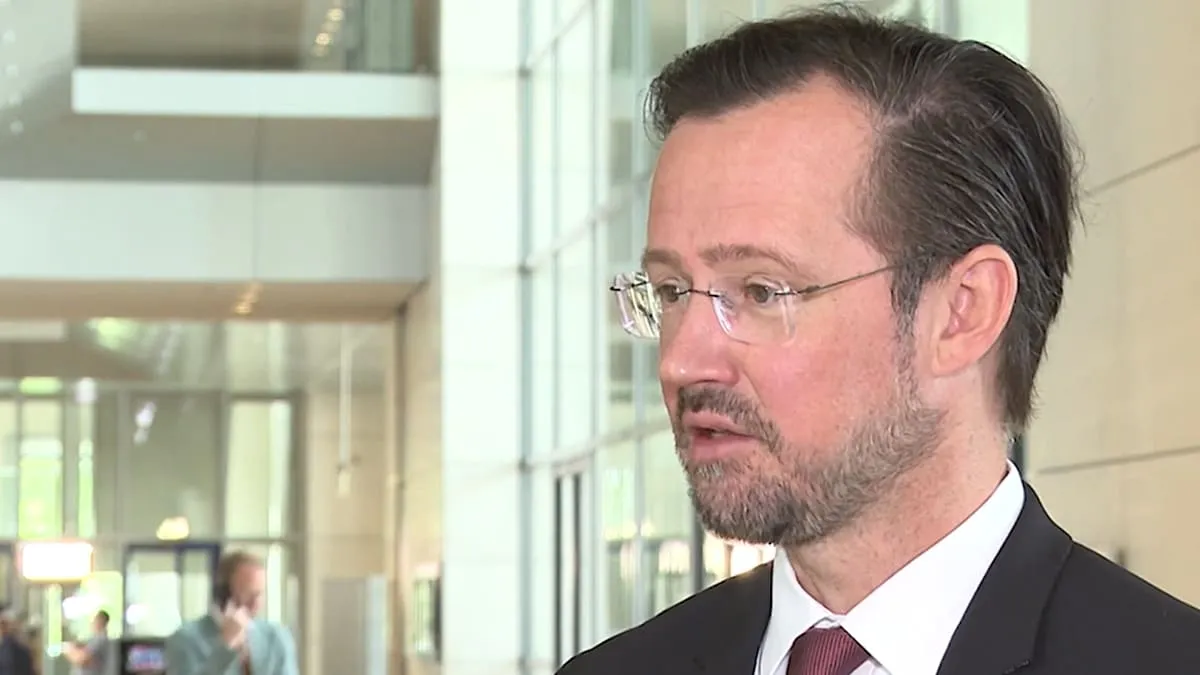
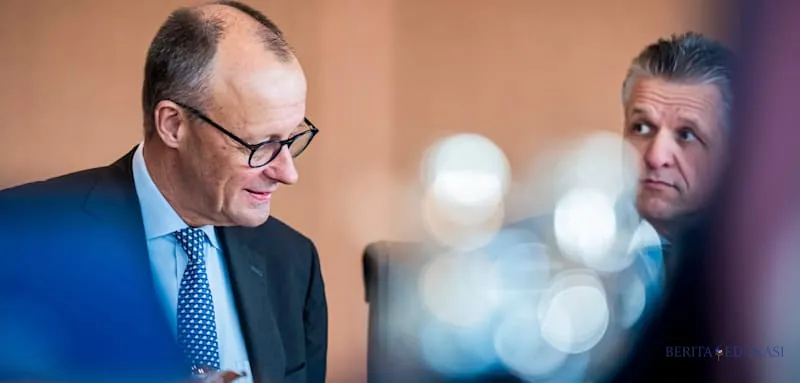
BERLIN — The German Federal Government, under the current Chancellor's leadership, has reportedly regained its momentum after a period of challenging decisions. This optimistic declaration came from senior Social Democratic Party (SPD) politician, Dirk Wiese, who publicly highlighted significant successes in handling the recent NATO Summit and managing the nation's crucial budget. This analysis was broadcast on WELT TV, underscoring the government's positive response to both domestic and international challenges.
Wiese, an influential figure within German political circles, emphatically stated, “This government has gotten on track.” His declaration dismissed any doubts that might have arisen from the various difficult policies implemented for national stability and international commitments.
The success at the NATO Summit, as cited by Wiese, refers to Germany's strengthened position within the transatlantic alliance and its contributions to global security issues. In 2026, NATO's agenda has become increasingly complex, focusing on collective defense, responses to cyber threats, and strengthening strategic partnerships.
Furthermore, performance in budgetary matters became a central point of attention. The German government has faced global economic pressure and increasing domestic needs. Managing the budget amid inflationary turmoil and global energy challenges is no easy task, but Wiese indicated that the government successfully navigated these difficulties judiciously.
While acknowledging that the decisions made were often difficult and required significant political compromises, Wiese remained optimistic about the direction the government has taken. This perspective reflects a belief that solid policy foundations have been established.
The statement from the SPD politician can also be seen as an effort to strengthen the image of the ruling coalition in the public eye, especially given internal political dynamics and various criticisms from the opposition. Stability and policy continuity are key narratives the government wishes to emphasize.
The global context in 2026 also shapes this narrative. Following the NATO Summit, geopolitical issues such as escalating tensions in various regions and threats to European stability have become a focus. Germany's success in maintaining internal and external consensus is considered crucial.
The German government, like many other developed nations, strives to balance economic growth demands with environmental sustainability and social welfare. The emphasis on being “on the right track” signifies confidence in the long-term strategies that have been designed.
For German citizens, such statements can offer a sense of optimism amid global uncertainty. Trust in the government's ability to manage crises and advance the national agenda is a crucial determinant of public support.
Thus, Dirk Wiese's perspective underscores that despite the government's challenging journey, achievements in international diplomacy and fiscal management provide a strong foundation for facing the future. The difficult decisions made are now beginning to bear fruit, positioning Germany more stably.
“It’s not about avoiding difficulties, but how we face them and seek constructive solutions,” Wiese added, emphasizing the government’s proactive work ethic. This statement reaffirms a commitment to problem-solving, rather than merely reactive responses.
European political dynamics and Germany’s role in NATO are also highlighted in other articles such as "Meloni Shakes NATO: Italy Urges New Priorities for Sustained Commitment 2026" which discusses shifting focuses within the alliance.