 Robert Andrison
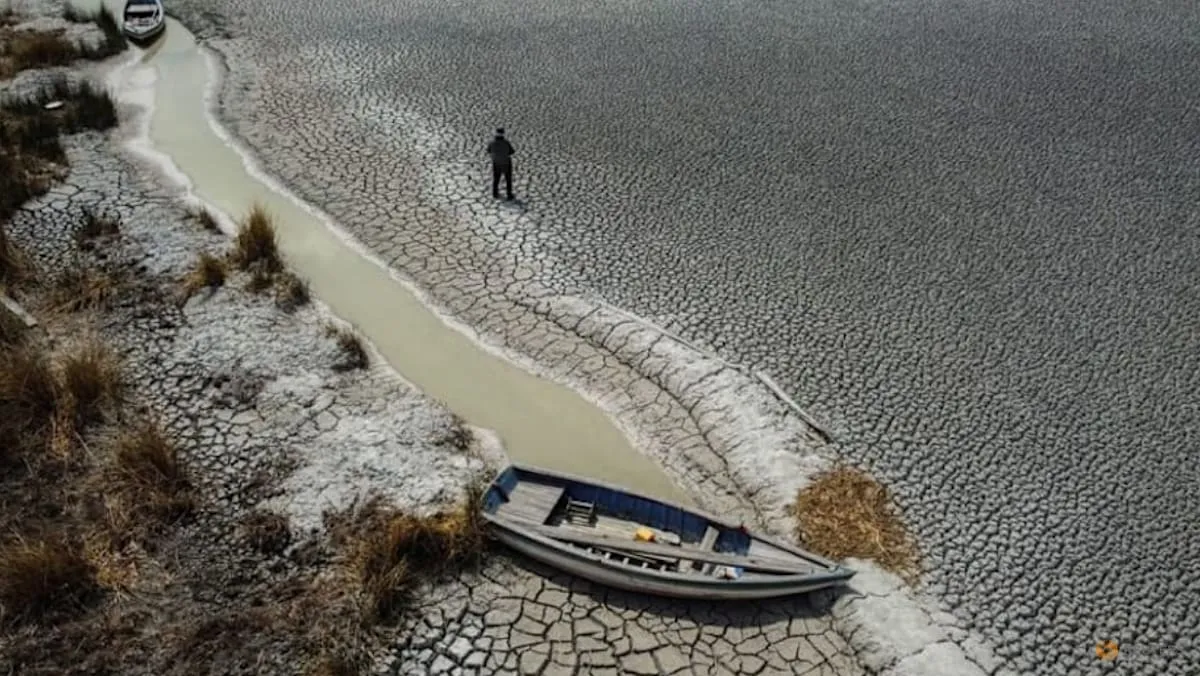
LA PAZ – The Bolivian government this week officially declared a national state of emergency following an extreme drought wave sweeping the country, triggered by the El Nino climate phenomenon. An official report released by the government revealed that this natural disaster has severely impacted approximately 78,000 families across six of the country's nine departments.
The declaration comes in response to a worsening water and food crisis, forcing authorities to take immediate mitigation measures. This severe drought not only threatens the agricultural sector, which forms the backbone of the local economy, but also creates social and economic vulnerabilities for rural communities.
The six most affected departments include regions that rely on rainfall for agriculture and drinking water supplies. This condition has led to crop failures, dwindling fresh water reserves, and livestock deaths, exacerbating the living conditions of residents.
El Nino, a natural climate pattern characterized by the warming of eastern Pacific Ocean waters, is known to frequently trigger extreme weather changes in various parts of the world. In Bolivia, its effects are manifested in significantly below-normal rainfall, creating barren landscapes and drying wells.
A government spokesperson, during a press conference in La Paz, stated that the emergency declaration allows for the allocation of emergency funds and the deployment of additional resources to assist affected communities. We are fully committed to protecting our citizens from the horrific impacts of this drought, the official remarked.
Relief efforts are focused on providing clean water through water tank distribution, constructing emergency boreholes, and delivering food aid to remote areas. Coordination between central and local governments is crucial in confronting the scale of this disaster.
Threats to food security are a pressing issue. Many farmers have lost their entire harvests, raising concerns about increasing rates of hunger and malnutrition, particularly among children and the elderly.
Local and international humanitarian organizations have also begun calling for global attention to the situation in Bolivia. They highlight the need for long-term support to build community resilience against increasingly unpredictable climate change.
Meteorological experts predict that the effects of El Nino will likely continue in the coming months, indicating that Bolivia will still face significant challenges regarding water supply and food production until the next rainy season. This demands thorough strategic planning.
Similar droughts have hit Bolivia in the past, but the intensity of this year's El Nino is said to be one of the worst in the last decade. Previous experiences serve as valuable lessons in formulating more effective response strategies.
Editorial Insight: The declaration of a state of emergency in Bolivia due to El Nino underscores the urgency of climate adaptation. The government must not only focus on short-term aid but also significant investment in water infrastructure and sustainable agriculture. International collaboration will be crucial to prevent the escalation of a humanitarian crisis and build long-term resilience for a country vulnerable to extreme climate impacts.