 Chris Robert
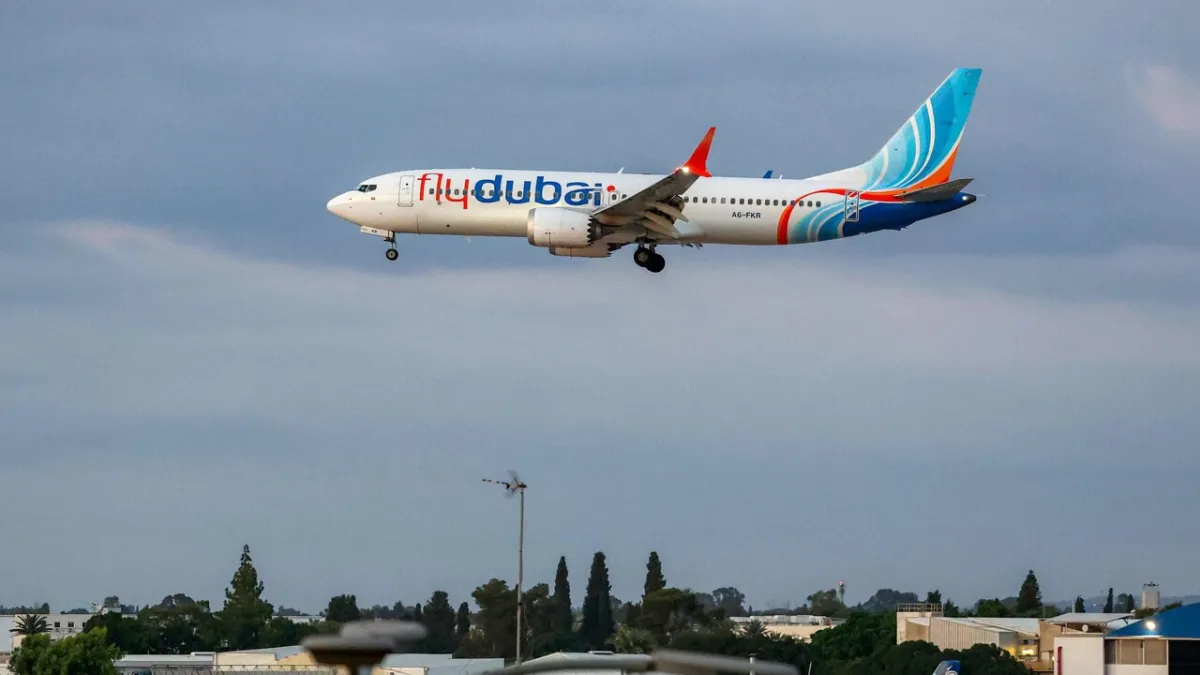
DUBAI – The Attorney General of the United Arab Emirates (UAE) in early 2026 announced a startling investigation. A Flydubai co-pilot is strongly suspected of planning a terrorist act on one of its civilian flights. This revelation has triggered serious alarms regarding global aviation security and regional stability, particularly for vital routes to Tel Aviv, Israel.
This malicious plot, had it succeeded, possessed the potential to cause catastrophic disaster with far-reaching consequences. Authorities did not detail the specific modus operandi planned by the co-pilot, but arrests and an in-depth investigation have been conducted to uncover any networks or motives behind it.
This incident tragically recalls a critical moment that once occurred on Flydubai. At that time, the swift action of a pilot in opening the cockpit successfully saved 170 lives from a threat. The revelation of this co-pilot's plot underscores the urgency of mitigating internal risks, ensuring that aviation heroes can continue to secure the skies from other threats.
UAE security authorities now face a significant challenge. Public trust in national airlines and flight crew screening procedures will be under intense scrutiny. Preventive measures have been tightened to prevent similar incidents from recurring, given the UAE's strategic position as a vital international aviation hub.
This disclosure also carries significant geopolitical implications. Flights between the UAE and Israel, which had just recovered post-pandemic and regional political dynamics, are once again shadowed by vulnerability. Initial reports indicate that following the incident, the first flight from a Middle Eastern country to Tel Aviv experienced substantial delays before eventually landing under strict security.
International aviation security analyst, Dr. Lena Khan from Global University, stated that this case is a stark warning to the entire industry. Internal threats, especially from individuals with deep access and knowledge of aviation systems, are a nightmare for any airline, she remarked. Psychological and ideological background checks for crew must be periodically and comprehensively re-evaluated.
The Flydubai management, through its spokesperson, affirmed their commitment to the safety of passengers and crew. They stated full cooperation with authorities in the investigation process and have taken decisive action against the individual concerned in accordance with applicable laws, with zero tolerance.
This case adds to a long list of incidents highlighting the complexity of aviation security in the modern era. With millions of passengers traveling daily, early detection of threats from within the system remains a top priority for security agencies worldwide, including international intelligence bodies.
The UAE government, through the Ministry of Interior, has formed a special task force to review all airport and airline security protocols. Collaboration with international intelligence has also been significantly increased to mitigate cross-border terrorism risks and ensure maximum protection for all air travelers.
This incident indirectly also affects the perception of stability in the Middle East region. The relations established between the UAE and Israel, for instance, although based on economics and diplomacy, are highly sensitive to security issues. Any incident involving flights to the region can trigger broader tensions and undermine peace progress.
With the unraveling of this plot, the message conveyed to the public is the importance of collective vigilance. Passengers are encouraged to report suspicious activities, while authorities pledge to continue investing in technology and intelligence to secure the skies and airports from any potential threat.
Editorial Insight: The revelation of a terror plot by a Flydubai co-pilot is a severe blow to the global aviation industry, serving as a sharp reminder that threats do not always come from external sources but can infiltrate trusted internal systems. This incident demands a comprehensive evaluation of crew screening and monitoring procedures worldwide, especially given the sensitivity of crucial international routes. Long-term consequences are not limited to the security sector but also risk eroding public trust and affecting the dynamics of diplomatic relations between countries in the region.