 Edward DP Situmorang
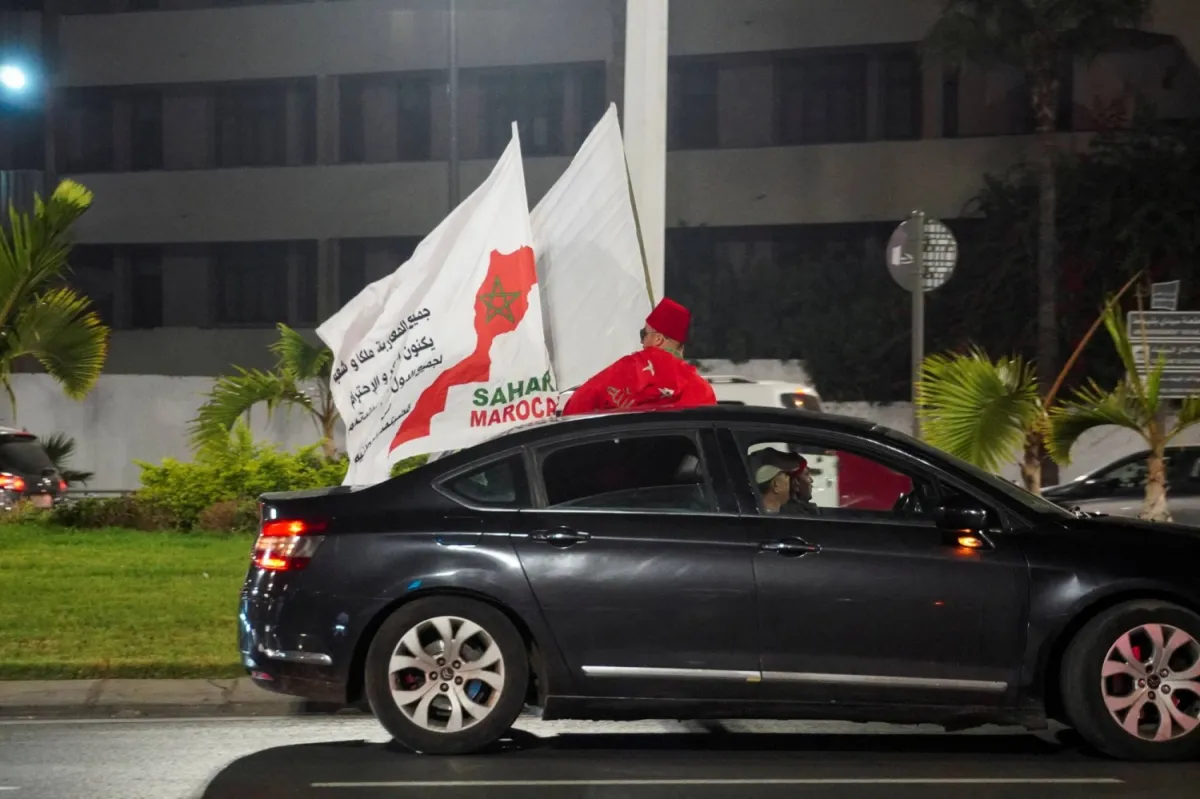
RABAT – The United Nations (UN) peacekeeping mission in Western Sahara officially concluded in 2026, triggering serious concerns about potential conflict escalation in the disputed territory. This decision fundamentally alters the geopolitical dynamics of a region that has been protected by an international presence for decades. Western Sahara, largely under Morocco's control, has been fiercely claimed by the Algeria-backed Polisario Front. The termination of the UN mission is feared to open a new chapter of instability, lacking mediators and on-the-ground monitors.
The conflict in Western Sahara has roots dating back to 1975, following Spain's withdrawal from the territory. Morocco claims sovereignty over Western Sahara, referring to it as its Southern Provinces, and proposes broad autonomy under its sovereignty. On the other hand, the Polisario Front, representing the indigenous Sahrawi people, demands self-determination through a referendum, an option supported by previous UN resolutions.
The UN Mission for the Referendum in Western Sahara (MINURSO) was established in 1991 to monitor the ceasefire and organize the said referendum. However, the referendum never took place due to fundamental disagreements between the two parties regarding the voter list and the final status of the territory. For over three decades, MINURSO played a crucial role in maintaining relative stability, despite frequent tensions.
The withdrawal of UN peacekeeping forces in 2026 marks the end of a significant era in the efforts to resolve this conflict. This decision, whose specific reasons are not yet fully transparent, is expected to leave a significant security and diplomatic vacuum. Without the presence of a neutral third party, the risk of armed clashes between Moroccan forces and Polisario Front units could sharply increase.
The Polisario Front has repeatedly declared its readiness to resume armed struggle if a just political solution is not achieved. Meanwhile, Morocco continues to strengthen its position in the territory it controls, through infrastructure investments and aggressive diplomacy to gain international recognition for its claims. Algeria, as the primary supporter of the Polisario Front, also expresses concern about potential destabilization on its southern border.
Several international observers have voiced deep apprehension. Dr. Helena Schmidt, a conflict expert from the University of London, stated, The termination of a UN mission without a concrete resolution framework is a recipe for disaster. This is a situation similar to the escalation of conflict in Yemen, where diplomatic vacuums often lead to widespread violence.
The regional implications of the mission's cessation also warrant consideration. The already tense Maghreb region between Algeria and Morocco could become even more polarized. Instability in Western Sahara has the potential to trigger new waves of refugees and worsen humanitarian conditions in the Sahrawi refugee camps in Tindouf, Algeria, which have existed for decades.
The international community now faces a major challenge. UN diplomats and member states must urgently seek alternative mechanisms to prevent violence and encourage constructive dialogue. Without this, the future of Western Sahara is threatened by an endless cycle of conflict, with undeniable humanitarian and geopolitical impacts.
The importance of a peaceful and sustainable solution remains a priority. Genuine dialogue between Morocco and the Polisario Front, supported by diplomatic pressure from global powers, is crucial to prevent this region from becoming another hotspot on the world's conflict map. The vacuum left by the UN must be promptly filled with new initiatives capable of bridging the fundamental differences between the two parties.
Despite the immense challenges, some parties still hope for a diplomatic breakthrough. The UN's efforts to find a mutually acceptable political solution continue, even without the presence of troops on the ground. Political experts advocate for a more flexible approach, perhaps through mediation by influential states or the establishment of new negotiation formats.
Editorial Insight:
The termination of the UN peacekeeping mission in Western Sahara is a high-risk move. It is not merely a troop withdrawal, but a strong signal that diplomatic efforts through old formats have reached a stalemate. With historical tensions and unresolved claims, the international community must intensify efforts to urge both parties back to the negotiating table. Without strong intervention, the region risks becoming a new arena of conflict, adding to the long list of global problems. Regional security and the fate of the Sahrawi population now hang in the balance.