 Debby Wijaya
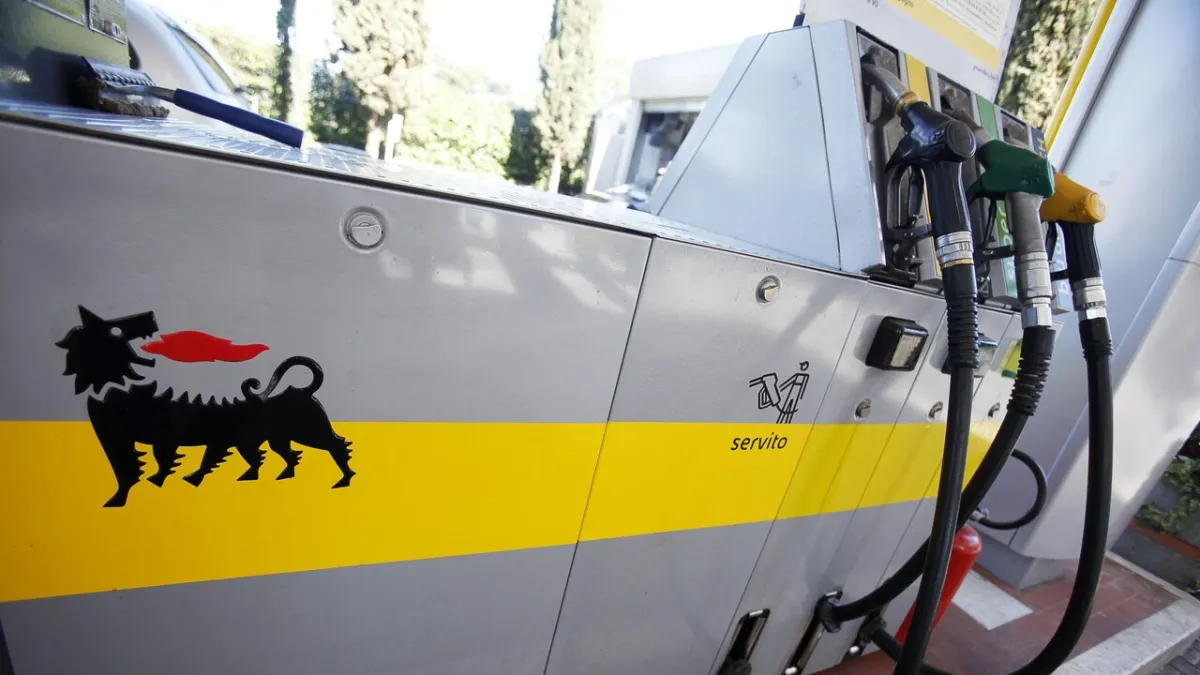
Rome – Italian energy giant Eni has surprisingly imposed maximum price caps for fuel across its network, effective September 28, 2026. This decision, setting diesel at 2.19 euros and petrol at 1.99 euros, has been warmly welcomed by the Italian government as a crucial step to stabilize strategic commodity prices amid global market volatility. The policy will run for 30 days and is potentially extendable until the end of 2026.
This initiative comes directly from Eni, a major player in the European energy sector, which is taking proactive steps to address fuel price volatility that has burdened consumers and the industrial sector. This price fixing is not a government intervention, but rather a strategic corporate decision aimed at preserving citizens' purchasing power.
Global energy price surges, driven by various geopolitical factors and fluctuating demand, have created significant inflationary pressure in many countries, including Italy. Eni's price capping policy is expected to alleviate the economic burden felt by the public and businesses, particularly the transportation sector.
The Italian government, through its spokesperson, expressed deep appreciation for Eni's corporate action. We welcome Eni's initiative. It demonstrates extraordinary corporate social responsibility and a commitment to the welfare of our citizens, the government's official statement read. This statement underscores that cooperation between the private sector and the government is key to overcoming complex economic challenges.
With clear price limits, consumers can now plan expenditures with greater certainty, reducing concerns about sudden price fluctuations. The transportation and logistics sectors, which heavily rely on fuel prices, are also predicted to gain better operational stability, preventing increases in goods distribution costs.
Although initially set for 30 days, the flexibility to extend until the end of 2026 indicates that both Eni and the government are closely monitoring market conditions. The decision to extend will heavily depend on global crude oil price dynamics and the constantly evolving domestic economic conditions in Italy.
Eni's move could spark further discussions among other energy companies, both in Italy and across Europe, regarding their role in price stabilization during times of crisis. This potential could lead to new models of collaboration between the private and public sectors in tackling future energy challenges.
A Roman citizen, Maria Rossi, expressed her relief. Petrol prices have been a heavy burden. This cap at least gives us a little breathing room, she said. Similar sentiments are likely shared by millions of motorists and small business owners throughout the Italian peninsula who have faced high operating costs.
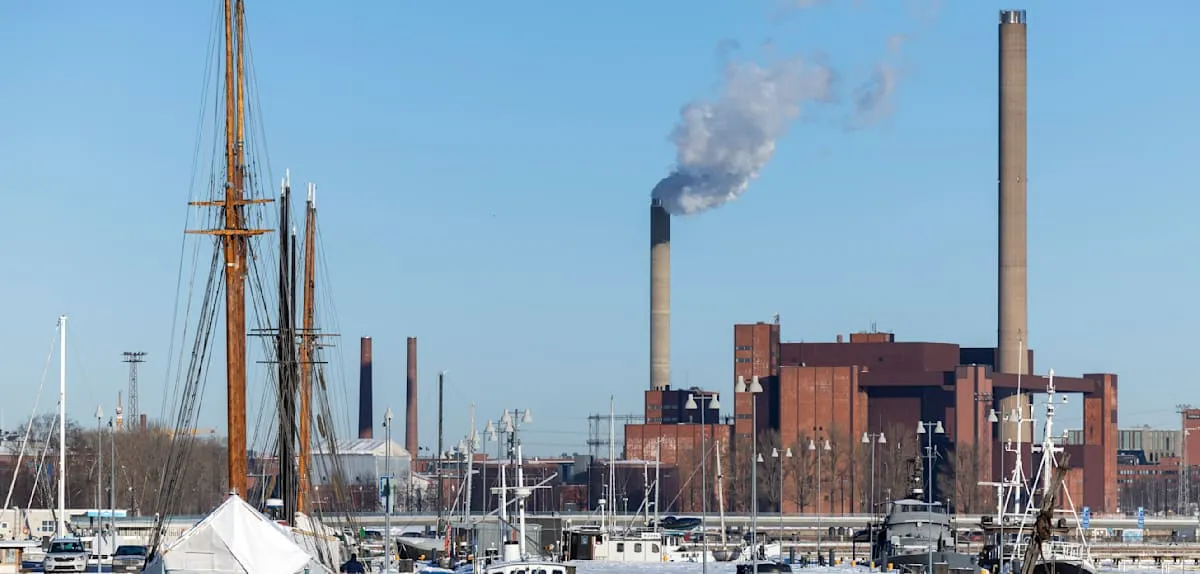
The Italian government is also continuously evaluating various long-term options for national energy security, including the possibility of exploring new technologies such as small modular nuclear reactors being pioneered by Finland, as reported in the article Finlandia Pelopori Reaktor Pemanas Nuklir: Solusi Energi Murah Eropa?. This demonstrates a serious commitment to sustainable energy solutions.
Editorial Insight: Eni's move to set fuel price caps in Italy is a bold and proactive corporate action, demonstrating an awareness of social responsibility amidst a global economic crisis. While a short-term solution, its impact on consumer confidence and inflation stability is noteworthy. This policy also highlights the strategic role of private companies in supporting government economic policies, while opening discussions on the boundaries of healthy market intervention without stifling competition. Moving forward, pressure on the energy sector will remain high, and collaborations of this kind may become more frequent.