 Dodi Irawan
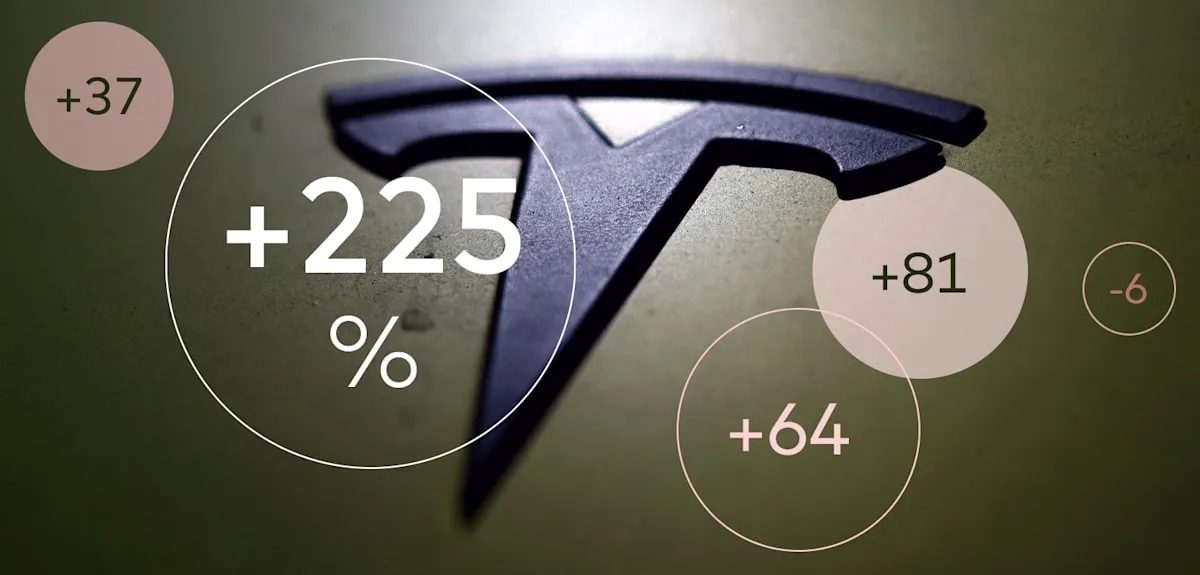
BERLIN — Germany's automotive market in 2026 is witnessing a striking phenomenon: consumers are buying electric cars in record numbers, the highest in history. Ironically, this significant surge is driven by a state-funded Elektroprämie (electric premium) subsidy scheme, but domestic manufacturers are not its primary beneficiaries. Instead of strengthening local industry, much of the public funds are flowing to foreign manufacturers, with Tesla believed to be one of the largest recipients.
Recent data indicates an extraordinary acceleration in electric vehicle adoption across Germany. The financial incentives offered by the federal government have proven effective in encouraging the public to transition from conventional internal combustion engine vehicles. Soaring sales figures reflect the success of the incentive program in stimulating energy transition within the transport sector.
However, beneath this narrative of success lies an economic paradox. Despite Germany being a global hub for automotive innovation, the largest share of financial benefits generated by this purchasing wave is being enjoyed by non-German brands. In-depth analysis suggests that brands like Tesla, with their strong production capacity and market appeal, have optimally leveraged this subsidy scheme.
The Elektroprämie subsidy was designed to accelerate electric vehicle penetration and meet the European Union's carbon emission targets. This scheme provides direct price reductions for buyers of new electric cars, whether produced domestically or imported. Its noble aim is to promote sustainability, but its implementation has sparked intense debate regarding its effectiveness for the national automotive industry.
Several German automotive industry experts express serious concerns. Professor Klaus Schmidt from the Berlin University of Economics stated, "A subsidy policy that is neutral towards the origin of production, while theoretically fair, in practice creates a competitive advantage for established foreign players with efficient global supply chains and massive economies of scale."
This situation places German car manufacturers, who are also investing heavily in electrification, in a difficult position. Although they also offer advanced electric models, the dominance of foreign brands in absorbing subsidies erodes market share and potential profits that should ideally be channeled back into national companies for reinvestment and further development.
The German government now faces pressure to re-evaluate this incentive program. Calls are emerging from various stakeholders, including labor unions and industry associations, for subsidies to focus more on domestic products or at least be designed with mechanisms that better support the growth and innovation of manufacturers within Germany.
One of the primary arguments is the importance of safeguarding domestic jobs and technological leadership. With a flood of foreign products benefiting from subsidies, there are concerns about the long-term impact on Germany's automotive production capacity and research & development (R&D).
Conversely, proponents of the current policy argue that global competition is inevitable. Limiting subsidies solely to domestic products could violate EU trade rules and hinder overall innovation. They also emphasize that the main goal is decarbonization, irrespective of the vehicle brand's origin.
However, the reality on the ground indicates the need for strategic adjustments. Observers predict that the debate surrounding the direction of Germany's energy and automotive industrial policies will intensify towards mid-2026, when a comprehensive evaluation of the Elektroprämie program is scheduled.
The future of electric car market dominance in Germany, as well as the fate of local manufacturers amidst the global electrification wave, heavily depends on the policy decisions that will be made. Tesla's success in establishing a foothold in the European market, supported by a solid charging infrastructure and a strong brand image, serves as a crucial case study for policymakers.
In conclusion, Germany's challenge is not merely how to maintain the competitiveness of its automotive industry, but also how to balance global environmental goals with national economic and employment interests. The year 2026 will be a critical determinant for the electrification roadmap in one of the world's industrial giants.